
Kakamega Forest National Reserve: Complete Travel Guide
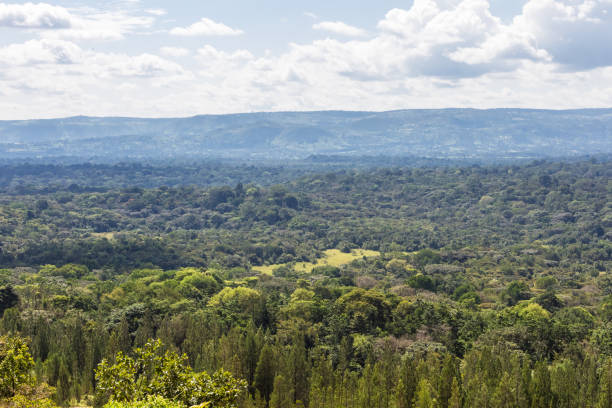
Kakamega Forest is Kenya’s only true tropical rainforest, the easternmost surviving fragment of the ancient Guineo-Congolian forest that once stretched across Central Africa. The wider forest and reserve system covers roughly 238 square kilometres across Kakamega, Vihiga and Nandi counties in western Kenya, of which Kakamega National Reserve itself, managed by Kenya Wildlife Service, accounts for about 45 square kilometres in the forest’s northern section.
A separate, larger portion to the south falls under Kenya Forest Service management, and together the two halves protect a habitat that looks, sounds and functions completely differently from anywhere else on Kenya’s safari map.
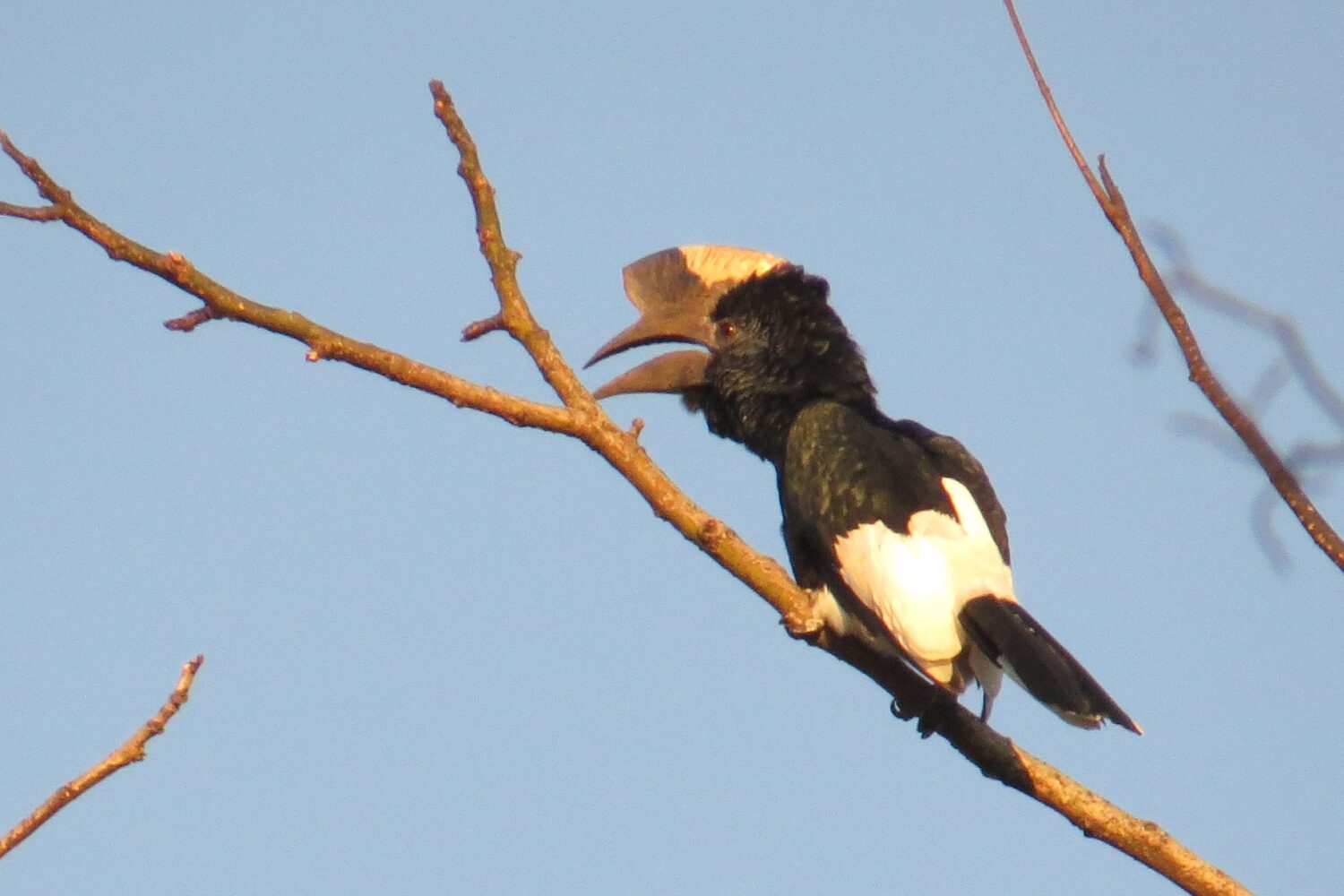
This is not a Big Five destination, and treating it as one would set you up for disappointment. What Kakamega offers instead is rare in a Kenyan context: dense primary rainforest canopy, over 360 recorded bird species, nearly 500 species of butterfly, and a primate community built around monkeys rather than the plains game found everywhere else in the country. This guide explains who this reserve suits, how to plan a visit, and what to expect from a landscape that operates on entirely different rules from the rest of Kenya’s parks.
Should You Visit Kakamega Forest?
Kakamega suits birders and butterfly enthusiasts more than almost any other destination in Kenya. With 367 recorded bird species, including at least nine found nowhere else in the country, and 489 butterfly species, this is a specialist’s reserve in the best sense, rewarding patience and a slower pace of travel over the drive-and-spot rhythm of a savannah safari.
It also suits travellers who want to break up a longer Kenya itinerary with something structurally different. If you’ve already spent several days on open plains watching lions and elephants, a day or two walking beneath rainforest canopy, listening for blue monkeys and tracking butterflies along a forest trail, offers a real change of rhythm rather than more of the same experience in a new location.
Where it suits people less is as a first and only Kenya destination, or as a quick stop for travellers expecting dramatic wildlife encounters on every outing. Sightings here require more patience than savannah game drives, and the appeal is cumulative rather than immediate, built from the accumulation of birdsong, canopy light and small discoveries rather than a single dramatic moment.
Why Kakamega Is Ecologically Unique
Most of Kenya’s protected areas sit within savannah, semi-arid bush or coastal ecosystems. Kakamega is the exception, a true rainforest remnant with closed canopy, dense understory and the humid, layered structure typical of Central African forest rather than anything found elsewhere in East Africa. Geologically and biologically, it represents the furthest eastern extension of the Guineo-Congolian forest system, which explains why so many of its species, plant and animal alike, have closer relatives in Uganda, the Democratic Republic of Congo and West Africa than in the rest of Kenya.
The primate community reflects this unusual biogeography. Blue monkeys and redtail monkeys are common sightings along the main trails, while De Brazza’s monkey, a striking species with a white beard and orange brow band, is more elusive and typically found in the Kisere Forest section to the north, usually requiring a guide who knows current troop locations. Potto, a slow-moving nocturnal primate related to bushbabies, round out a primate list that looks nothing like the baboon-and-vervet combination found across most of Kenya’s other parks.
Birdlife draws serious attention from international birding circles. The forest’s bird list includes species with ranges centred on Central Africa that reach their easternmost extent here, making Kakamega a real bucket-list stop for birders working through the Albertine Rift and Guineo-Congolian endemic lists rather than Kenya’s more commonly targeted savannah species.
Where Is Kakamega and How Do You Get There
Kakamega Forest sits in western Kenya, roughly six hours by road from Nairobi, with Kakamega town itself about 18 kilometres from the main forest station. The drive covers a meaningful change in landscape, from Nairobi’s highlands through the Rift Valley and into the greener, more densely populated agricultural country of western Kenya.
Flying considerably shortens the journey. Regular flights connect Nairobi to Kisumu, roughly an hour’s drive from the forest, or to Eldoret, a similar distance away. Most visitors arrange a pick-up or hire a car from either airport rather than attempting public transport connections, given the more rural road network in this part of the country.
Once inside the reserve, movement is on foot rather than by vehicle. This is a walking destination, and every main activity, from birding to primate tracking to butterfly spotting, happens on established forest trails with a guide rather than from a safari vehicle.
When to Visit: Seasons and Weather
| Season | Months | What to Expect | Best For |
| Driest period | December – February | Lower rainfall, easier trail walking conditions | General visits, comfortable hiking |
| Main rains | April – May | Heaviest rainfall of the year, trails can be muddy | Lush scenery, fewer visitors, lower rates |
| Prime birding window | June – August | Good bird activity and generally manageable conditions | Dedicated birding trips |
| Butterfly season | August – September | Peak butterfly diversity and activity | Butterfly enthusiasts and photographers |
| Secondary rains | August – September | A second rainfall peak overlapping with butterfly season | Flexible travellers comfortable with intermittent showers |
| Migratory bird season | November – April | Migratory species add to the resident bird list | Birders wanting the widest possible species count |
Temperatures stay relatively consistent year-round, generally between 20°C and 30°C, so weather planning here is really about rainfall and target wildlife rather than temperature. Early morning, between 6:30 and 8:30am, and late afternoon, from around 4:30 to 6:30pm, are consistently the best windows for bird activity regardless of season, so build your trail walks around these hours if birding is your priority.
How Much Does a Visit Cost
| Component | Typical Cost Range | Notes |
| Park entry (non-resident) | USD 20 – 30 per day | Confirm current Kenya Wildlife Service rates with your operator |
| Guided forest walk | USD 15 – 40 per person | Local guides from the community-run Kakamega Rainforest Tour Guides association |
| Accommodation (budget to mid-range) | USD 30 – 120 per night | Guesthouses and lodges in and around Kakamega town and the forest fringe |
| Rondo Retreat Centre | USD 100 – 200 per night | A colonial-era retreat house within the southern forest section, full board |
Kakamega is among the more affordable reserves in Kenya relative to its ecological significance, largely because its tourism infrastructure is modest and community-based rather than built around premium lodges. This makes it an accessible add-on for travellers conscious of budget who still want a markedly different kind of experience.
Where to Stay
Rondo Retreat Centre
Set within the forest’s southern section, this colonial-era retreat house remains the most atmospheric place to stay, with gardens that attract birdlife directly to the grounds and direct access to forest trails. It suits travellers who want to wake up inside the ecosystem rather than commuting in each day.
Kakamega Town Hotels and Guesthouses
A range of budget to mid-range options exist in Kakamega town itself, including Golf Hotel, Milimani Resort and several guesthouses, suited to travellers prioritising cost and flexibility over an immersive forest-edge stay.
Community-Run Cottages
Smaller, locally run cottages near the forest entrance, such as Isukuti Houses and Etana Cottage, offer a simpler, community-connected alternative, often bookable directly through the local tour guides association.
Camping
Designated campgrounds within the reserve allow visitors to stay close to the forest without the presence of large predators to worry about, a practical consideration that sets Kakamega apart from camping options in savannah reserves.
What to Do in Kakamega
Guided Forest Walks
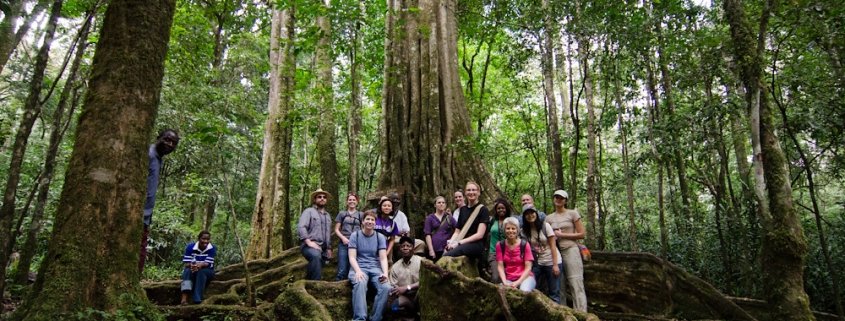
The core activity here, led by experienced local guides from the Kakamega Rainforest Tour Guides association, who know current wildlife activity, trail conditions and the best viewpoints across the forest’s network of marked paths.
Birdwatching
With 367 recorded species, this is one of Kenya’s premier birding destinations, particularly appealing to visitors chasing Central African forest species not found elsewhere in the country. A dedicated birding guide, rather than a general forest guide, is worth requesting if this is your main focus.
Primate Tracking
Blue and redtail monkeys are commonly encountered along the main trails, while a dedicated excursion to Kisere Forest in the north offers the best chance of seeing De Brazza’s monkey, a species that requires more deliberate planning to track down.
Butterfly Watching
Peak activity runs through August and September, when the forest’s nearly 500 recorded butterfly species are at their most visible, making this a specific, worthwhile reason to time a visit around these months if butterflies are a particular interest.
Village Visits and the Crying Stone
Local guided tours extend beyond the forest itself to include village visits and a stop at the Crying Stone of Ilesi along the Kakamega-Kisumu road, a natural rock formation with local cultural significance that adds context to the human history surrounding the forest.
The Two Sides of Kakamega: Buyangu and the Southern Forest
Understanding the reserve’s split management matters for planning. The northern section, centred on Buyangu, falls under Kenya Wildlife Service management and functions as the formally gazetted Kakamega National Reserve, with its own entry fee structure and ranger-led access points. The larger southern portion, including the area around Isecheno and Rondo Retreat, is managed instead by Kenya Forest Service, with a somewhat different fee and access system.
In practice, most visitors experience one section or the other depending on where they’re staying rather than touring both in a single trip, since the two areas sit a reasonable drive apart. If Rondo Retreat is your base, your trail walks will naturally centre on the southern forest; if you’re approaching from Kakamega town itself, Buyangu and the northern trails are the more convenient option. Either side delivers a real rainforest experience, so the choice comes down to logistics and accommodation preference rather than one side being meaningfully better than the other.
What Makes a Good Guide Here
Because so much of what Kakamega offers depends on spotting small, often well-camouflaged wildlife, bird calls and brief movement in dense canopy, the quality of your guide matters more here than in almost any savannah park, where open sightlines do some of the work for you.
The Kakamega Rainforest Tour Guides association trains and certifies local guides who grew up around the forest and typically know specific trees, fruiting seasons and recent sightings in granular detail that a generalist safari guide simply wouldn’t have.
If you have a specific interest, De Brazza’s monkey, a particular bird family, or peak butterfly activity, say so clearly when booking rather than assuming any available guide will cover it equally well. Specialist guides exist for exactly this reason, and matching your interest to the right person usually makes the difference between a pleasant walk and a trip highlight.
Who Kakamega Suits Best
| Traveller Type | Fit | Why |
| Dedicated birders | Excellent | One of Kenya’s richest bird lists, with Central African species found nowhere else in the country |
| Butterfly and insect enthusiasts | Excellent | Nearly 500 recorded species, peaking in August and September |
| Travellers wanting a change of pace mid-trip | Strong | A distinctly different ecosystem and rhythm compared with savannah safaris |
| Budget-conscious travellers | Strong | Modest costs relative to the ecological significance on offer |
| First-time safari travellers seeking Big Five sightings | Not recommended as a primary stop | Better suited as an add-on to a broader Kenya itinerary than a standalone destination |
Planning Your Visit
Kakamega rewards travellers who arrive with the right expectations: this is a forest experience built on patience, close observation and a slower pace, not a drive-through wildlife checklist. Build in enough time to actually walk the trails properly, favour the early morning and late afternoon windows for the best activity, and bring a guide who matches your specific interest, whether that’s birds, primates or butterflies.
Pack layered clothing for variable canopy shade and sudden showers, sturdy closed shoes rather than sandals, and a dry bag or rain cover for cameras and binoculars, since the forest’s humidity and rainfall patterns catch unprepared visitors off guard more often than any other single factor in planning.
If you’re trying to work out where Kakamega fits within a broader Kenya itinerary, or want help matching the right guide and timing to your interests, our team has helped plan trips through this exact region and can talk through what would work best for the rest of your schedule.


