Kenya Photo Safari
Kenya has produced more iconic wildlife photography than perhaps any other country in Africa, and much of that reputation traces back to a specific structural advantage most casual visitors never think to ask about: off-road driving privileges.
The ability to leave marked tracks and position a vehicle exactly where the light and animal behaviour demand it, available only in Kenya’s private conservancies rather than its public reserves, is the single biggest factor separating a good Kenya photo safari from an exceptional one. Photographers who have shot in both settings consistently describe the difference as immediately obvious within the first day of comparison.
This guide covers where Kenya’s best photographic opportunities actually exist, why the conservancy model matters so much for image quality specifically, the gear that earns its place in your bag, and how to time your trip around the migration, big cat behaviour, and Amboseli’s famous Kilimanjaro backdrop, so you arrive with a plan built around your actual photographic goals rather than a generic wildlife-viewing schedule.
Should You Prioritise Conservancies for Photography?
Short answer: yes, without much hesitation, since off-road driving access is the single feature of Kenya’s tourism model that most directly improves photographic outcomes, more than any lens or camera body upgrade.
The Maasai Mara National Reserve itself delivers extraordinary wildlife density, but its public status means vehicles must stay on marked tracks, and popular sightings can draw ten or more vehicles simultaneously, both compromising your composition options and making low, animal-eye-level angles genuinely difficult to achieve.
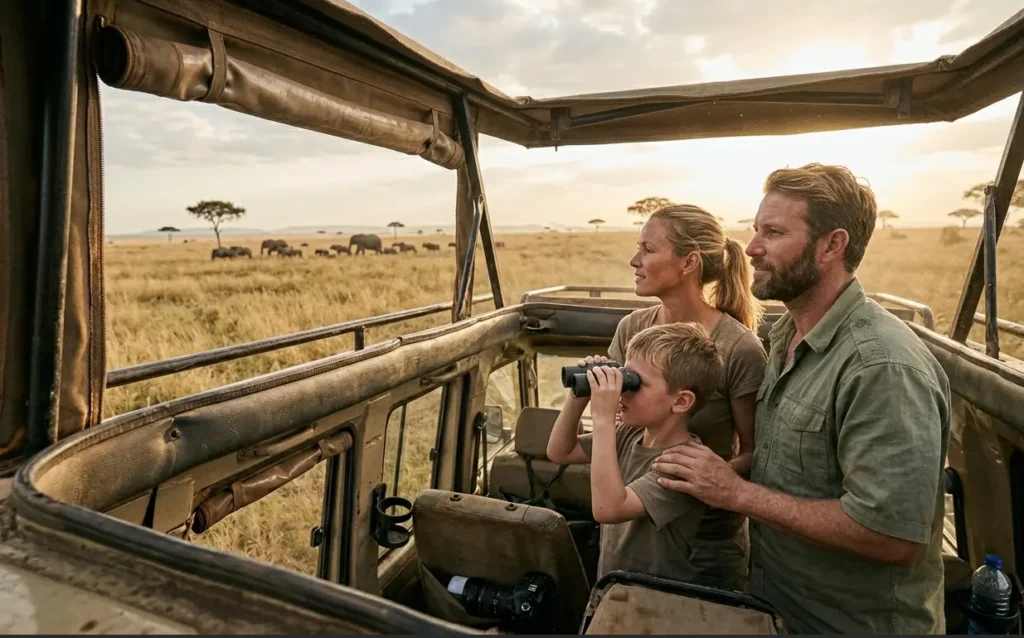
The private conservancies bordering the reserve, Naboisho, Mara North, Olare Motorogi among others, enforce strict per-sighting vehicle limits and permit off-road driving, letting your guide position the vehicle specifically for your shot rather than working around a dozen other vehicles’ sightlines.
This is not a marginal improvement; it is often the difference between a competent record shot and an image worth printing large.
Why Kenya Rewards Photographers Specifically
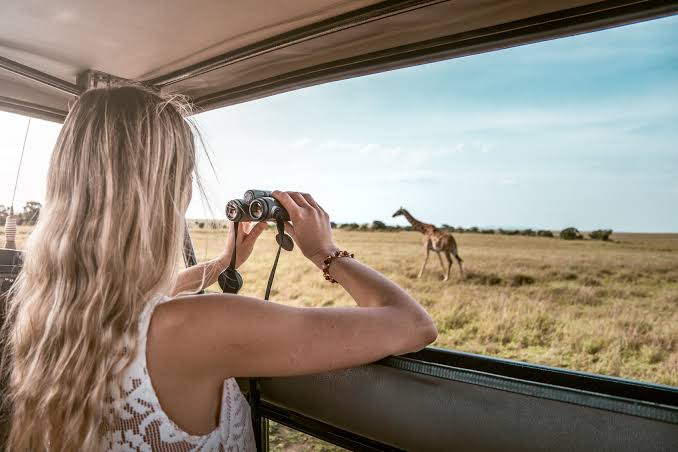
Three structural features make Kenya distinctive for photography beyond its wildlife density alone. Off-road driving access in the conservancies, already covered, is the most significant. Kenya’s guiding standard, formalised through rigorous professional qualification schemes, produces guides with genuine skill in anticipating animal behaviour and positioning vehicles for light and composition, not just locating wildlife.
And Kenya’s diverse regions, the Mara’s open plains, Amboseli’s wetlands framed by Kilimanjaro, and Samburu’s arid, striking landscape, offer genuinely different visual environments within a single, well-connected country.
Few safari destinations anywhere combine this range of terrain with such a mature, professionalized guiding culture.
Kenya’s Best Photographic Regions
| Region | Signature Photographic Subject | What Makes It Distinctive |
| Maasai Mara Conservancies | Big cats, migration river crossings | Off-road access and low vehicle density transform sighting quality |
| Amboseli National Park | Elephant herds with Mount Kilimanjaro backdrop | One of Africa’s most recognisable compositional backdrops |
| Samburu National Reserve | Species found nowhere further south (Grevy’s zebra, reticulated giraffe) | Distinct arid landscape and unique wildlife not available in the Mara |
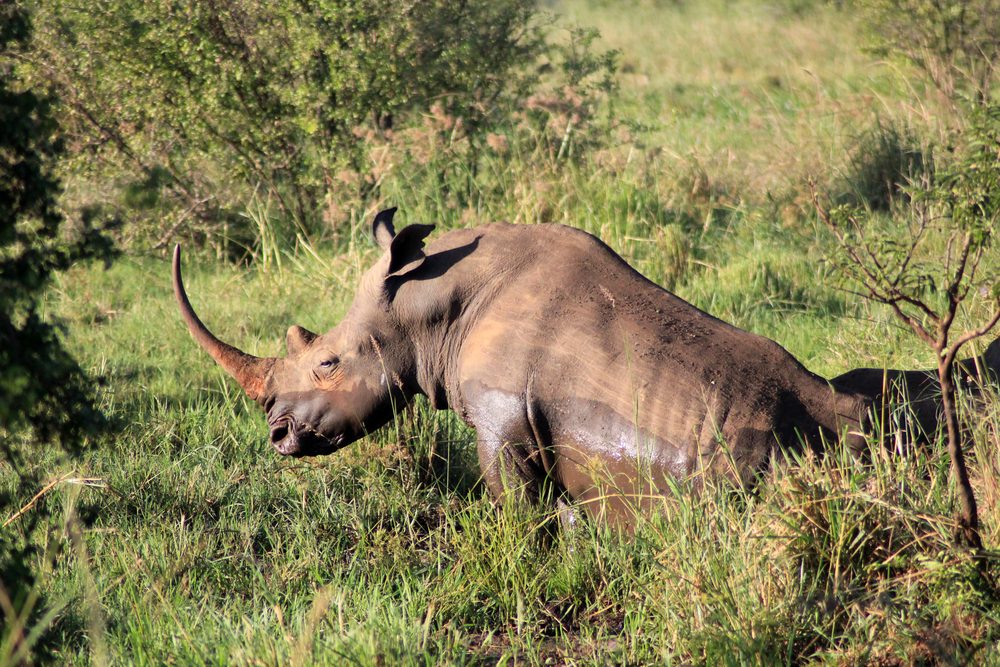
| Laikipia Plateau | Rhino conservation, varied landscape, night photography | Broader activity range including night drives, less crowded than the Mara |
| Lake Nakuru / Lake Bogoria | Flamingos and other significant birdlife | Dense, visually striking bird photography opportunities |
Photographing the Migration and Big Cats in the Mara
The Mara’s river crossings, typically July through October, offer some of the most dramatic action photography available anywhere in Africa, wildebeest and zebra leaping into crocodile-infested water in chaotic, high-stakes crossings.
Capturing this well requires fast shutter speeds, reliable continuous autofocus, and positioning on the correct side of the river relative to the sun’s direction, a detail an experienced local guide will manage but is worth understanding yourself when discussing your priorities with your operator.
Patience is as important as gear here, since a promising crossing point can sit quiet for hours before the herd commits, and being ready in position matters more than constantly repositioning in search of action.
Practical implication: the Mara’s big cat photography, particularly its famous, well-studied lion prides and leopards, benefits enormously from a guide who knows specific individual animals’ territories and habits, which is another argument for a conservancy-based, dedicated private guide over a shared-vehicle public reserve visit.
Photographing Amboseli’s Elephants and Kilimanjaro
Amboseli’s combination of large, easily observed elephant herds and an open plain with Mount Kilimanjaro rising directly behind them creates one of Africa’s most recognizable compositional setups, though it comes with a specific timing requirement: Kilimanjaro is frequently obscured by cloud, especially in the afternoon, and the clearest views typically occur in the early morning before cloud builds up through the day.
Patience matters here too; even on a promising morning, cloud can shift unpredictably, and allowing extra time at a good vantage point rather than rushing to the next sighting often pays off.
Practical implication: schedule your most important Amboseli game drives for early morning specifically if the Kilimanjaro backdrop shot matters to you, since afternoon sessions carry a real risk of a cloud-obscured mountain.
Gear Recommendations for Kenya’s Varied Terrain
| Gear | Recommendation | Why |
| Primary lens | 100-400mm or 200-500mm telephoto zoom | Versatile across both close conservancy sightings and more distant Mara plains subjects |
| Wide lens | 24-70mm | Environmental context shots, especially valuable for Amboseli’s Kilimanjaro backdrop compositions |
| Support | Bean bag for vehicle mounting | More practical than a tripod for the vehicle-based shooting that dominates a Kenya safari |
| Extra bodies | A second camera body if available | Avoids lens-swapping delays during fast-moving action like river crossings |
| Night photography gear | A fast wide-angle lens (f/2.8 or faster) | Supports both night game drives in Laikipia and general low-light dusk photography |
Composition Tips by Region
- Maasai Mara: shoot low, at or near eye level with your subject, whenever the vehicle position allows, since this perspective consistently produces more intimate, engaging big cat images than a standard elevated vehicle-seat angle. Ask your guide about opening a pop-up roof hatch fully or shooting from a lowered window rather than always framing from the highest available vantage point.
- Amboseli: include the mountain deliberately rather than cropping tight on elephants alone; the juxtaposition of scale between animal and mountain is the entire point of the composition.
- Samburu: use the distinct reddish soil and arid vegetation as a compositional element in its own right, rather than treating it as simply a backdrop to be minimised.
- Laikipia night drives: work with your guide’s spotlight positioning rather than fighting it, since red-filtered lights used for nocturnal species viewing require a different white balance approach than daylight game drives.
Photographic Hides and Specialist Setups
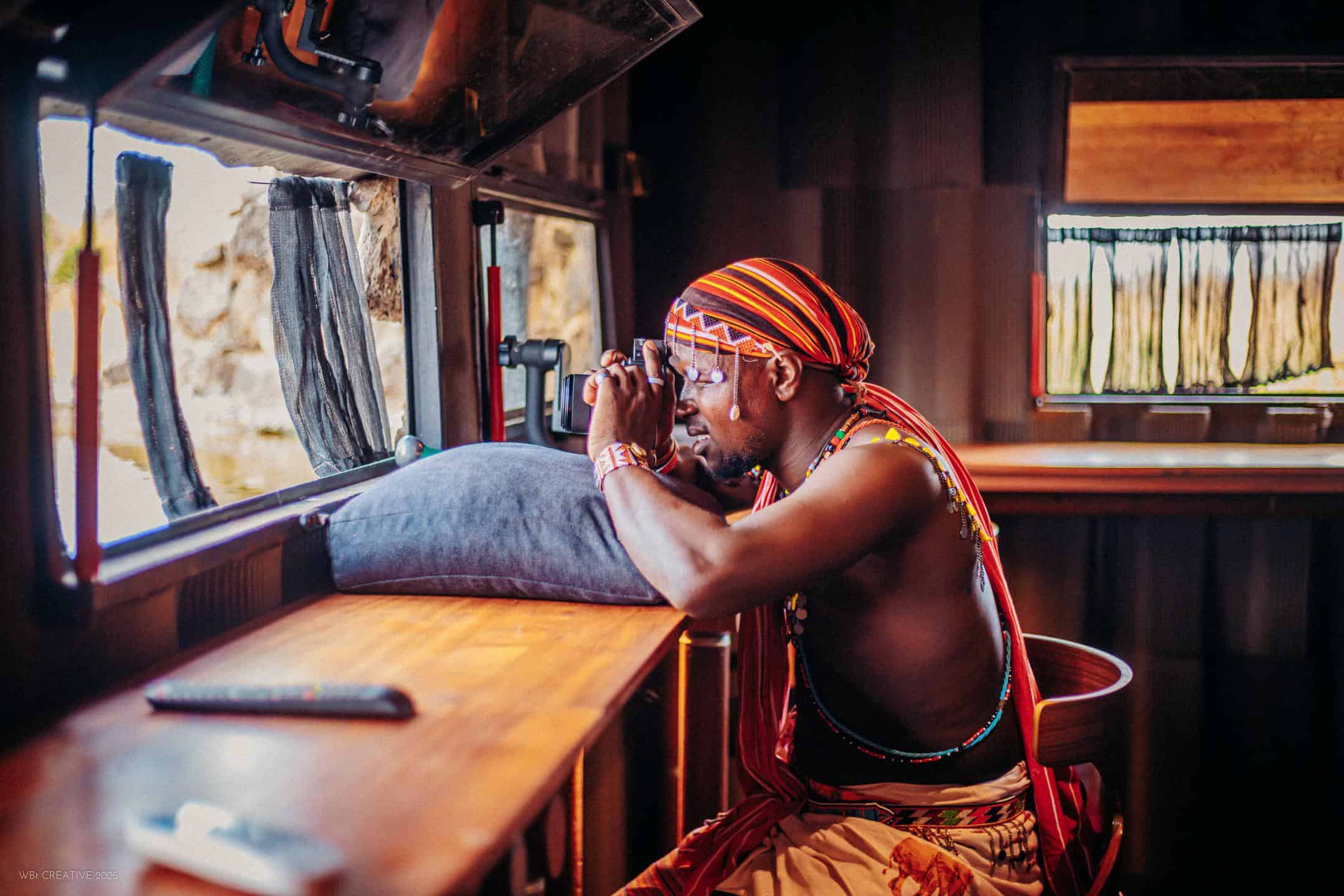
A small but growing number of Kenyan conservancies now offer dedicated photographic hides, low, camouflaged, ground-level structures positioned at waterholes or known wildlife crossing points, giving photographers a genuinely different vantage point from the standard elevated vehicle seat.
Shooting from a hide at water level produces a dramatically different, more intimate perspective than any vehicle-based image, particularly for capturing reflections and animal behaviour at a waterhole during the dry season when wildlife concentrates predictably around remaining water sources.
Sessions in a well-positioned hide during the driest months can deliver an unusually high volume of species visits within a single sitting, since animals have fewer alternative water sources to choose from.
Practical implication: ask specifically whether your chosen conservancy offers hide access, since this is not universally available and is usually a bookable add-on rather than a standard inclusion.
Who a Kenya Photo Safari Suits
| Traveller Type | Fit | Reasoning |
| Serious wildlife photographers | Strong fit | Conservancy access and professional guiding deliver genuinely superior technical conditions |
| First-time safari photographers | Strong fit | High wildlife density and skilled guiding make for a supportive learning environment |
| Photographers focused specifically on big cats | Strong fit | The Mara’s well-studied, individually known prides offer unmatched predictability and access |
| Landscape and cultural photographers | Moderate to strong fit | Amboseli and Samburu offer striking scenery beyond wildlife, alongside Maasai and Samburu cultural photography opportunities |
| Budget-conscious photographers | Moderate fit | Conservancy access carries a genuine cost premium over public reserve visits |
Field Workflow for a Multi-Region Trip
A Kenya photography trip moving between conservancies generates a substantial number of images across genuinely different lighting and terrain conditions, and a consistent nightly routine protects your work.
Back up memory cards each evening, review your strongest images from the day while the specific light and behaviour context is fresh, and clean lenses regularly given the dust exposure common on Mara and Samburu game drives.
This routine becomes particularly valuable during migration season, when shooting volume increases substantially and the risk of a full card or a missed backup grows accordingly. A portable hard drive with automatic backup software removes much of the manual effort from this process, freeing up more of your evening for reviewing images rather than managing file transfers.
When to Photograph Kenya for Specific Images
| Target Image | Best Timing | Location |
| Mara River crossings | July to October | Maasai Mara conservancies bordering the Mara River |
| Big cat action and denning behaviour | Year-round, especially dry season | Mara conservancies, particularly Naboisho and Mara North |
| Amboseli elephants with clear Kilimanjaro views | Year-round, early morning specifically | Amboseli National Park |
| Flamingo concentrations | Varies by lake water levels, check current conditions | Lake Nakuru or Lake Bogoria |
| Night photography and nocturnal species | Year-round | Laikipia Plateau conservancies offering night drives |
Planning a Photography-Focused Kenya Itinerary
- Days 1 to 3: Maasai Mara conservancy, focusing on big cats and, if timed for migration season, river crossings, with a private vehicle and photography-experienced guide.
- Days 4 to 5: Fly to Amboseli for early-morning Kilimanjaro backdrop elephant photography.
- Days 6 to 7: Fly to Laikipia for rhino photography and night game drives, a genuinely different photographic environment from the previous days.
A well-paced photography-focused Kenya itinerary spreads its days across at least two genuinely different regions rather than concentrating everything in one location, since the visual variety between the Mara’s open plains, Amboseli’s Kilimanjaro backdrop, and Laikipia’s arid, rockier terrain is part of what makes a finished portfolio feel complete rather than repetitive.
Each leg uses Kenya’s fly-in network to preserve maximum game-viewing time rather than losing days to road transfers, particularly valuable on a photography-focused trip where every additional hour in the field matters.
Planning Advice
- Book a conservancy-based camp rather than a public reserve lodge if photography is your priority. This single decision does more for your image quality than any other planning choice.
- Request a private vehicle and a photography-experienced guide specifically. Not every guide has the same eye for light and positioning.
- Schedule Amboseli mornings specifically for your Kilimanjaro shots. Afternoon cloud cover is a genuine, common risk.
- Bring a bean bag rather than relying solely on a tripod. Vehicle-based stability tools suit Kenya’s driving-heavy photography style better than ground-based equipment.
- Consider adding Laikipia for night photography. This is one of the more distinctive, underused photographic opportunities in the country.
Frequently Asked Questions
Is off-road driving really necessary for good photos, or is it a marketing point?
It is a genuine, meaningful advantage, not just marketing language. The ability to reposition for light and angle rather than staying on a fixed track changes what compositions are actually possible at a sighting, and experienced photographers who have shot both settings rarely go back to public-reserve-only trips once they understand the difference.
Can I fly a drone in Kenya’s national parks and conservancies?
No, drone use is prohibited in Kenya’s national parks and most conservancies without special authorisation, which is rarely granted for general tourism purposes.
What is the best single region in Kenya for a first photography-focused trip?
The Maasai Mara conservancies offer the strongest combination of wildlife density, professional guiding, and off-road access for a first Kenya photography trip, with Amboseli as a strong complementary addition if time allows.
How many days should I budget for a serious Kenya photography trip?
Seven to ten days across two regions gives meaningfully better odds of capturing your target images than a rushed four or five day trip confined to a single area.
Is a professional photography permit required in Kenya?
Standard personal photography requires no separate permit. Commercial shoots and filming for publication typically require separate authorisation; confirm your specific use case with your operator if this applies.
Do photographic hides cost extra to use?
Yes, typically, since they are a specialised add-on offered by a limited number of conservancies rather than a standard inclusion. Confirm pricing and availability when booking if this interests you.
What is the biggest mistake first-time Kenya photographers make?
Under-budgeting time in a single location. Moving too quickly between regions in an effort to see everything often results in fewer strong images than spending two or three full days allowing behaviour and light to develop at one well-chosen conservancy.
Should I bring a laptop to back up images while travelling?
A lightweight laptop or tablet for nightly backups is strongly recommended given the volume of images a multi-region Kenya trip typically produces, particularly during migration season when shooting volume increases substantially.
Capturing Kenya at Its Best
Kenya’s photographic reputation rests on a genuine structural advantage, the conservancy model’s off-road access and low vehicle density, more than on the wildlife alone, exceptional as it is.
Understanding this before you book shapes where your money should go: toward conservancy access and a genuinely skilled private guide, rather than simply a more expensive lodge inside the public reserve that does not actually grant the access privileges that matter most for photography.