Tanzania Cultural Tours
This guide covers most worthwhile Tanzania cultural tour experiences, the Maasai, the Hadzabe, the Chagga people of Kilimanjaro, and Zanzibar’s Swahili coastal culture, what makes each one meaningful, and how to tell a well-run cultural visit from an exploitative one before you book, so the time and money you set aside for this part of the trip goes toward something that actually matters.
Should Cultural Tourism Be Part of Your Tanzania Trip?
Short answer: yes, but be selective, since the quality and authenticity of cultural experiences in Tanzania vary enormously between operators, and a poorly chosen visit can feel uncomfortable for both you and the community involved.
The honest case for including cultural tourism in a Tanzania itinerary is that the country’s human history and living cultures are as remarkable as its wildlife, but this only holds up if the specific experience you book is community-led and fairly compensated.
A rushed, transactional village stop does neither you nor the community much good, while a well-run half-day or full-day experience with a community that has actively chosen to host visitors can be one of the most memorable parts of an entire trip, often more so than guests initially expect going in.
Why Tanzania’s Cultural Diversity Runs So Deep
Tanzania is home to well over a hundred distinct ethnic groups, an unusually high number even by African standards, reflecting the country’s position at a historical crossroads of Bantu agricultural migration, Nilotic pastoralist movement, Cushitic populations, and, along the coast, centuries of Arab, Persian, and Indian trade influence that produced Swahili culture and language.
This diversity means “Tanzanian culture” is not a single thing to experience but a range of distinct traditions, languages, and ways of life, several of which remain remarkably intact despite significant modernization pressure elsewhere in the country. Few countries in the world compress this much ethnic and linguistic diversity into a single, relatively compact national territory.

Tanzania’s Most Significant Cultural Experiences
| Community | Location | What Makes the Visit Distinctive |
| Maasai | Ngorongoro Conservation Area, Serengeti periphery | Living in pastoralist culture, still herding cattle within view of protected wildlife areas |
| Hadzabe | Lake Eyasi region | One of the last hunter-gatherer societies in Africa, with a click-based language |
| Chagga | Kilimanjaro foothills | Established coffee and banana farming culture, often first or last stop for Kilimanjaro climbers |
| Swahili coastal culture | Zanzibar’s Stone Town | Centuries of Arab, Persian, Indian, and African cultural fusion, reflected in architecture, food, and language |
| Datoga | Near Lake Eyasi, close to Hadzabe territory | Distinct pastoralist and metalworking traditions, often visited alongside a Hadzabe experience |
Visiting the Maasai
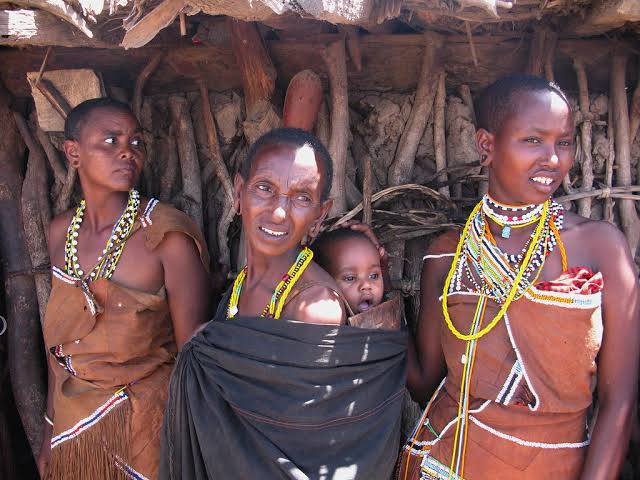
A Maasai boma visit near Ngorongoro or along the Serengeti’s periphery is the most commonly offered cultural experience on a standard northern circuit itinerary and also the one most prone to feeling rushed or transactional if booked through the wrong operator. A well-run visit involves conversation about Maasai pastoralist life, cattle culture, and the increasingly complex relationship between traditional grazing practices and conservation area boundaries, rather than simply a dance performance followed by a craft sale.
The most memorable visits tend to be the ones where guests are encouraged to ask questions about daily life, family structure, and how the community has adapted to living alongside protected wildlife areas, rather than a purely observational stop.
Practical implication: ask your operator specifically how the visit fee is shared with the community and whether the same boma hosts visits regularly enough to have an ongoing relationship with the operator, rather than being a one-off stop selected purely for convenience.
Visiting the Hadzabe
The Hadzabe, numbering only a few hundred to around a thousand individuals depending on the estimate, are among the last populations in Africa still practising a hunter-gatherer lifestyle, speaking a distinctive click-consonant language unrelated to neighbouring Bantu or Nilotic languages.
A well-run Hadzabe morning visit near Lake Eyasi typically involves joining a small hunting or foraging outing, observing traditional fire-starting and tool-making techniques, and direct conversation through a translator about a way of life that has persisted with relatively little change for millennia.
Guests often describe the experience as humbling, watching skills executed with an ease that reflects generations of accumulated knowledge rather than a performance staged specifically for visitors.
This is a rare cultural encounter, and it comes with a responsibility to visit thoughtfully. The Hadzabe’s small population and increasing pressure on their traditional land from agriculture and tourism development mean visits should be arranged through operators with established, respectful, revenue-sharing relationships with specific Hadzabe communities, not opportunistic stops arranged on the fly.
Visiting the Chagga People
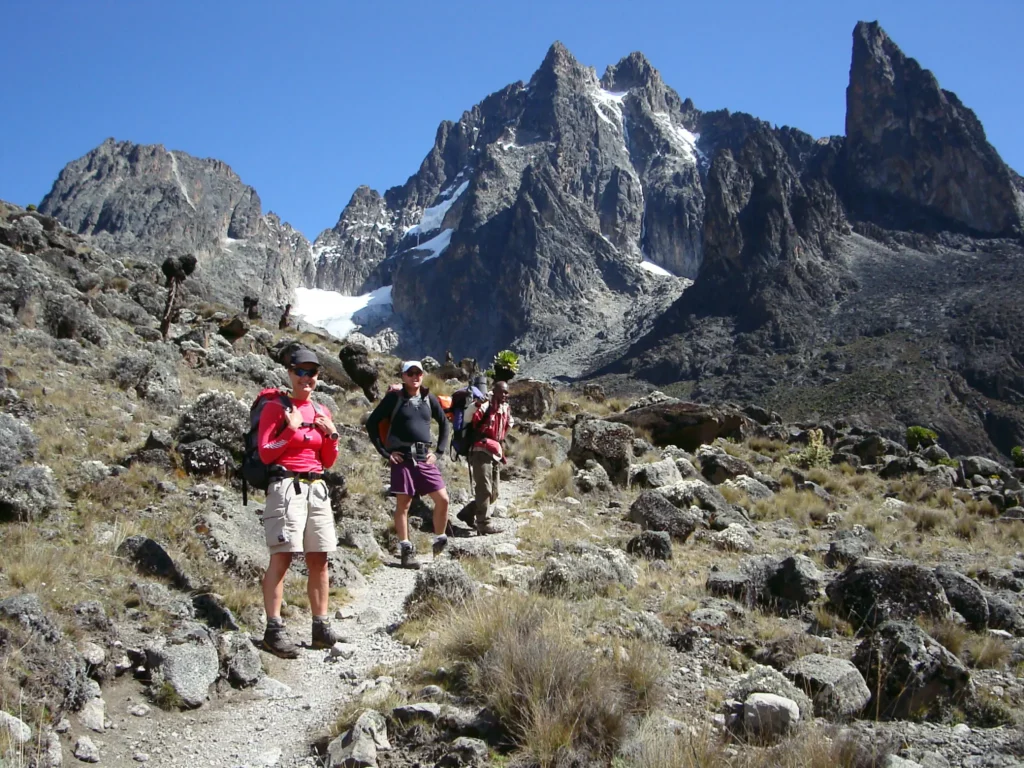
The Chagga, Tanzania’s third-largest ethnic group, have farmed the fertile volcanic slopes of Kilimanjaro for centuries, developing a sophisticated indigenous irrigation system and a strong tradition of coffee cultivation that most Kilimanjaro climbers pass directly through without realizing it.
A dedicated Chagga cultural tour, often combined with a coffee farm visit and a walk to Materuni or Kilasiya waterfalls, gives Kilimanjaro-bound travellers a worthwhile cultural component either before or after their climb, without requiring a significant detour from the standard route.
Many tours include roasting and grinding coffee by hand using traditional methods, followed by tasting the finished product on the same farm where it was grown, a satisfying, hands-on complement to a physically demanding mountain climb.
Zanzibar’s Swahili Coastal Culture
Zanzibar’s Stone Town offers a different cultural experience from the mainland’s pastoralist and hunter-gatherer communities: a UNESCO World Heritage old town built from centuries of Arab, Persian, Indian, and African trade and settlement, reflected in its architecture, cuisine, language, and religious life.
A guided walking tour through Stone Town’s narrow streets, historic buildings, and markets, ideally including a visit to sites connected to the island’s difficult history with the slave trade, adds historical depth that pairs naturally with a beach-focused Zanzibar stay.
The old town’s carved wooden doors, a distinctive local craft tradition blending Arab and Indian design influences, are worth a specific mention in any guided walk, since each door’s carving style once signalled the wealth and status of the household behind it.
Who Tanzania’s Cultural Tours Suit
| Traveller Type | Recommended Focus | Reasoning |
| First-time safari visitors with limited extra time | A well-run Maasai boma visit alongside the northern circuit | Minimal extra travel time, insight into pastoralist life bordering the parks |
| Travellers with a strong interest in anthropology or history | A dedicated Hadzabe and Datoga extension near Lake Eyasi | One of the most distinctive cultural encounters available anywhere in Africa |
| Kilimanjaro climbers | Chagga village and coffee tour | Fits naturally before or after the climb with minimal added travel |
| Zanzibar beach travelers | Stone Town walking tour | Adds historical depth to an otherwise purely relaxation-focused stay |
| Photographers and documentary-minded travelers | Combining several cultural stops across the northern circuit and Lake Eyasi | variety of subject matter beyond wildlife photography |
A Note on Ethical Travel Photography
Cultural tourism photography deserves its own specific mention, since it is one of the areas where well-meaning travellers most often get things wrong without realising it. Treating a community member as a photographic subject without interaction first, or photographing children without a parent’s clear consent, are common mistakes that can make a visit feel extractive rather than mutual, regardless of good intentions.
The better approach is to spend time in conversation first, ask directly before photographing anyone, and accept gracefully if the answer is no. Many of the most striking photographs from a well-run cultural visit come after this kind of relationship-building, not from a rushed first impression.
What Cultural Tours Cost
| Experience | Approximate Cost Per Person | Notes |
| Maasai boma visit | $20 to $40 | Often bundled into a broader safari itinerary rather than booked separately |
| Hadzabe morning experience | $50 to $100 | Includes translator and community contribution |
| Chagga village and coffee tour | $30 to $60 | Often combined with a waterfall hike |
| Stone Town walking tour | $20 to $40 | Typically 2 to 3 hours with a licensed local guide |
How to Identify a Respectful Cultural Tour
- Ask how the community benefits financially. A specific, clear answer is a good sign; vague reassurance is not.
- Check whether the visit involves conversation or purely observation. The best experiences involve direct interaction and questions, not just watching a performance from a distance.
- Avoid visits that feel rushed. Anything under 45 minutes to an hour is unlikely to offer more than a surface-level, transactional encounter.
- Ask whether the community was consulted on how visits are structured. Community-led tourism initiatives tend to feel noticeably different from those designed purely by an outside operator.
- Be thoughtful about photography. Ask permission before photographing individuals, and be guided by your host community’s own comfort level rather than assuming it is always welcome.
When to Combine Cultural Tours With Your Safari
| Cultural Experience | Best Paired With | Notes |
| Maasai boma visit | Ngorongoro Crater or Serengeti safari days | Easily combined without significant extra travel time |
| Hadzabe and Datoga visits | A dedicated Lake Eyasi extension | Requires a specific detour, best done as a 1 to 2 day addition to a northern circuit trip |
| Chagga village tour | Before or after a Kilimanjaro climb | Minimal extra travel time given proximity to Kilimanjaro’s base towns |
| Stone Town walking tour | A Zanzibar beach stay | Easily combined as a half-day activity within a beach-focused stay |
Frequently Asked Questions
Are Maasai boma visits exploitative?
This varies enormously by operator. Visits arranged through operators with, ongoing, fairly compensated relationships with specific communities can be respectful and mutually valuable; generic, rushed stops arranged purely for convenience are more likely to feel transactional and less meaningful for both sides.
Is it appropriate to take photographs during a cultural visit?
Generally yes with permission, though always ask first rather than assuming, and be guided by your host community’s specific comfort level, which can vary between communities and even between individuals within the same community.
How many Hadzabe people are left today?
Estimates range from a few hundred to around a thousand individuals, making them one of the smallest and most distinct ethnic groups in Tanzania, with pressure on their traditional hunting grounds from surrounding land use changes.
Can I visit the Hadzabe without a guide or operator?
This is strongly discouraged. Community relationships, translation, and appropriate cultural protocols all depend on an established operator relationship, and arriving independently is unlikely to be well received or logistically possible in any case.
Is a full day needed for Stone Town, or is a few hours enough?
A guided walking tour typically covers the essentials in two to three hours, but travellers interested in the markets, historic sites, and food scene often find a full day considerably more rewarding than a rushed morning visit.
What language barriers should I expect during these visits?
Most cultural tours are conducted with a translator fluent in both English and the relevant local language, whether Maa for Maasai communities, Hadzane for the Hadzabe, or Kichagga for Chagga communities. Confirm translation is included when booking, since a visit without proper translation loses much of its value.
Do these cultural experiences change with the seasons?
Not significantly for most communities, since daily life, herding, farming, hunting and gathering, continues year-round. The main seasonal consideration is road access to more remote areas like Lake Eyasi, which can be more difficult during the heaviest rains.
Choosing Cultural Experiences That Matter
Tanzania’s cultural depth rivals its wildlife as a reason to visit, but only if the specific experiences you choose are built around real relationships rather than a rushed tourist stop bundled in to fill an itinerary gap. The Maasai, Hadzabe, Chagga, and Zanzibar’s Swahili coastal culture each offer something distinct, and a thoughtfully chosen visit to even one of them adds a dimension to a Tanzania trip that wildlife alone cannot provide.