Backpacking East Africa: Budget Safari Add-Ons for Independent Travelers
Backpacking East Africa and experiencing genuine, world-class safari wildlife aren’t mutually exclusive, provided you approach the safari portion of your trip differently than a typical package tourist would. Overland routes, shared vehicles, hostel and dorm-style accommodation, and short, focused local safaris let independent travelers add real gorilla trekking, savanna game drives, and primate encounters onto a backpacking itinerary without the cost structure of a fully guided private trip.
This guide covers the practical detail: which routes work best, how overland tours actually function, and where the genuine safari add-ons fit into a broader independent backpacking journey.
The Classic East Africa Backpacking Routes
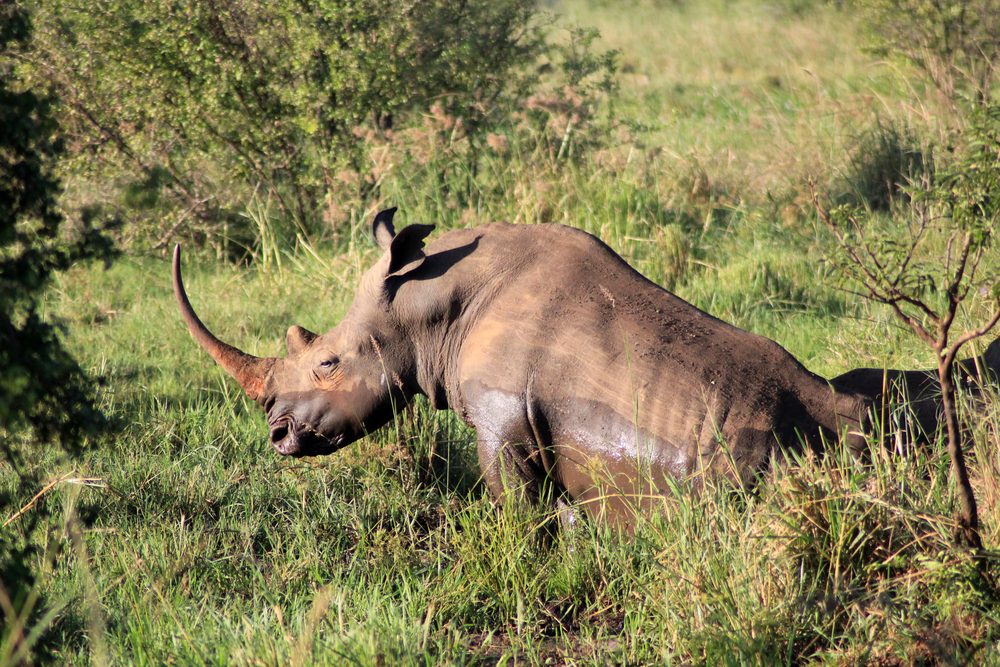
The Kenya-Tanzania-Uganda route delivers Big Five safaris in the Masai Mara and Serengeti, gorilla trekking in Bwindi Impenetrable Forest, chimpanzee tracking in Kibale, and cultural encounters with Maasai communities, all within a single, well-connected overland journey.
An alternative Kenya-Uganda-Rwanda route focuses more specifically on primate trekking, Rwanda’s Volcanoes National Park and Uganda’s Bwindi Forest, combined with savanna safaris in Kenya, suited to backpackers whose primary interest is gorillas and chimps rather than classic plains game.
How Overland Tours Actually Work
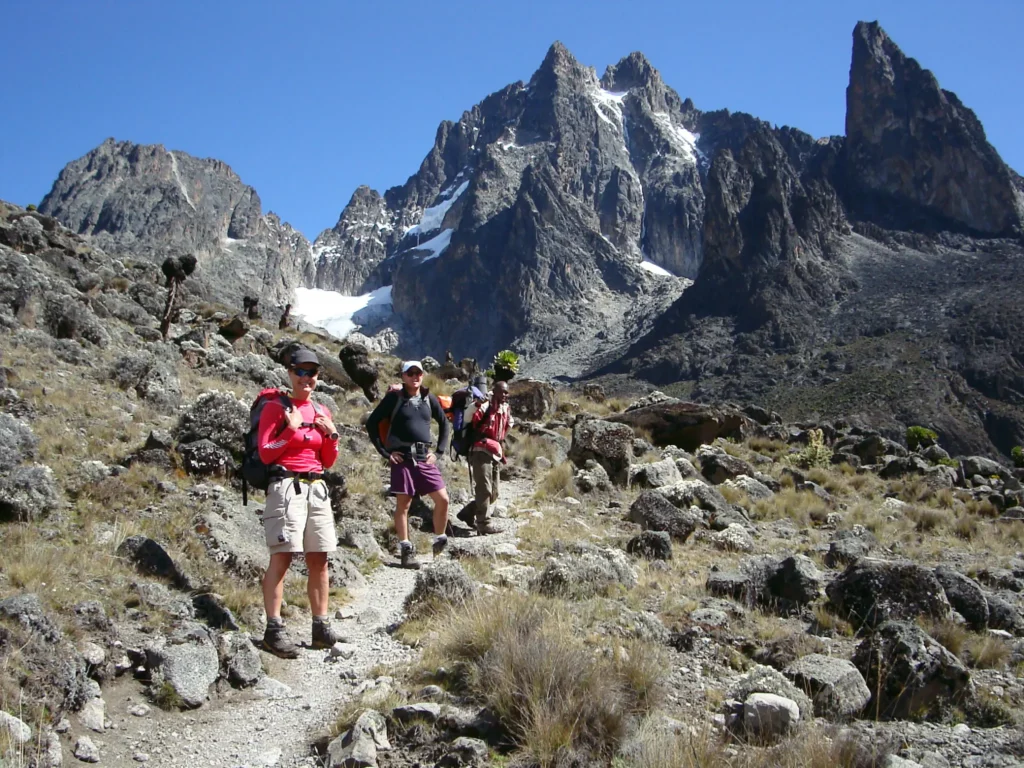
A purpose-built overland truck typically handles transport for the full route, with a dedicated crew preparing meals at camp along the way, on a 27-day route, for instance, this might mean 25 breakfasts, 17 lunches, and 20 dinners included across the journey. Accommodation on these trips mixes styles: expect roughly 80 percent of nights in shared two-person dome tents and 20 percent in simple hotels or hostels, with shared bathroom facilities standard at most camping stops.
Pricing for these overland routes runs roughly $150 to $200 per day depending on route length and inclusions, and longer, more comprehensive itineraries, a 55-day route across nine countries, for instance, can include gorilla trekking permits and entrance fees to major national parks bundled directly into the overall package price.
Accommodated Overland Tours: A Middle Ground
For backpackers who aren’t natural campers, accommodated overland tours swap tents for basic 2-3 star chalets, bungalows, traditional huts, and permanent tents, with accommodation typically shared between two guests per room, or dormitory-style specifically in East Africa. Upgrades are generally available at each property along the route for travelers wanting occasional extra comfort without committing to it for the entire trip.
Where to Find the Best Budget Safari Value
Kenya and Tanzania in East Africa, alongside Namibia and Zambia further south, consistently stand out as the most budget-friendly safari destinations, with public camping areas in Botswana’s Okavango Delta, Kenya’s Kruger-adjacent parks, and Tanzania’s Serengeti and Ngorongoro all offering excellent wildlife viewing at considerably lower cost than private lodge-based alternatives.
Joining Local Group Safaris Rather Than Private Tours
For independent travellers wanting to fold a dedicated safari into their broader backpacking route without joining a full multi-week overland tour, booking a short, local group safari, three to five days, arranged through a reputable local operator once you’ve arrived in the region, delivers the core wildlife experience at a meaningfully lower cost than a private equivalent. Sharing transport, guides, and accommodation costs with fellow backpackers keeps the safari portion of your trip proportionate to the rest of your budget travel.
Timing Your Safari Add-On for Maximum Savings
Travelling in shoulder months, April, May, or November, rather than peak season, June through August, can save significant money on the safari portion specifically, since wildlife remains abundant while camps and local operators often run meaningful discounts to fill capacity during quieter periods. Backpackers with flexible timing benefit disproportionately from this seasonal flexibility compared with travelers locked into fixed peak-season dates.
Practical Budget Backpacking Tips
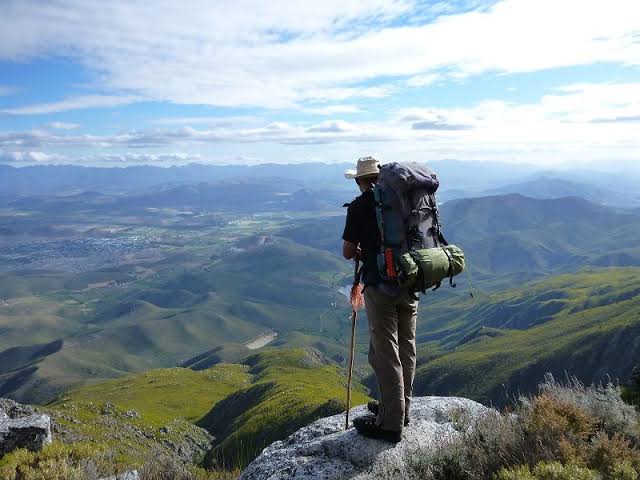
Pack light and stick to soft luggage specifically; overland vehicles and shared minivans have limited storage compared with private safari vehicles, and hard-shell suitcases don’t fit well into the shared storage most budget transport options use.
Use overland buses or shared safari vehicles for affordable transport between destinations, book local tour operators directly for short safaris or guided trekking rather than pre-booking everything through an international agency, and carry USD cash, the most easily exchanged currency across the continent and useful specifically for tipping guides and camp staff.
What to Prioritize on a Tight Budget
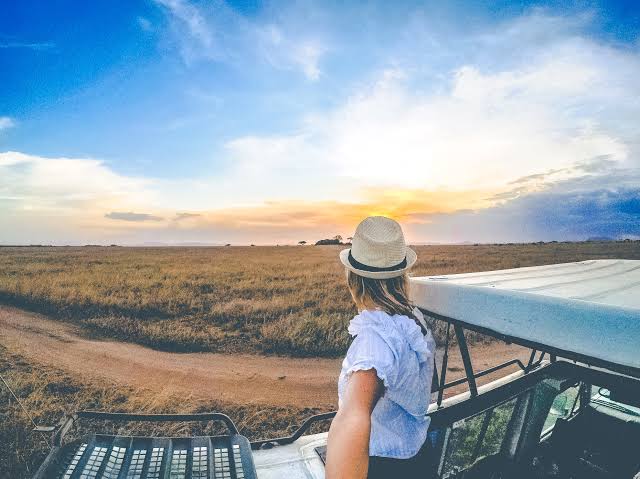
Given limited funds, prioritize the experiences unavailable elsewhere, gorilla trekking, chimpanzee tracking, and a classic Big Five game drive, over accommodation upgrades or optional add-on activities. A basic dorm bed or shared tent delivers the same wildlife encounter as a luxury lodge stay once you’re actually out on the game drive or forest trek itself, meaning cutting accommodation costs doesn’t compromise the core experience the way skimping on a qualified guide or a legitimate operator would.
Essential Preparation for Backpacker Safaris
Travel insurance covering wildlife and adventure activities specifically is essential rather than optional, given the remote settings and physical activities involved in even a budget safari add-on. Staying flexible matters too, weather and wildlife sightings shift day to day regardless of how carefully you’ve planned, and respecting your guide’s instructions around distance and behavior around wildlife remains just as important on a budget group safari as on any private, luxury equivalent.
Sample Budget Framework
| Trip Element | Approx. Daily Cost | Notes |
| Overland truck tour (camping) | $150/day | Meals, transport, and camping included |
| Overland tour (mixed hostel/hotel) | $200/day | Higher comfort, still budget-focused |
| Short local group safari (3-5 days) | Varies by park and season | Book locally for a lower cost than pre-arranged. |
| Gorilla/chimp permit (add-on) | $250-800 depending on country/species | Fixed cost regardless of budget travel style |
Frequently Asked Questions
Can I see gorillas and Big Five wildlife while backpacking on a budget?
Yes. Overland tours and short local group safaris let backpackers fold real gorilla trekking, chimp tracking, and savanna game drives into an independent route without the cost of a fully private, guided trip.
How much does an overland safari tour typically cost per day?
Roughly $150 to $200 per day depending on route length and comfort level, generally including transport, most meals, and camping or basic accommodation.
Should I book my safari before arriving or once I’m in the region?
Booking a short, local group safari once you’ve arrived, through a reputable local operator, often costs less than pre-arranging everything through an international agency, though gorilla and chimp permits should be booked well in advance regardless.
What accommodation should I expect on a budget overland safari?
A mix of shared two-person dome tents (roughly 80% of nights) and simple hotels or hostels (roughly 20%), with shared bathroom facilities standard at most camping stops.
Does cutting accommodation costs compromise the safari experience?
Generally no. A basic dorm bed or shared tent delivers the same wildlife encounter as a luxury lodge once you’re actually on the game drive or forest trek, meaning accommodation is a safe place to cut costs.