Olare Motorogi Conservancy
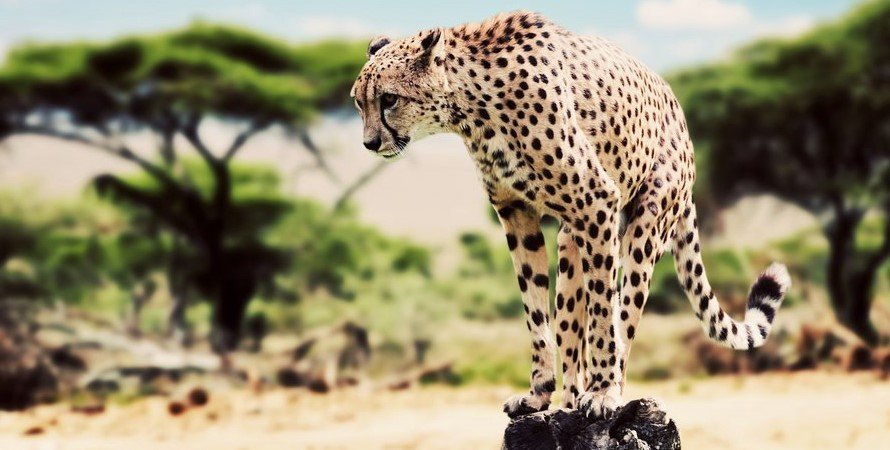
Olare Motorogi is the conservancy most often named when safari planners talk about the Maasai Mara’s private reserves, and the reason is simple: big cats. It sits directly on the northern boundary of the Maasai Mara National Reserve, formed from the former Olare Orok and Motorogi conservancies, and it is widely documented as having one of the highest lion densities in the Mara ecosystem, alongside strong leopard and cheetah viewing.
What separates it from the national reserve is not the animals, which cross freely between the two, but the number of vehicles that watch them. Olare Motorogi limits beds and enforces vehicle caps at sightings, so a cheetah hunt that attracts fifteen vehicles in the reserve might be watched by two or three here.
This guide explains how that system works, what it costs and who should choose it.
Is Olare Motorogi Right for Your Trip?
Olare Motorogi suits travellers who prioritise close, uncrowded predator viewing, photographers who value time with a sighting, and anyone who wants off-road driving, night drives and walking safaris, which the national reserve generally does not allow.
It is also a strong choice for repeat visitors who found the reserve too busy.
It is less suited to travelers on a tight budget. Camp rates and conservancy fees put it firmly in the luxury tier, and the best-known river crossings of the Great Migration take place in the reserve rather than the conservancy, though many camps arrange crossing visits as add-ons. If the Mara River is your priority, plan your days accordingly.
What Olare Motorogi Is
Olare Motorogi is a community conservancy of roughly 33,000 to 35,000 acres (about 140 square kilometers) formed through a lease arrangement with more than 300 Maasai landowners.
The model began in May 2006 with the formation of the Olare Orok Conservancy, brokered with roughly 277 landowners, and has since been widely cited as a template for community conservancies in the Mara.
Landowners hold individual title deeds and lease their land in a structured arrangement that contracts a contiguous block to a management company. In return, they move homesteads and livestock out of the conservancy, and staff, guides and rangers are drawn largely from landowners’ families.
Lease payments reach more than 1,000 families, and because Maasai earn income from tourism and conservation, poaching is rare.
The Limits That Define the Experience
The conservancy caps tourism deliberately. The most commonly cited limit is about 94 guest beds across five camps, none larger than around 24 beds, equating to roughly one game-viewing vehicle per 2,100 acres. Only guests of the partner camps may drive in the conservancy.
The rules on vehicles at a single sighting vary by source, with figures of two, three, four and five all quoted, so treat the exact number as a camp-by-camp agreement and ask your lodge what it enforces.
The practical effect is the point. In the national reserve during peak season, a lion sighting commonly draws ten to twenty-five vehicles. In Olare Motorogi, a handful of vehicles will share a sighting, and guides can position quietly, allowing time for photography and for natural behavior to unfold.
Wildlife
Lions, leopards and cheetahs are the headline species, and the conservancy is repeatedly described as having the highest density of big cats in the Mara ecosystem. A frequently cited 2016 study estimated ecosystem-wide lion density at around 16.85 lions per 100 square kilometers and identified Olare Motorogi among the highest-density areas.
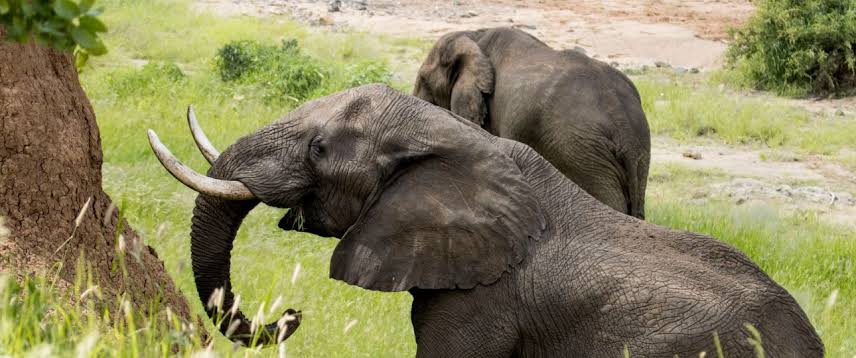
Elephants, buffalo, giraffes, hyenas, topi, zebra and wildebeests complete the picture, with birdlife and smaller predators for those who stay longer.
Wildlife viewing is year-round, with the wildebeest migration usually present in the wider Mara from July to October. The conservancy sees migratory herds at times, but its core appeal is resident big cats rather than the river crossings.
Where to Stay
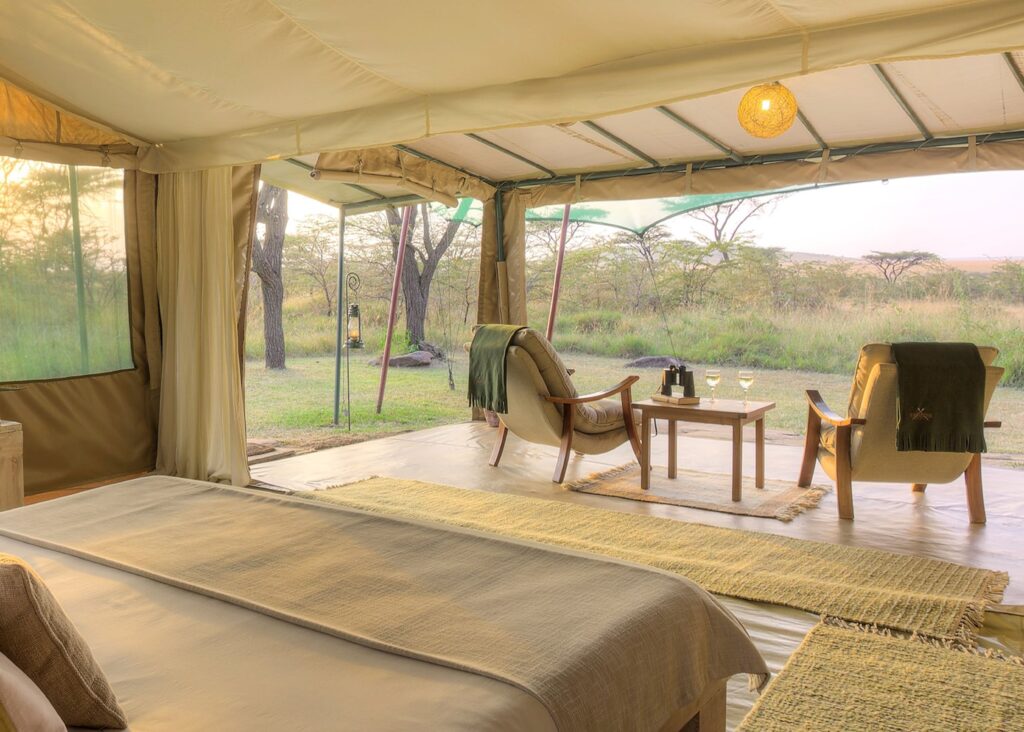
Five partner camps operate here: Porini Lion Camp, Kicheche Bush Camp (Olare), Mara Plains Camp, Olare Mara Kempinski and Mahali Mzuri. Camps range from eco-focused tented camps to ultra-luxury properties, and each keeps to the conservancy’s code of conduct.
Be careful with listings: Kicheche Bush Olare is a different camp from Kicheche’s Mara North property, and andBeyond Bateleur Camp, sometimes listed under Olare Motorogi, is actually in the Mara Triangle concession near Kichwa Tembo.
When choosing, ask how many guests each vehicle carries (camps limiting vehicles to four guests give better window access) and whether walks, night drives and bush meals are included in the rate.
Fees and Costs
Olare Motorogi charges a daily conservancy fee on top of camp rates, paid through the camp, funding landowner lease payments, rangers and management. Some camps add the fee to the accommodation rate, while others include it in a package, so compare inclusions carefully.
Entering the Maasai Mara National Reserve, for example for a river crossing, incurs a separate reserve fee, which the conservancy fee does not cover.
Camp rates vary widely. One 2026 listing shows Kicheche Bush Olare adult accommodation from about US$765 to US$1,095 per person per night sharing, before the conservancy fee, while another guide quotes full-board rates at camps such as Olare Mara Kempinski and Porini Lion Camp from about US$400 to US$900 per person per night depending on season.
| Item | Approximate Figure (verify) |
| Conservancy fee (non-resident adult) | US$120-150 per night (one 2026 listing: US$130) |
| Child conservancy fee (7-17) | About US$65 (one listing) |
| Camp rates (full board) | About US$400-1,095 per person per night |
| Reserve entry (if you cross in) | US$80-200 per day (sources differ) |
Olare Motorogi Versus the National Reserve
| Feature | Maasai Mara National Reserve | Olare Motorogi Conservancy |
| Vehicle access | Open to licensed operators | Camp guests only |
| Vehicles at a sighting | Often 10-25 in peak season | Typically 2-5, depending on camp rules |
| Off-road driving and night drives | Not permitted | Permitted |
| Walking safaris | Not permitted | Permitted |
| Community benefit | Indirect, via county | Direct lease payments to landowners |
Getting There and When to Go
Most guests fly from Nairobi’s Wilson Airport to an airstrip serving the conservancy, a flight of about 45 minutes. Road access runs through Narok town and requires a 4×4, especially in the rains. July to October is peak season and the best time for the migration in the wider Mara, with high demand and high rates. January to March offers good big-cat viewing with fewer visitors, while April to May brings the long rains and the lowest rates.
Planning Advice
Plan at least three nights, and consider adding a night or two in another conservancy such as Mara North or Naboisho for contrast. If you want river crossings, ask your camp how it handles reserve visits and book those days in advance. Ask each camp for its vehicle-per-sighting rule in writing, since figures differ, and check vehicle seating capacity.
Because camps are small and few, peak-season availability is limited. Book early for July to October.
Which Travellers Does It Suit?
- Big-cat enthusiasts: highly documented predator density.
- Photographers: low vehicle numbers and off-road positioning.
- Repeat Mara visitors: a quieter alternative to the reserve.
- Culture-minded travellers: direct Maasai landowner partnership.
- Budget travellers: better served by reserve-based camps.
Frequently Asked Questions
How big is Olare Motorogi Conservancy?
Roughly 33,000 to 35,000 acres, or about 140 square kilometers, on the northern edge of the Maasai Mara National Reserve.
How many camps are in Olare Motorogi?
Five partner camps in the most consistent accounts: Porini Lion Camp, Kicheche Bush Camp (Olare), Mara Plains Camp, Olare Mara Kempinski and Mahali Mzuri.
Why is Olare Motorogi so good for big cats?
It is documented as having some of the Mara’s highest lion densities, and strict bed and vehicle limits mean sightings are shared with only a few vehicles.
Do I pay conservancy fees as well as camp rates?
Yes, a daily per-person conservancy fee is charged on top of or included within camp rates, and the national reserve fee is separate if you enter the reserve.
Can I see the Great Migration river crossings from Olare Motorogi?
Crossings take place mainly in the reserve. Many camps arrange visits, but those require reserve entry and are best planned in advance.