Lewa Wildlife Conservancy
Lewa began as a cattle ranch, Lewa Downs, and became one of the most influential conservation projects in Africa. In the 1980s it started sheltering endangered black rhinos; in 1995 it was formally established as a wildlife sanctuary; and in 2013 it was inscribed by UNESCO as an extension of the Mount Kenya World Heritage Site.
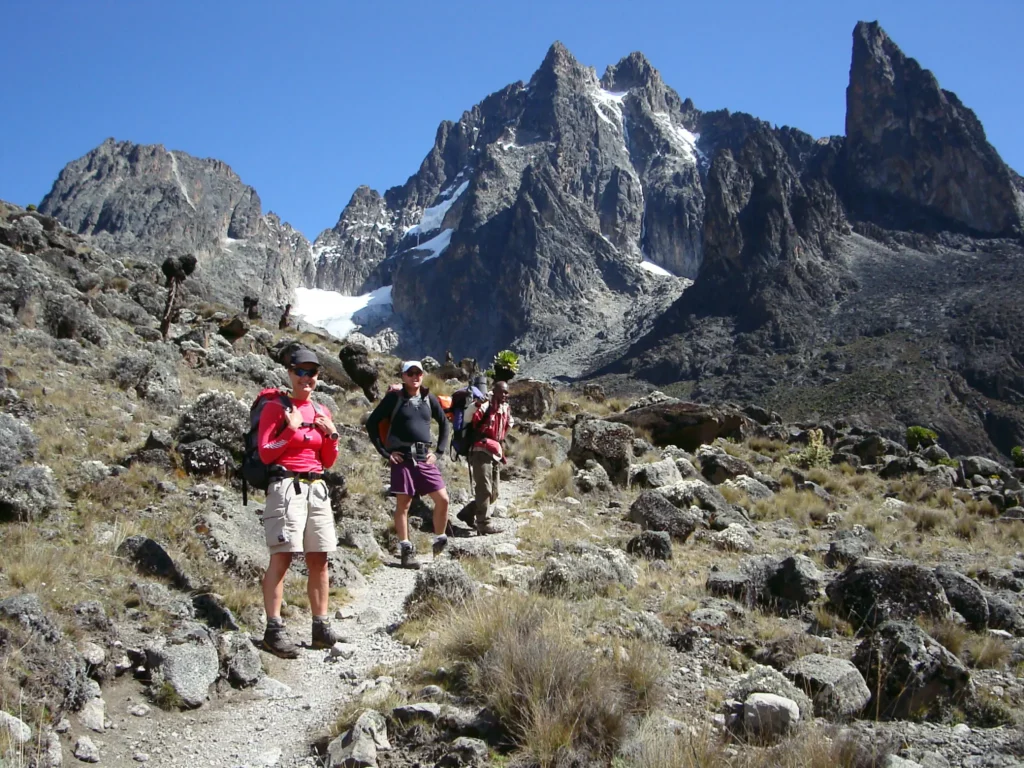
Today it covers about 62,000 acres (roughly 250 square kilometers, counting the neighboring Ngare Ndare Forest) in northern Kenya, around 225 kilometers north of Nairobi, at the foothills of Mount Kenya.
Lewa is known for rhinos and Grevy’s zebras, and it is equally known for the way its model has spread, supporting community conservation across northern Kenya. This guide covers what makes it stand out, what a visit involves and who should choose it over the other conservancies in this series.
Is Lewa Right for Your Trip?
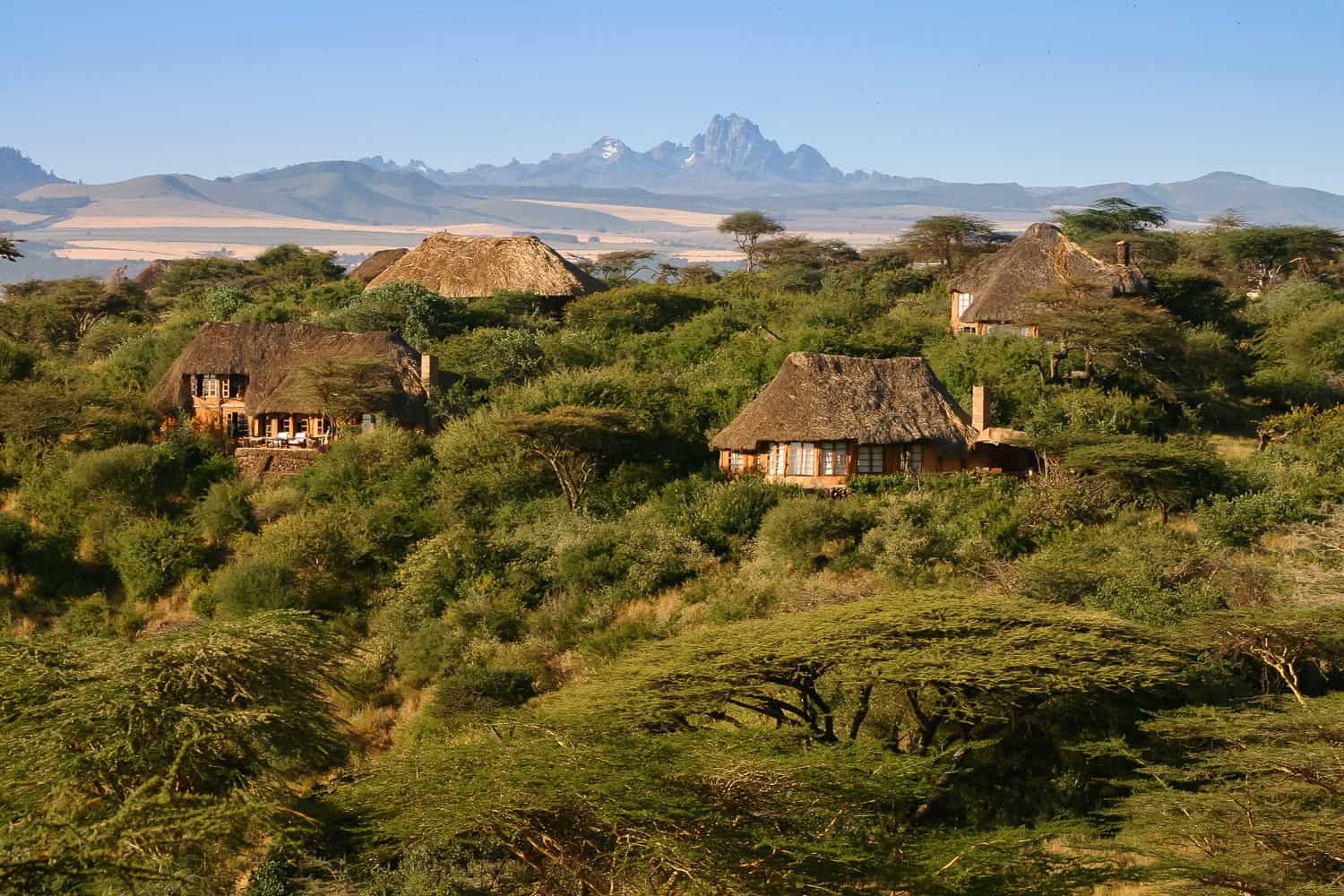
Lewa suits travelers who want reliable big-game viewing, a high chance of black rhino, and a safari with real conservation substance. It is easy to reach by air from Nairobi, it offers a wide range of camps and houses, and its open terrain, with Mount Kenya’s snow on clear days, makes it excellent for photography.
It is less suited to anyone seeking a quick, low-cost visit. Lewa is a premium destination, and its accommodation sits at the upper end of Kenya’s range. It also leans toward polished, managed stays rather than rugged remoteness, which suits some travelers and not others.
Why Lewa Stands Out
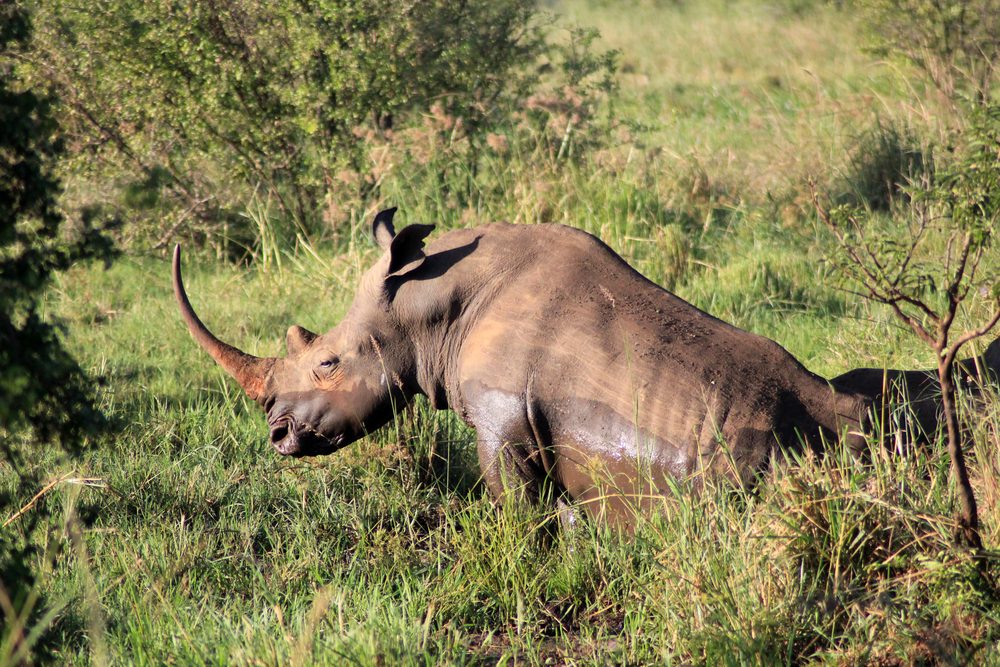
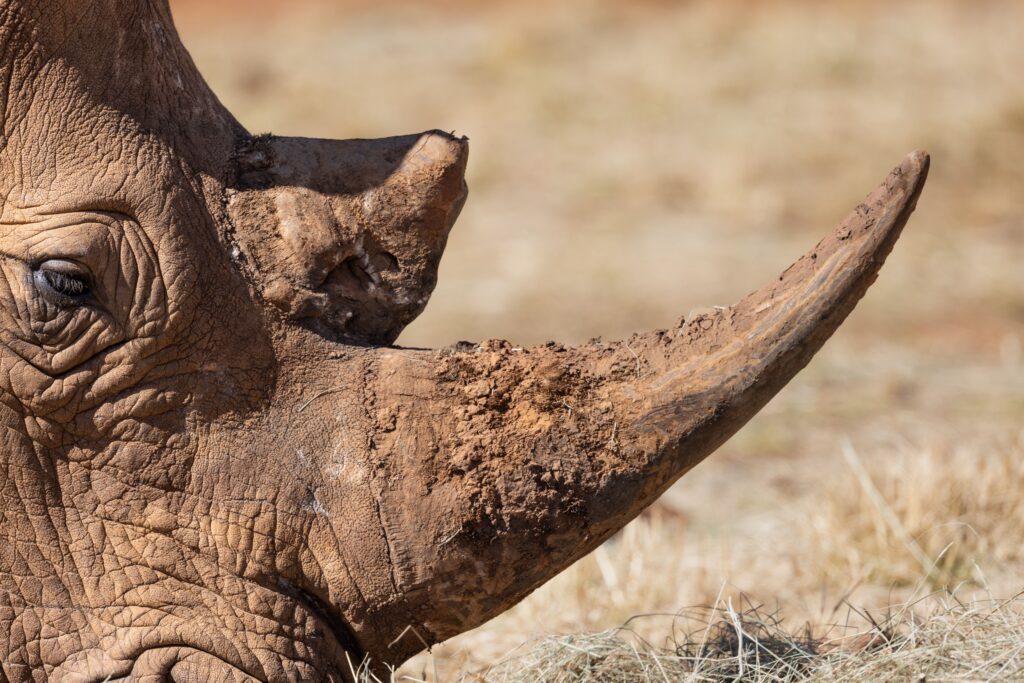
The wildlife density is the main draw. Lewa holds roughly 10 to 12 percent of Kenya’s black rhinos and about 14 percent of its white rhinos, according to commonly quoted figures, and it protects the world’s largest single population of the endangered Grevy’s zebra.
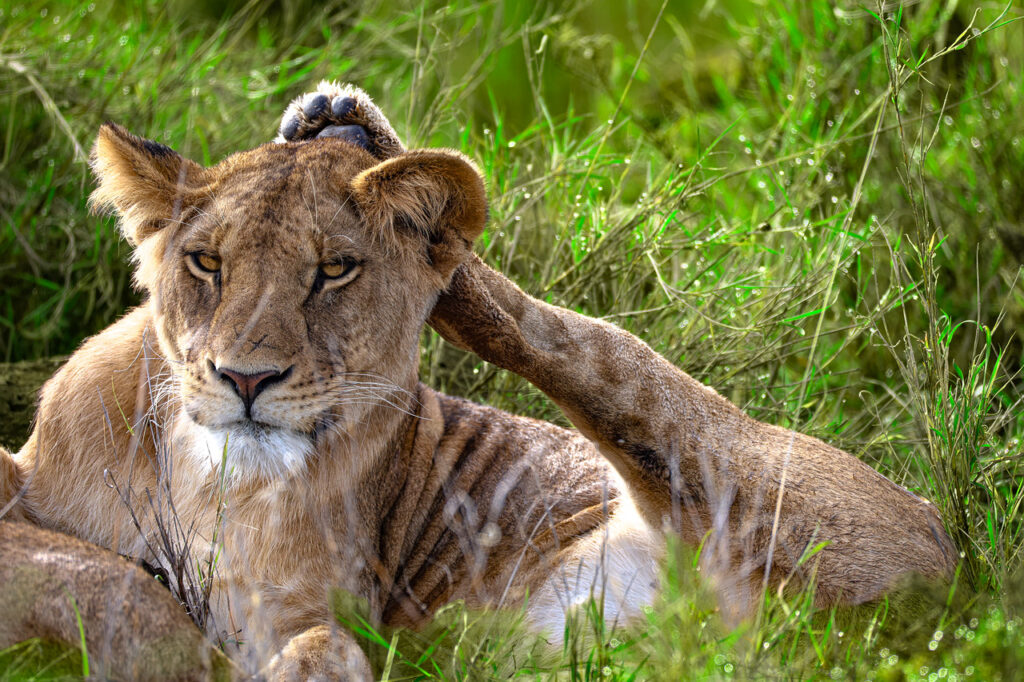
The conservancy also hosts the northern specialities visitors rarely see further south: reticulated giraffe, Somali ostrich, beisa, oryx, and gerenuk, alongside elephants (herds of 100 or more have been reported), lions, leopards, cheetahs and sitatunga.
Lewa’s second claim to fame is its conservation model. The conservancy’s rangers, veterinary teams and anti-poaching units have been used as a template for other conservancies, and its UNESCO status means the land is locked into conservation use.
Its annual Lewa Safari Marathon, organized with Tusk and held on 27 June in 2026, has raised around KES 1.3 billion since 2000, funding conservation and community projects across Kenya, with runners sharing the course with wildlife.
The Lewa-Borana Landscape
Lewa shares an unfenced boundary with Borana Conservancy, removed in 2014, creating a contiguous landscape of roughly 90,000 acres that is now the largest rhino sanctuary in Kenya.
The conservancy also manages additional grazing land to the north and connects to the Ngare Ndare Forest, forming a movement network that allows rhinos, elephants and predators to range widely. Several sources report zero rhino poaching incidents since the corridor was created; treat that as a claim to confirm rather than a guarantee.
What You Can Do
Lewa’s activity list leans toward flexibility. Day and night game drives, guided walking safaris, rhino tracking with rangers, horse riding, mountain biking and visits to community projects are all part of the offering, with exact options depending on which camp you choose. Because the conservancy is private, guides can drive off-road for better sightings and run night drives.
A visit to the Ngare Ndare Forest, a UNESCO-listed forest adjoining Lewa, adds canopy walkways and swimming pools in the forest, a pleasant contrast to savannah game drives. Combined with open-country drives, it makes for a varied stay.
Where to Stay
Lewa has a range of camps and private houses, from family-focused lodges to exclusive-use homes, and Lewa House is one example that travellers often mention. Accommodation tends toward the luxury end, and most properties offer private vehicles and guides as part of the stay.
Because options change and each has its own character, the best approach is to match the camp to your travel style: families, couples, groups or photographers.
The conservancy fee is separate from the camp rate and is built into every booking, so when comparing rates, check whether quotes already include it and any activities.
Costs
Lewa is one of Kenya’s higher-priced conservancies. Expect camp rates that cover full board, drinks and most activities, plus a conservancy fee, with charter flights from Nairobi’s Wilson Airport adding significant cost.
The overland route is possible but long. Because pricing varies so much by camp and season, treat any headline figure as a starting point and compare inclusions carefully.
Getting There and When to Go
Lewa has its own airstrip, and scheduled and charter flights from Wilson Airport in Nairobi take roughly an hour. Road transfers from Nairobi take around five to six hours, so most visitors fly.
The dry seasons, June to October and January to February, provide the clearest game viewing, while the green season brings lower rates and fewer visitors. If you want to see the marathon atmosphere, it is held in late June, so plan well ahead.
Planning Advice
Plan three nights if you want rhino tracking, a walking safari and a forest visit without rushing. Lewa pairs naturally with Borana for a Laikipia rhino focus and with Namunyak for a northern conservation journey and then with the Maasai Mara for classic plains game.
Ask early about rhino tracking, since sessions can be limited.
If you have children, confirm age limits for walking and riding, and look for camps with family arrangements.
Which Travellers Does It Suit?
- Rhino and Grevy’s zebra enthusiasts: the strongest populations in Kenya.
- Photographers: open terrain with Mount Kenya backdrops.
- Families: flexible camps and varied activities.
- Conservation-minded travellers: a model of how fees fund protection.
- Budget travellers: better served by other options.

Lewa Wilderness
Frequently Asked Questions
What is Lewa famous for?
Black and white rhinos, the world’s largest single population of Grevy’s zebras, its UNESCO World Heritage status and the annual Lewa Safari Marathon.
How big is Lewa Wildlife Conservancy?
About 62,000 acres, roughly 250 square kilometers, including the Ngare Ndare Forest.
When did Lewa become a UNESCO World Heritage Site?
In 2013, as an extension of the Mount Kenya World Heritage Site.
How do I get to Lewa from Nairobi?
Most visitors fly from Wilson Airport in about an hour. The road journey takes around five to six hours.
Can I see rhinos at Lewa?
Yes. Lewa protects around 10 to 12 percent of Kenya’s black rhinos and about 14 percent of its white rhinos, and rhino tracking is available with rangers.