Mara North Conservancy
Mara North is the largest of the Maasai Mara’s private conservancies, a block of more than 70,000 acres on the northern edge of the national reserve, running up toward the Aitong Hills. It was formally established on 1 January 2009, when around 750 Maasai landowners agreed to lease their combined parcels into a single managed wildlife area, and it has since grown into a partnership between more than 780 landowners and a dozen tourism operators.
For travelers, its size and its range of camps are the main attractions. Mara North offers classic Mara scenery, strong big-cat viewing and, because the Mara River forms part of its boundary, a closer connection to the migration than many other conservancies. This guide explains how it works, how it compares with its neighbors, and who should choose it.
Is Mara North Right for Your Trip?
Mara North suits travellers who want a large, varied landscape, a wide choice of camps from boutique to luxury, and the freedoms of a private conservancy. It is a good choice for travelers who want to see the migration without committing all their days to the national reserve and for those who want a range of activities, including walking safaris, night drives and horseback riding.
It is less suited to travelers seeking the most tightly capped, boutique experience, since it has more camps than Olare Motorogi or Ol Kinyei. It is also not the cheapest option in the Mara, though it covers a broad price range.
What Mara North Is
Mara North Conservancy is a not-for-profit entity governed by a board elected by member camps working alongside a Maasai Landowners’ Committee. It covers more than 29,000 hectares (about 72,000 acres), effectively increasing the protected area of the Mara by around 20 percent. Land is leased from Maasai families, who receive regular payments, while camps pay conservancy fees that fund rangers, scouts and community projects.
The model keeps the landscape open for wildlife and traditional pastoralism to coexist in a managed way. Landowners are partners rather than bystanders, and the conservancy’s governance, with landowner representation on key decisions, is one reason it has endured.
Wildlife and the Migration
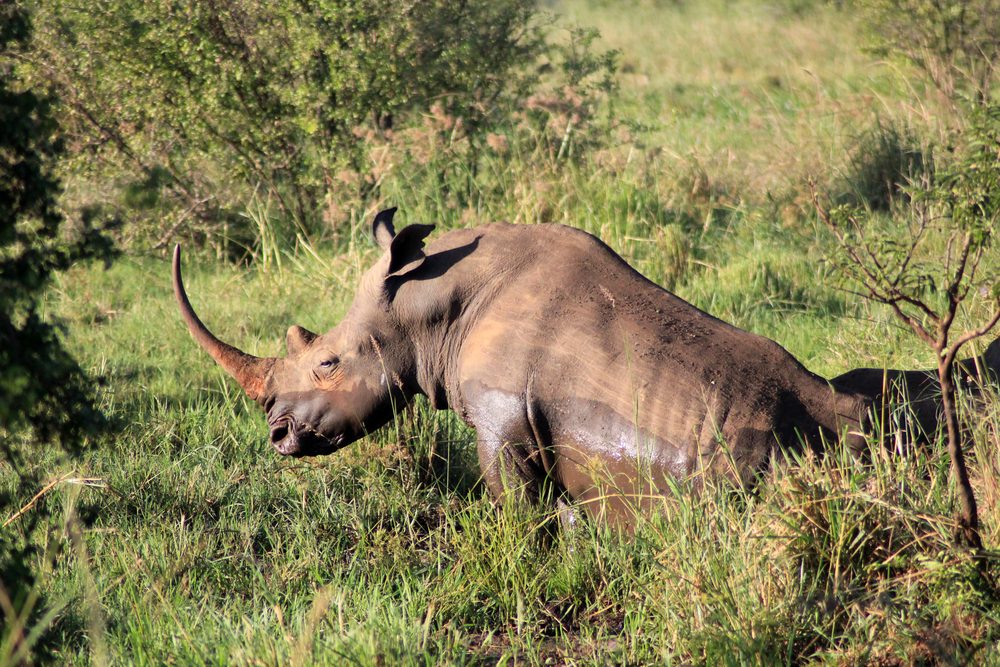
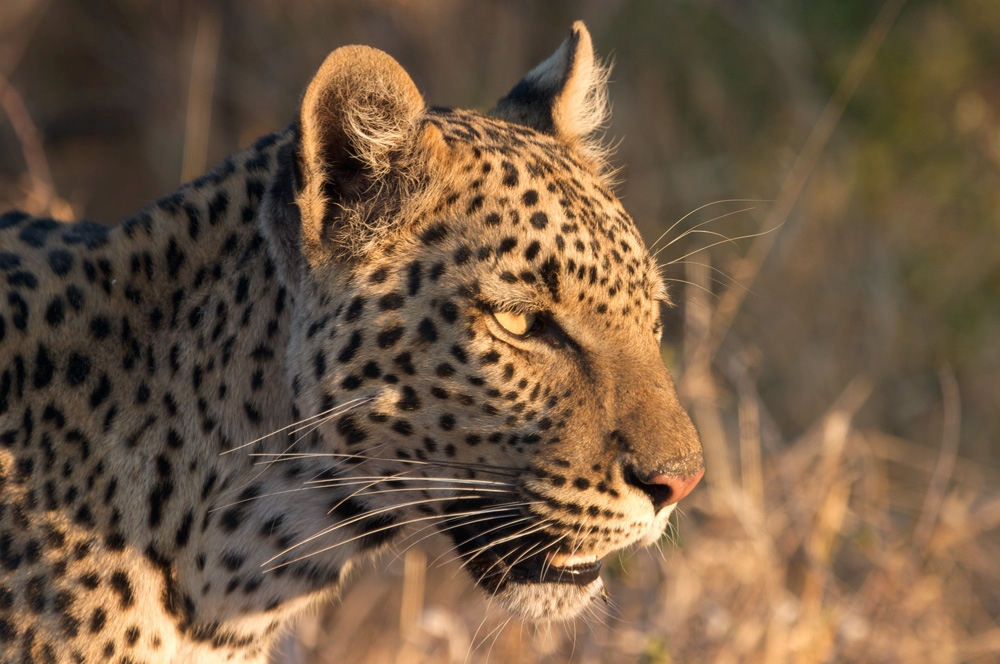
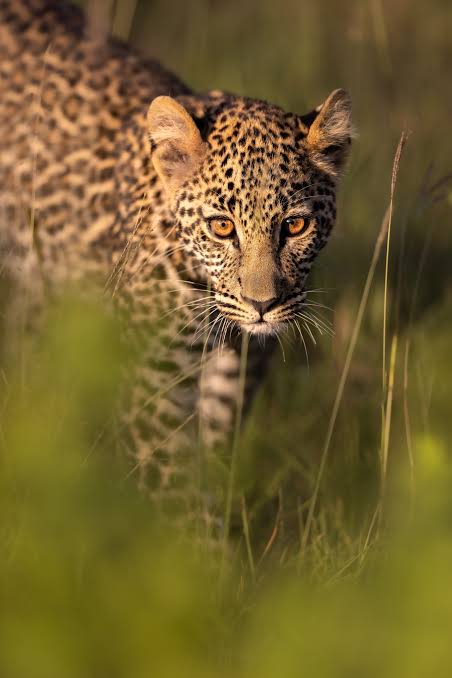
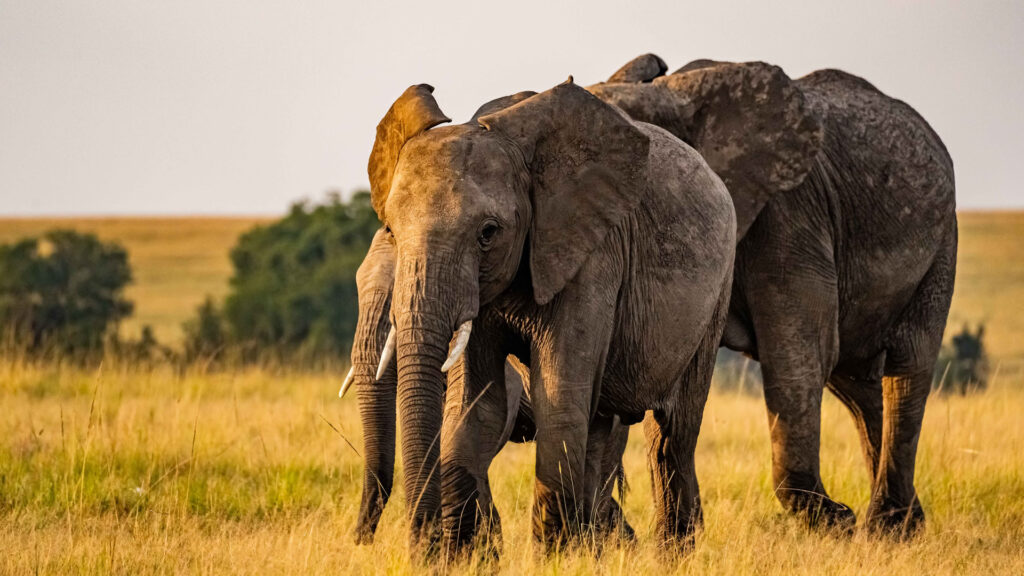
The wildlife is classic Mara: lions, leopards, cheetahs, elephants, buffalo, giraffes, hyenas and huge numbers of plains game. The area is known for big cats and was a filming location for the BBC’s Big Cat Diary series, and the Lemek Hills provide an important refuge for African wild dogs, one of the Mara’s rarest large predators.
Mara North also sees migratory herds of wildebeest and zebra crossing its landscape during the Great Migration. Because the Mara River runs along part of its boundary, some camps offer crossing viewpoints, and one source notes that this can avoid the separate reserve entry fee; confirm this with your camp rather than assuming it applies to your location.
Where to Stay
Mara North is home to a larger group of camps than most conservancies. Commonly listed properties include Elephant Pepper Camp, Karen Blixen Camp, Kicheche Mara Camp, Saruni Mara, Serian (with Ngare Serian), Offbeat Mara Camp and Royal Mara Safari Lodge, plus mobile horseback operators. Lists differ by source, and some camps change ownership or branding, so confirm current options at booking.
Camps range from boutique cottages with dramatic views to river-front tented camps and family-friendly lodges. Elephant Pepper Camp is described as a driving force behind creating the conservancy, and Saruni Mara is known for hilltop views. The wide choice lets you match style and budget.
Activities
As a private conservancy, Mara North permits night drives, guided bush walks, off-road driving and horseback riding, which are not allowed inside the national reserve. Game drives are limited to guests of the member camps, so the experience is far less crowded than in the public reserve, even though Mara North has more beds than the smallest conservancies.
Camps often arrange visits to the Mara River crossings, and many offer cultural visits and conservation talks that explain how the lease model works.
Costs
Mara North covers one of the widest price ranges in the Mara. Rates at member camps run from about US$400 to US$1,500 per person per night depending on the camp and the season, with conservancy fees typically included in the rate or added on top, so check inclusions carefully. If you visit the national reserve, you pay a separate reserve fee.
Remember to add flights or road transfers, the Kenya eTA and tips. Peak season, July to October, brings the highest rates, with lower prices from January to June.
| Item | Approximate Figure (verify) |
| Camp rates (full board) | About US$400-1,500 per person per night |
| Conservancy fee | About US$80-150 per person per night (often included) |
| Size | About 72,000 acres (29,170 hectares) |
| Landowners | About 783 at last count (750 at founding) |
How Mara North Compares With Its Neighbors
| Feature | Mara North | Naboisho | Olare Motorogi |
| Approximate size | About 72,000 acres | About 50,000 acres | About 33,000-35,000 acres |
| Established | 2009 | 2010 | 2006 (as Olare Orok) |
| Character | Largest, widest camp choice, Mara River access | Large, lion-focused, strong bed limits | Strictest limits, big cats |
| Best for | Variety, migration access | Lions and leopards value | Big-cat intensity |
Getting There and When to Go
Most guests fly from Nairobi’s Wilson Airport to an airstrip serving the conservancy, with a short road transfer. The journey by road via Narok takes most of a day. July to October is peak season for the migration and for demand, while January to March offers strong predator viewing with fewer visitors, and April to May is the quieter, lower-priced season.
Planning Advice
Spend at least three nights, and four if you want to include a river-crossing day. If you are building a multi-conservancy trip, Mara North pairs well with Naboisho and Olare Motorogi, and it provides a good bridge between a Laikipia start and a reserve visit. Ask your camp how it handles river crossing visits and whether the reserve fee applies.
Because member camps vary so much, spend time choosing the camp rather than focusing only on the conservancy name.
Which Travellers Does It Suit?
- Migration-minded travelers: Mara River access without all your days in the reserve.
- First-time conservancy guests: widest range of camps and budgets.
- Riders and walkers: horseback and walking safaris available.
- Families: several family-friendly camps.
- Seekers of the tightest vehicle limits: Olare Motorogi is stricter.

Elephants in Mara
Frequently Asked Questions
How big is Mara North Conservancy?
More than 29,000 hectares, around 72,000 acres, making it the largest conservancy in the Maasai Mara.
When was Mara North established?
On 1 January 2009, about 750 Maasai landowners agreed to lease their land into one managed conservancy.
Can I see the Mara River crossings from Mara North?
The Mara River forms part of the conservancy’s boundary, and many camps arrange crossing visits. Confirm with your camp whether a reserve fee applies.
How many camps are in Mara North?
Eleven to twelve permanent camps in most accounts, plus two mobile horseback operators. Lists vary, so confirm at booking.
Does Mara North allow night drives and walks?
Yes. As a private conservancy, it permits night drives, bush walks and off-road driving that the national reserve does not.