
Angama Mara | Maasai Mara National Reserve
Angama means “suspended in mid-air” in Swahili, and few names have ever fit a place so precisely. Perched 300 metres above the floor of the Great Rift Valley on the edge of the Oloololo Escarpment, Angama Mara looks directly down onto the Mara Triangle, one of the richest and least crowded corners of the entire Maasai Mara ecosystem.
It’s also built on the exact ridge where several of the most famous scenes from Out of Africa were filmed, a detail the lodge wears with quiet pride rather than heavy-handed nostalgia.
As a consultant, I place Angama on shortlists for clients who want the single most photogenic setting in the entire Mara region and who are willing to trade a short amount of daily transfer time into the reserve for a view genuinely unmatched anywhere else in Kenya.
It rewards travelers who value atmosphere and design as much as raw proximity to wildlife, and the level of detail in how the property is run, down to its own vegetable garden and photographic studio, tends to win over even the most well-traveled safari guests.
Built by Safari Veterans, Not First-Timers
Angama Mara opened in 2015, the creation of Nicky and the late Steve Fitzgerald, who came out of retirement after decades building some of Africa’s most celebrated lodges for &Beyond, including the world-renowned Ngorongoro Crater Lodge, to build what many consider their finest work.
That experience shows in every detail, from the site selection to the way each structure works with the landscape rather than against it.
The property sits on a 700-hectare site with 1.2 kilometres of Rift Valley frontage, split into two entirely independent camps, Angama North and Angama South, each holding exactly fifteen tented suites, thirty in total, with its own reception, pool, lounge, library, and dining area, so that guests in one camp rarely even encounter guests from the other.
South Camp faces south-east and is generally considered to have a marginally better panoramic sweep, while North Camp faces directly east with a steeper drop-off immediately below the tents that some guests find even more dramatic, a genuinely subjective trade-off rather than one camp being objectively superior to the other.
A private access road descends from the lodge directly into the Mara Triangle in roughly ten minutes, a steep but short drop that puts the reserve gate within genuine reach each morning, though it’s worth noting the gate itself keeps fixed opening and closing hours, and during peak migration weeks reaching the river crossing points at first light does take somewhat longer from the escarpment than it would from a camp positioned at river level.
It’s an honest trade-off worth discussing with clients whose main priority is being at the water’s edge the moment a crossing begins, since staying inside the reserve boundary itself, as some competing camps do, effectively buys two additional hours of prime game-drive time around sunrise and sunset when animals are most active.
The Suites
Each of the thirty suites runs to more than 100 square metres, or roughly 750 square feet, including its deck, with an eleven-metre floor-to-ceiling glass front that turns the Mara itself into the room’s defining feature.
The design draws on Maasai brickwork and bright red accents rather than the more conventional earthy safari palette, and interiors feel closer to an elegant glass-walled apartment than a traditional canvas tent, with a king-size bed, separate sitting area, private entryway, and a bath area finished with twin vanities, a claw-foot tub, and a large separate shower.

Every suite offers the same uninterrupted view along the escarpment edge, which genuinely removes any anxiety about requesting a specific room number, unlike properties where certain rooms carry a meaningfully better outlook than others.
It’s not unusual for guests to find a rock hyrax, a small, furry mammal distantly related to the elephant, taking up residence just beneath the tent deck, one of several small wildlife encounters that happen at Angama without ever needing to leave the room.
Amenities
Between the two camps sits the Pavilion, home to a library stocked with African literature and film, a fitness center with a folding glass front opening onto the view, a twelve-meter rim-flow swimming pool overlooking the escarpment, and a beading studio where local Maasai women create traditional jewelry guests can purchase directly.
A dedicated Photographic Studio offers professional tutorials, equipment hire, and post-processing support, a genuinely useful resource for guests hoping to leave with stronger images than their camera settings alone would produce.
Dining draws on fresh, seasonal produce, including vegetables grown in the property’s own shamba, or kitchen garden, paired with an outstanding international menu and a selection of fine South African wines. Breakfasts include freshly baked pastries, fruit, muesli, and cooked options such as a Swahili omelette; bush lunches beneath the trees typically bring fresh salads and sandwiches; and dinners range widely across international cuisine, served either in the communal dining room, on a private deck, or via a lantern-lit barbecue in the forest.
Guests are invited to serve themselves at the open bar whenever they wish, and in-tent or in-camp spa treatments are also available for guests who’d rather not leave the comfort of their suite’s private deck.
Activities
Game drives form the core of an Angama stay, running with a personalized, fully flexible approach that lets guides adapt the day’s plan to what guests specifically want to see rather than following a fixed route.
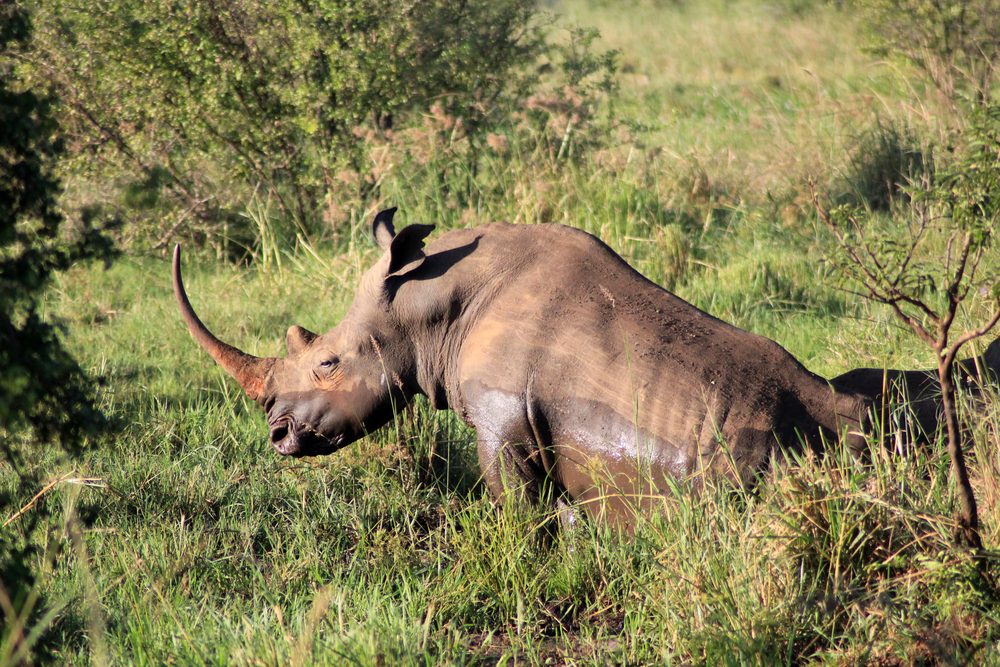
Access to the Mara Triangle puts guests among lion, elephant, leopard, hippo, black rhino, giraffe, buffalo, cheetah, and spotted hyena, alongside a bird list running past 570 species, in a section of the reserve known for lower vehicle density than the Mara’s more heavily visited eastern side.
Because game viewing in the Triangle is strong throughout the day given the area’s abundance of wildlife, drives here aren’t limited strictly to the classic early-morning and late-afternoon windows the way some other reserves require.
Beyond standard drives, Angama offers guided walking safaris with a Maasai warrior, learning traditional bush skills and plant knowledge along the way; hot air balloon flights over the plains; and the property’s signature “Out of Africa” picnic experience, a private meal set up on the exact kopje featured on the film’s original poster, complete with director’s chairs and panoramic views.
For photography-focused travelers, dedicated photographic safaris pair a slower pace with expert guidance from the Photographic Studio’s resident specialists, and guests can also spend time at the shamba itself, joining the kitchen garden team to harvest the produce that ends up on the dinner table that same evening.
Best Time to Visit
The Maasai Mara rewards visitors year-round, and resident wildlife around Angama remains genuinely strong regardless of season, but July through September, extending into October in some years, is widely regarded as the best window for witnessing the Great Wildebeest Migration and the dramatic river crossings that draw so many travelers to this specific part of Kenya.
During these months, more than half a million wildebeest and 200,000 zebra move north from Tanzania’s Serengeti, crossing the invisible border into the Mara before returning south later in the year, and Angama applies its own seasonal Angama Foundation conservation contribution reflecting this demand, currently around $100 per adult per night from January through June and $200 per adult per night from July through December, alongside a flat $50 per child.
For travelers prioritizing value and fewer crowds over guaranteed migration timing, April through June offers a genuinely worthwhile alternative, with lush, green scenery, dramatically reduced rates, and strong resident wildlife that doesn’t require the migration’s presence to deliver a rewarding safari.
November through March brings its own appeal too, since the migration herds may be located in the southern Serengeti during parts of this window, but the Mara’s non-migratory resident wildlife remains excellent throughout, making Angama a genuinely strong choice at almost any time of year depending on what a specific traveler values most.

Why It’s Worth the Price
Angama sits at the very top of the Mara’s luxury tier, and the price reflects both the extraordinary setting and the calibre of design and service behind it. For clients who’ve already stayed in strong mid-range Mara camps and want to understand what the next tier genuinely offers, I explain it this way: Angama isn’t simply a nicer room with the same view as everyone else, it’s a fundamentally different vantage point on the entire ecosystem, one that no other Mara property can replicate given its unique position on the escarpment rim.
The Angama Foundation, the lodge’s community and conservation arm funded directly through that nightly contribution, also means a stay here contributes directly to local schools, healthcare, and conservation initiatives in the surrounding Mara community, adding a further, meaningful dimension to what is already one of the most visually spectacular safari experiences available anywhere in Africa.