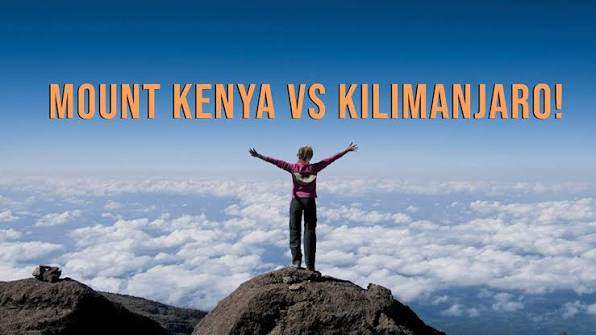
Mount Kenya vs Kilimanjaro; The question of Kilimanjaro versus Mount Kenya sits at the front of nearly every East African high-altitude trekking conversation, and the honest answer is that both mountains deliver genuinely incredible, though fundamentally different, experiences. Kilimanjaro, Africa’s highest peak at 5,895 metres, draws the fame and the crowds; Mount Kenya, the continent’s second-highest at 5,199 metres, offers a quieter, more varied, and in some ways more technically demanding alternative.
As a travel consultant, my job isn’t to declare one mountain objectively superior, it’s to match the right mountain to the right traveler’s fitness, risk tolerance, and specific goals. This guide breaks down exactly how the two compare, across the factors that actually matter when making this decision.
Height and Basic Geography
Kilimanjaro, located in Tanzania, stands as the tallest peak in Africa and the tallest freestanding mountain in the world, at 5,895 metres. It’s a dormant volcanic massif, and its dramatic elevation change from base to summit allows climbers to pass through nearly every one of the planet’s climate zones on a single ascent, banana plantations and lowland forest through alpine desert to glaciated summit, an experience often likened to travelling from the equator to the North Pole in a matter of days.
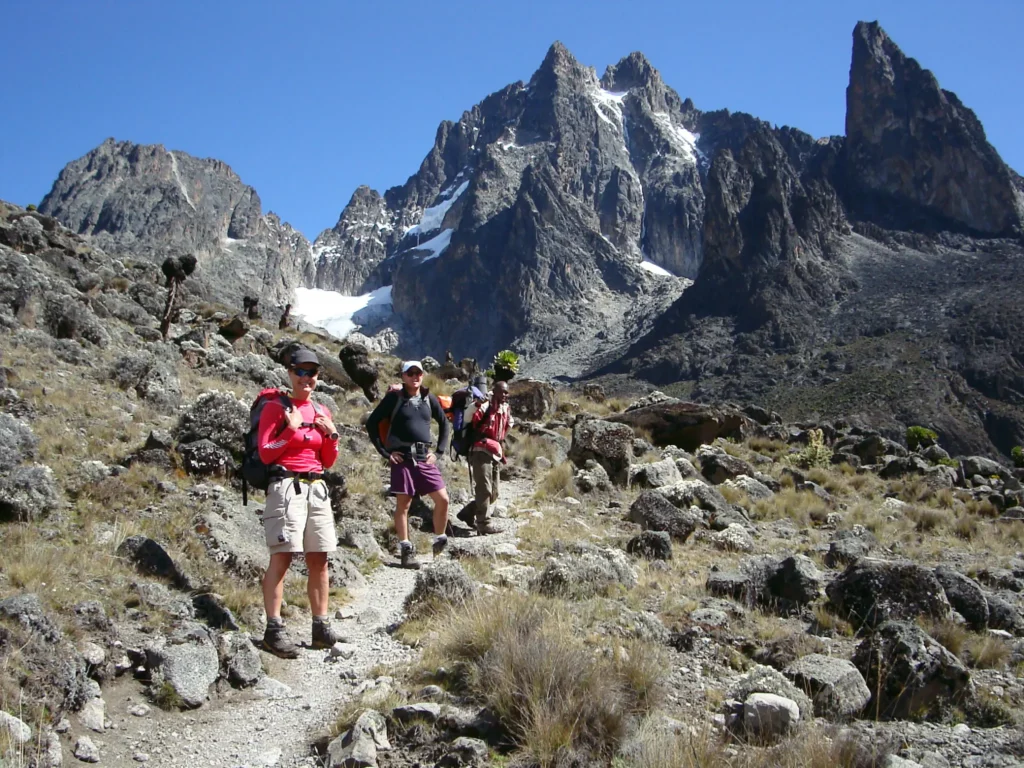
Mount Kenya, in central Kenya, is Africa’s second-highest peak at 5,199 metres, and unlike Kilimanjaro’s single dormant cone, it presents genuine geographic variety, jagged, sculpted peaks and pristine alpine lakes carved by ancient glacial activity, giving it a considerably more rugged, alpine character than Kilimanjaro’s broader, more uniform volcanic slopes.
Difficulty: A More Nuanced Comparison Than It First Appears
Kilimanjaro is generally considered a long, non-technical trek rather than a genuine climb, no ropes or technical climbing gear required on any of the standard routes, but altitude is the mountain’s central, defining challenge. Trekking routes compress nearly six vertical kilometres of ascent into as little as five to seven days, with many itineraries pushing climbers from around 3,000 metres to over 4,500 metres in just two days, a pattern that makes it genuinely difficult for the body to adjust and results in Kilimanjaro consistently reporting the highest incidence of acute mountain sickness among Africa’s major peaks, despite presenting no technical difficulty whatsoever.
Mount Kenya offers a genuinely wider range of difficulty depending on your specific objective. Reaching Point Lenana, the mountain’s trekking summit at 4,985 metres, involves some scrambling on steep sections but remains non-technical, and typically involves lower sleeping altitudes and more gradual elevation gain than Kilimanjaro, meaningfully reducing altitude sickness risk. Reaching the mountain’s true summits, Batian and Nelion, however, is an entirely different matter: genuine technical rock climbing, and often ice and glacier remnants requiring ropes and specialized gear, considerably more demanding than anything Kilimanjaro’s standard routes require.
Summit Success Rates
This is where the comparison genuinely surprises many first-time trekkers. Kilimanjaro’s overall summit success rate runs somewhere between 65 and 80 percent depending on the specific route and itinerary length chosen, driven almost entirely by altitude-related issues rather than terrain difficulty. Longer, better-acclimatized routes perform considerably better: the Lemosho route achieves close to a 95 percent success rate on its recommended seven-day itinerary, while Machame reaches roughly 93 percent on a comparable schedule. The historic Marangu route, the only one offering hut rather than tent accommodation, sees somewhat lower success, roughly 84 to 87 percent, and shorter itineraries on any route see success rates fall considerably, sometimes below 70 percent.
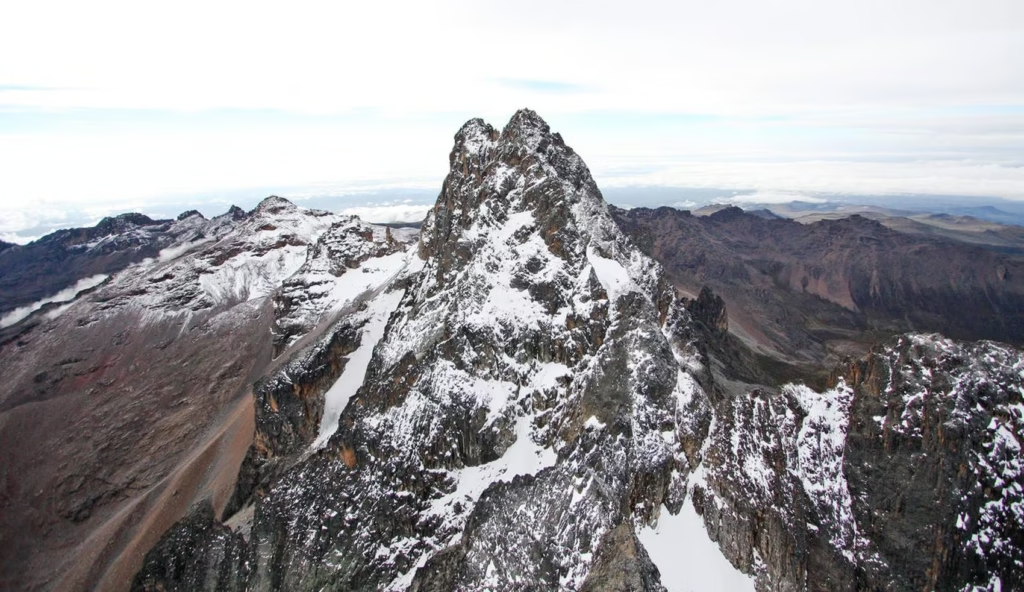
Mount Kenya’s Point Lenana summit success rate runs somewhat lower overall, often cited around 60 percent, though this figure varies considerably by source and itinerary length, and several operators report that Mount Kenya’s more gradual acclimatization profile, on well-paced five-to-six-day itineraries specifically, delivers genuinely strong odds, sometimes exceeding Kilimanjaro’s shorter-route success rates. The honest takeaway: itinerary length and pacing matter more to your actual summit odds on either mountain than which specific peak you choose.
Duration
Climbing Kilimanjaro typically takes six to eight days, with some itineraries stretching to nine days for maximum acclimatization. Reaching Point Lenana on Mount Kenya typically takes four to six days, with shorter options available for travelers not aiming for the summit itself, making Mount Kenya the considerably more time-efficient choice for travelers with a tighter overall trip schedule.
Crowds and Atmosphere
Kilimanjaro draws a genuinely significant volume of trekkers, somewhere between 30,000 and 50,000 annually, resulting in real congestion on the more popular routes, particularly Machame and Marangu, especially during peak season. Mount Kenya sees considerably fewer visitors overall, offering a genuinely more tranquil, secluded trekking experience throughout.
This distinction matters for the overall character of your climb: if you enjoy social energy, shared summit moments, and pursuing a famous, widely recognized goal, Kilimanjaro genuinely suits you well. If you prefer peaceful trails, dramatic alpine scenery, and considerably fewer fellow trekkers, Mount Kenya often feels more personal, wild, and intimate throughout.
Cost
A Kilimanjaro expedition typically runs from roughly $2,000 to $6,000 per person, depending on route, operator, group size, and itinerary length. Mount Kenya is generally somewhat less expensive for a broadly comparable experience, though costs on both mountains vary considerably based on the same factors, and choosing a longer, better-paced itinerary is almost always worth the additional cost given how directly it affects your genuine chances of a safe, successful summit on either mountain.
Head-to-Head Comparison
| Factor | Kilimanjaro | Mount Kenya |
| Height | 5,895m (Africa’s highest) | 5,199m (Africa’s 2nd highest) |
| Technical difficulty | Low (non-technical standard routes) | Low (Point Lenana) to High (Batian/Nelion) |
| Summit success rate | 65-95% (route-dependent) | ~60% (itinerary-dependent) |
| Duration | 6-8 days (up to 9) | 4-6 days |
| Crowds | High (30,000-50,000 annual trekkers) | Low, considerably more secluded |
| Cost | $2,000-$6,000 | Generally somewhat lower |
| Best for | First-timers well-prepared for altitude | Experienced trekkers, technical climbers, those wanting seclusion |
Which Mountain Should You Choose?
If your primary goal is reaching Africa’s highest point and claiming the iconic “Roof of Africa” achievement, and you’re prepared to manage genuine altitude risk through a well-paced, longer itinerary, Kilimanjaro remains the clear, obvious choice. It’s genuinely well suited to first-time high-altitude trekkers, provided you choose a route with adequate acclimatization days, Lemosho or Machame over the shorter Marangu option specifically.
If you want a comparably rewarding high-altitude experience with somewhat lower altitude sickness risk, considerably fewer crowds, and genuinely striking alpine scenery, Mount Kenya’s Point Lenana route deserves serious consideration, particularly for travelers on a tighter schedule or budget. For experienced climbers specifically seeking genuine technical challenge, Mount Kenya’s Batian and Nelion summits offer Africa’s most serious rock-climbing objective at this altitude, a considerably different proposition from anything Kilimanjaro’s standard routes present.
Climbing Both
Many experienced trekkers choose to climb both mountains, often tackling Mount Kenya first specifically as an acclimatization exercise before attempting Kilimanjaro, since Mount Kenya’s lower, more gradual altitude profile helps the body adjust ahead of Kilimanjaro’s more demanding rapid ascent. This sequencing is a genuinely sound strategy worth discussing with your operator if your itinerary and schedule allow for both climbs within a single extended trip.
What Genuinely Improves Your Odds on Either Mountain
Regardless of which mountain you choose, a handful of consistent principles improve your actual chances of a safe, successful summit: choose a longer itinerary with genuine acclimatization days rather than the cheapest, fastest option available, drink three to four litres of water daily, ascend gradually rather than rushing, and work with licensed guides offering daily health checks, a proper first-aid kit, and oxygen backup for genuine emergencies. Most climb failures on either mountain trace back to altitude sickness or an itinerary too short to allow proper acclimatization, rarely to a lack of underlying physical fitness.
Route-by-Route Breakdown: Kilimanjaro
Kilimanjaro offers eight distinct routes, and choosing between them meaningfully affects your summit odds and overall experience. Lemosho, the recommended seven-day itinerary, achieves close to a 95 percent success rate and passes Cathedral Peak on Shira Volcano and the dramatic Barranco Wall, genuinely strong scenic variety alongside its excellent acclimatization profile. Machame, similarly popular and gradual, reaches roughly 93 percent success on a seven-day schedule, passing through all of the mountain’s climate zones along the way.
The historic Marangu route, laid out in 1889 by the first climbers to summit Kilimanjaro, remains the only route offering hut rather than tent accommodation, a genuine comfort advantage, though its success rate, 84 to 87 percent, runs somewhat lower than Lemosho or Machame given its typically shorter itinerary length. The quieter Rongai route, running along the mountain’s northern slope, offers a genuinely different, less-crowded perspective with views of both Kibo and Mawenzi peaks, at a comparable 86 to 87 percent success rate on a well-paced seven-day schedule.
Route-by-Route Breakdown: Mount Kenya
Mount Kenya’s trekking routes to Point Lenana, Sirimon, Chogoria, and Naro Moru chief among them, each offer genuinely distinct scenery and acclimatization profiles. The Sirimon route, generally considered the most gradual and scenic, is frequently recommended for first-time high-altitude trekkers specifically for this reason. Chogoria, often cited as the most beautiful of the three, passes through genuinely dramatic gorge and moorland scenery, though it demands a slightly longer itinerary to properly appreciate. Naro Moru, the most direct route, offers the fastest ascent but correspondingly less time for acclimatization, making it better suited to already well-acclimatized or highly experienced trekkers rather than first-timers.
Weather and Best Climbing Seasons
Both mountains reward climbing during East Africa’s two dry seasons, roughly January through mid-March and June through October, when clearer skies, firmer trails, and better summit views coincide with the busiest periods of the year on both mountains. Outside these windows, trails can turn muddy and cloud cover more frequently obscures summit views, though prices are often lower and crowds considerably thinner, a genuine trade-off worth weighing for travelers less concerned with guaranteed clear-sky summit photographs.
Rather than choosing purely by month, travelers wanting to avoid crowds even during peak season can choose quieter routes specifically: on Kilimanjaro, the Northern Circuit or Rongai routes feel considerably less busy than Machame or Marangu even at the height of the season, while Mount Kenya’s overall lower visitor numbers mean crowding is rarely a significant concern on any of its routes regardless of timing.
What to Pack for Either Mountain
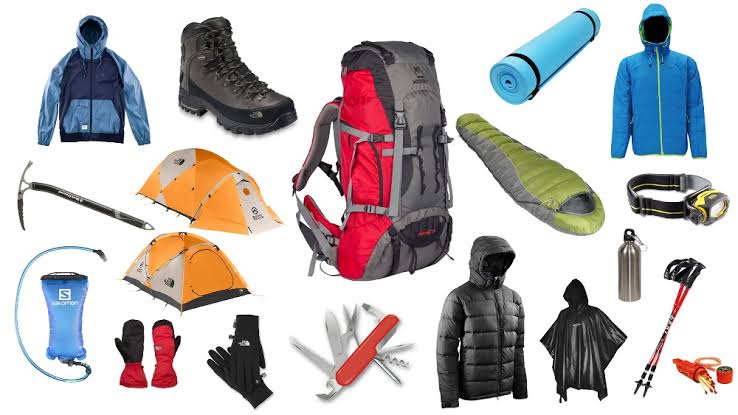
Both climbs demand genuinely serious layering given the dramatic temperature range between the base and summit, warm-weather gear for the lower forest zones through to genuinely sub-zero conditions near either summit. A four-season sleeping bag, sturdy, well broken-in hiking boots, trekking poles, a headlamp for early summit-morning starts, and gaiters for wet or muddy sections form the core equipment list for both mountains, with Mount Kenya’s technical routes additionally requiring rope, harness, and basic climbing hardware for Batian or Nelion specifically.
Frequently Asked Questions
Which is harder to climb, Kilimanjaro or Mount Kenya?
It depends on your objective. Kilimanjaro is harder in terms of altitude sickness risk given its higher summit and rapid ascent profile. Mount Kenya’s Point Lenana is generally easier on altitude grounds, but its true summits, Batian and Nelion, are considerably more technically difficult than anything on Kilimanjaro.
Which mountain has a higher summit success rate?
It varies by route and itinerary length rather than mountain alone. Kilimanjaro’s longer routes (Lemosho, Machame) can exceed 90-95%, while shorter routes on either mountain see meaningfully lower success, often below 70%.
Is Mount Kenya cheaper than Kilimanjaro?
Generally yes, for a broadly comparable trekking experience, though costs on both mountains vary considerably based on route, operator, and itinerary length.
Can I climb both mountains on the same trip?
Yes, and many experienced trekkers do, often climbing Mount Kenya first specifically for acclimatization before attempting the more demanding Kilimanjaro ascent.
Which mountain is less crowded?
Mount Kenya, by a considerable margin. Kilimanjaro draws 30,000 to 50,000 trekkers annually, resulting in real congestion on popular routes, while Mount Kenya offers a genuinely quieter, more secluded trekking experience.