Saruni Samburu | Kalama Conservancy, Kenya
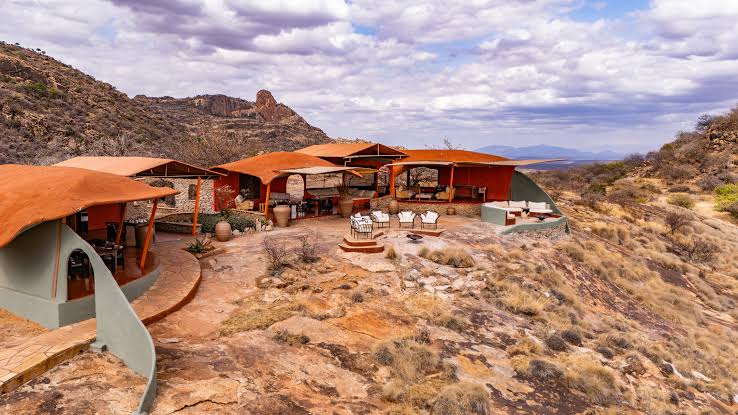
Perched atop a granite ridge in the Kalama Mountains, Saruni Samburu looks out across the plains of Kenya’s remote north all the way to the snow-capped summit of Mount Kenya on the southern horizon. Since opening in 2008, this small, Italian-owned lodge has become the most consistently rated property in the entire Samburu ecosystem, and it holds a claim to history: it was the first commercial lodge built inside the community-owned Kalama Wildlife Conservancy, a model that changed how conservation is funded across northern Kenya.
Saruni Samburu is added to the itineraries for clients who want Kenya’s remote north done properly, community ownership, a distinctive species list found nowhere else in the country, and a level of design and hospitality that matches anything in the Mara, without the crowds, and it remains the only lodge in any northern Kenya conservancy with a formal spa facility of its own.
The Conservancy That Saruni Helped Build
The Kalama Community Wildlife Conservancy was established by roughly 7,500 Samburu landowners who agreed to set aside a substantial share of their communal grazing land, variously reported at between 150,000 and 240,000 acres depending on the current boundary, for wildlife rather than livestock. In exchange, Saruni Samburu pays an annual conservancy fee to the community trust, which distributes the funds toward schools, boreholes, veterinary services, and ranger salaries.
As the first lodge to sign that agreement, Saruni Samburu effectively proved the economic case for the entire conservancy model in this region: today, more than 200 community rangers patrol Kalama’s boundaries, and poaching incidents have fallen sharply since the conservancy’s founding.
Kalama sits under the umbrella of the Northern Rangelands Trust, the same organization whose network has helped transform community-based conservation across northern Kenya, and the conservancy remains the sole source of tourism income for the Samburu communities who own and steward this land. The lodge currently holds a Gold rating from the Ecotourism Society of Kenya and runs on solar power, a further reflection of the sustainability principles built into the property from the start.
Six Villas Carved Into the Rock
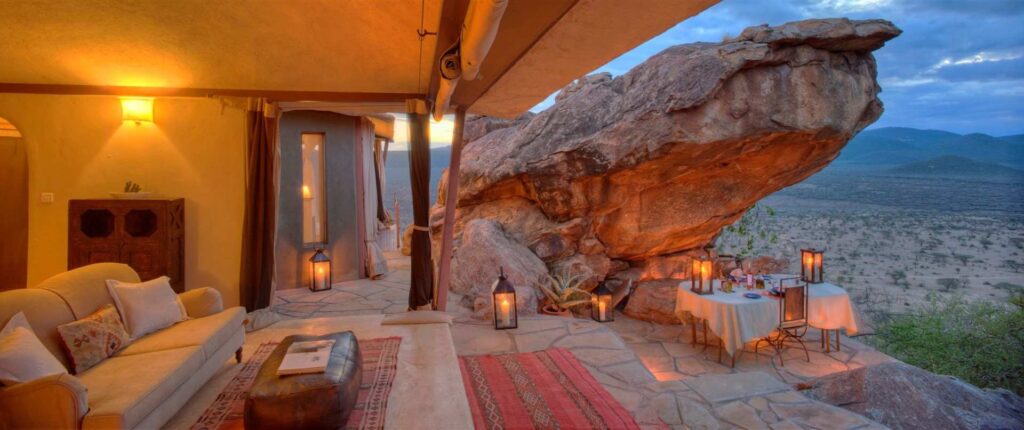
Saruni Samburu holds exactly six guest villas, built into and around a volcanic rock face high on the ridge, an architectural approach that gives the lodge a striking, almost sculptural quality rare among East African safari camps. Two are single villas, one with a double bed and one with a twin configuration that converts to a double, each with an en-suite bathroom, dressing room, and a spacious living, dining, and veranda area.
The remaining four are family villas, two with a single shared entrance and a common lounge and dining area serving both en-suite bedrooms, and two with separate entrances that can be booked either as one combined unit or as two fully independent villas, giving families flexibility depending on how much privacy each party wants.
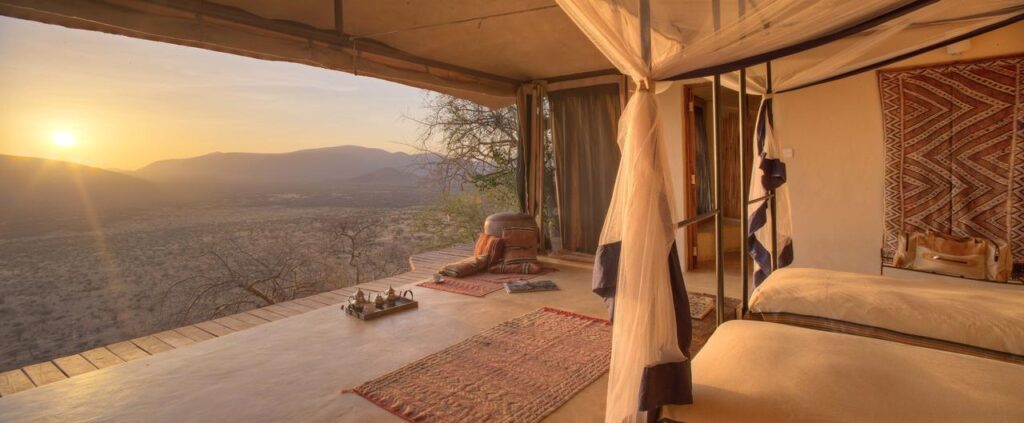
Every villa is built as an open-fronted stone structure, closed at night with canvas and mesh netting rather than solid walls, an approach that keeps the connection to the surrounding wilderness constant while still ensuring privacy and security after dark.
Design draws on classical North African and Middle Eastern interior themes layered over rustic local stone and Samburu textiles woven in colours drawn directly from the volcanic rock and the red Samburu shuka cloth, and the honeymoon villa specifically claims the one position on the cliff where both the Matthews Range to the north and the Ewaso Nyiro valley to the south are visible simultaneously from the bed. One villa sits close enough to the main lodge for direct vehicle access, while the rest are reached by walking along sometimes steep pathways, worth noting for guests with limited mobility.
Amenities
Saruni Samburu maintains two separate infinity pools at different elevations along the cliff, the first just below the main lounge and reached by a well-maintained red stone pathway, its unusual shape echoing the curves of the surrounding rock, and the second a five-minute walk further along the ridge, equipped with its own changing room and toilets.
The Samburu Wellbeing Space, developed in collaboration with the Italian Grand Hotel Des Iles Borromees, offers an extensive spa menu blending traditional Samburu treatments with more conventional therapies, and guests typically receive a complimentary neck and shoulder massage at some point during their stay.
The lodge’s kitchen leans firmly into its Italian ownership, with a strong Italian character running through the menu alongside fresh local ingredients and herbs, and the chef is happy to prepare a fully bespoke menu for specific dietary needs.
A single long communal dining table anchors the main lodge area and encourages conversation between guests, a deliberate design choice that gives Saruni Samburu a warmer, more social atmosphere than properties built around private tables alone, though dining in your own villa or by the pool can certainly be arranged.
A well-stocked shop sells locally crafted beadwork and jewellery, with proceeds channeled back into the surrounding community, and Wi-Fi is available in the main lounge, where a telescope is also kept on hand for clear-night stargazing.
Wildlife and Culture in Equal Measure
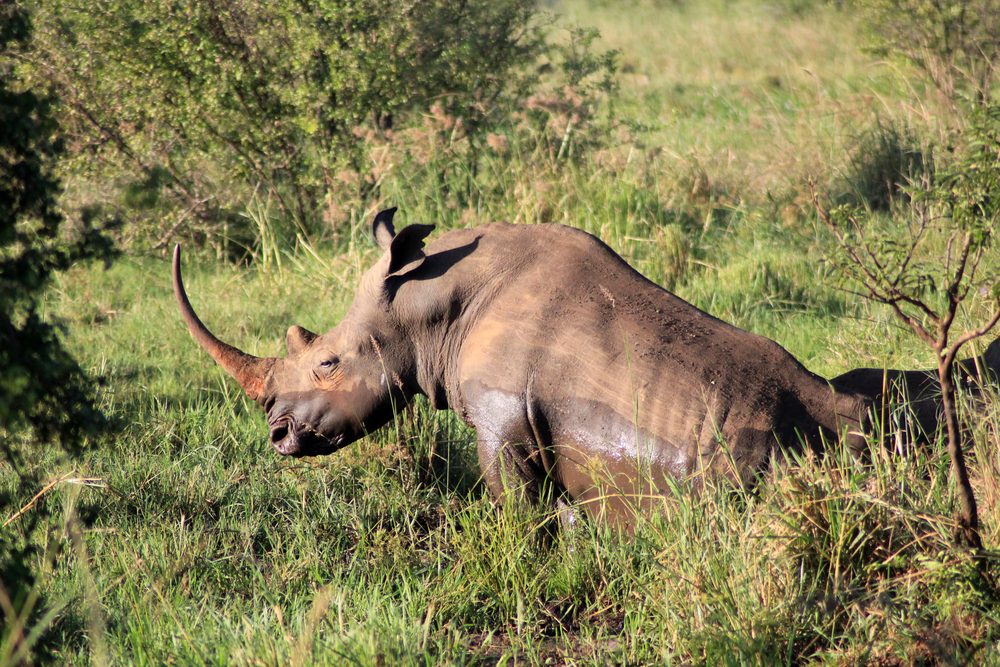
Saruni Samburu offers both morning and evening game drives across the conservancy and into neighboring Samburu National Reserve, with opportunities to spot the “Samburu Special Five”, Grevy’s zebra, reticulated giraffe, Somali ostrich, gerenuk, and beisa oryx, species found in this specific ecosystem and rarely seen elsewhere in Kenya. This distinctive species list is a major part of the appeal for repeat Kenya visitors who’ve already covered the Mara’s Big Five circuit and want a different wildlife checklist on a return trip.
Because the conservancy permits activities the national reserve does not, guests here can also join guided walking safaris with a Samburu guide, night drives, rock climbing directly on the property’s own cliff face, and a private hide positioned by the waterhole below the lodge, a sunken vantage point purpose-built for photographers and birders wanting close, undisturbed views of elephant and other visiting wildlife.
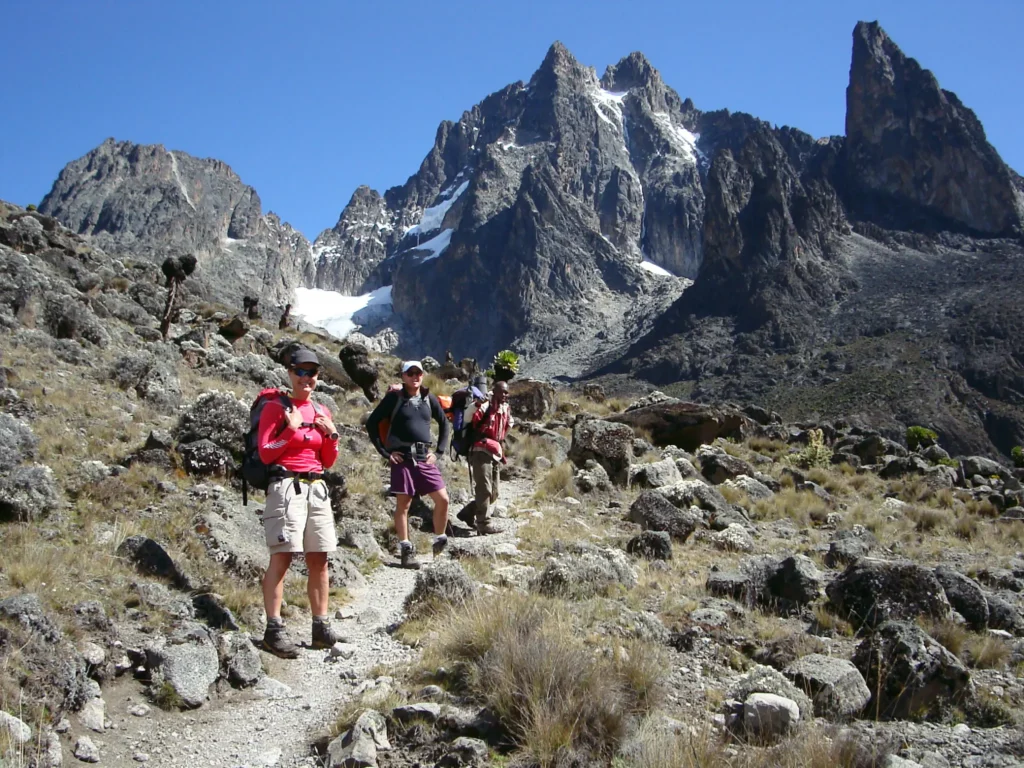
Further afield, guests can hike Mount Ololokwe, a mountain held sacred by the Samburu people, visit the Reteti Elephant Sanctuary, Africa’s first community-owned and run elephant orphanage; or take a helicopter excursion over Mount Kenya. Families traveling with children can join the lodge’s dedicated Warriors’ program, a hands-on introduction to Samburu tracking and bush skills designed specifically for younger guests, alongside visits to a nearby, authentic Samburu village.
Cultural visits offer , unstaged insight into a pastoralist way of life that has adapted over generations to this specific, demanding landscape, and the lodge’s Samburu-led guiding team brings deep local knowledge to every outing, often drawing on family and community connections stretching back generations in this exact area.
Best Time to Visit
Northern Kenya’s dry seasons, roughly June through October and January through March, offer the clearest game viewing as wildlife concentrates around the Ewaso Nyiro River and Samburu’s remaining water sources. As with most of Kenya’s savanna regions outside the Mara, this timing is governed by general seasonal water and grazing patterns rather than a single migration event.
The wetter months bring a lush transformation to what is normally a dry, semi-arid landscape, along with lower rates and excellent birdlife, though some of the more remote walking and cultural excursions may be adjusted depending on conditions. Temperatures at Samburu run hot for much of the year, regularly exceeding 90°F (32°C) even outside the driest months, so travelers sensitive to heat should factor this into their packing and pacing regardless of season.
Given Samburu’s year-round appeal and the lodge’s small size, booking several months ahead remains sensible regardless of season, particularly for the honeymoon-focused villa on the cliff’s promontory point.
Why It’s Worth the Price
Saruni Samburu sits in Kenya’s upper-middle luxury tier, offering exceptional value given its combination of striking, individually designed accommodation, a distinctive and rarely seen wildlife list, and a direct, well-established connection to community conservation.
Six-night, all-inclusive honeymoon packages here run from roughly $4,995 per couple, including a two-villa upgrade, private dining options, and spa treatments, a ly competitive rate given the level of exclusivity and design on offer.
For travelers seeking Kenya’s north at its most remote, most authentic, and most quietly luxurious, Saruni Samburu remains a pioneer, and by most measures, still the benchmark other Samburu camps are measured against.