Dry Season vs Wet Season Safari: Which Is Actually Better for You?
Dry Season vs Wet Season Safari; Nearly every general safari guide recommends the dry season without much nuance, and while there are genuine, well-founded reasons for this default advice, it doesn’t mean the wet season is simply a worse time to travel.
The two seasons deliver meaningfully different experiences, not just a better and a worse version of the same trip, and understanding what specifically changes, wildlife concentration, scenery, cost, comfort, and photography conditions, helps travellers make a genuinely informed choice rather than defaulting to conventional wisdom without knowing why.
This guide breaks down exactly what differs between dry and wet season safaris in East Africa, where the dry season’s advantages are genuinely significant and where the wet season offers real, underappreciated benefits of its own.
Why the Dry Season Is the Default Recommendation
The dry season’s core advantage is straightforward: as vegetation dries and thins and temporary water sources disappear, wildlife concentrates predictably around permanent rivers and waterholes, making animals both easier to find and easier to see clearly against thinner cover.
This is a genuine, significant advantage for travellers whose primary goal is maximising wildlife sightings, particularly for first-time visitors who want the most straightforward, reliable experience.
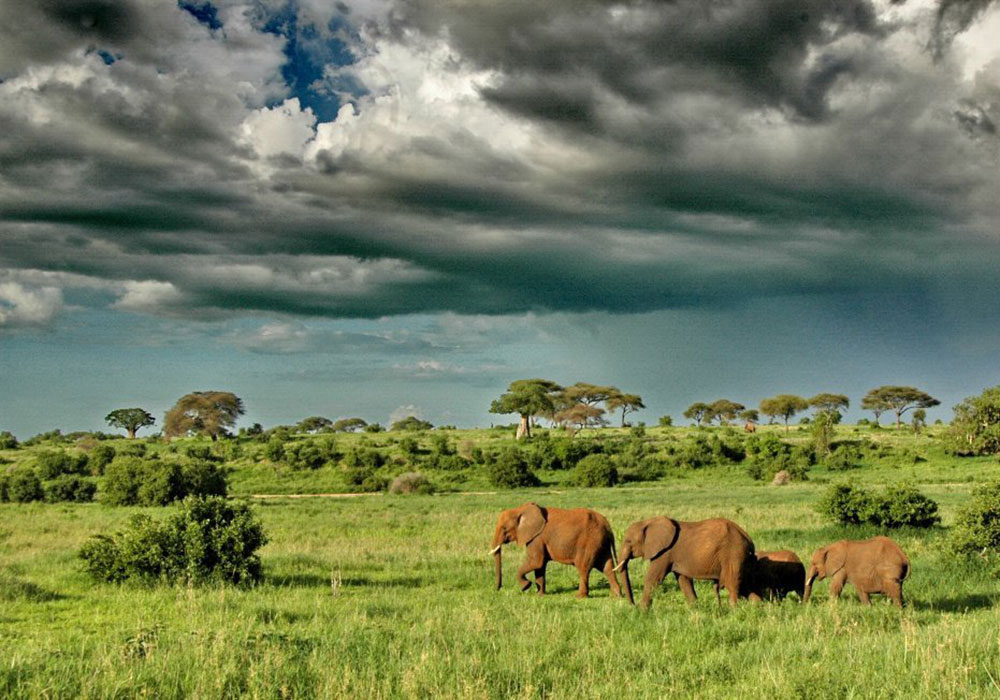
That said, ‘better’ depends entirely on what you’re optimising for. The wet season offers lush, dramatically green scenery, newborn wildlife during specific calving periods, dramatically lower accommodation rates, fewer other visitors at popular sightings, and, for photographers specifically, more atmospheric light and cloud formations than the dry season’s often harsher, more uniform conditions.
What Genuinely Changes Between the Two Seasons
Wildlife visibility and concentration is the dry season’s clearest advantage. As temporary water sources dry up, animals gather predictably around the remaining permanent rivers and waterholes, and thinning vegetation improves sightlines considerably.
This combination makes dry season game drives more consistently productive, particularly for travellers with limited time who can’t afford several unproductive drives while waiting for a good sighting.
Scenery and photography conditions favour the wet season more than most travellers expect. The landscape turns genuinely lush and green, a striking contrast to dry season’s brown, dusty plains, and the sky itself becomes more interesting, dramatic cloud formations and occasional rainbow light rather than the flat, harsh clarity typical of extended dry periods. Many experienced wildlife photographers specifically prefer wet season light for this reason, even accepting the trade-off of more dispersed wildlife.
Cost and crowding shift substantially between seasons. Wet season accommodation rates, particularly during the long rains from March through May, often drop significantly below dry season peak pricing, and popular sightings and viewpoints see considerably fewer vehicles, giving a more solitary, personal wildlife encounter even when sightings do occur.
Comfort and logistics genuinely favour the dry season. Road conditions deteriorate during the rains, sometimes significantly, and some remote camps or roads become genuinely difficult or temporarily inaccessible. Daily rain, while often limited to short afternoon showers rather than all-day downpours, can interrupt game drive plans and requires appropriate gear.
Dry Season vs Wet Season at a Glance
Here is a direct comparison of what genuinely changes between the two seasons.
| Factor | Dry Season | Wet Season |
| Wildlife visibility/concentration | High; animals gather at permanent water, thin vegetation | Lower; wildlife more dispersed across the landscape |
| Scenery | Brown, dusty, dramatic in its own way | Lush, green, more dramatic skies |
| Cost | Highest of the year, especially peak months | Significantly lower, especially long rains (Mar-May) |
| Crowding | Higher, especially at popular sightings | Considerably lower |
| Road/logistics difficulty | Easier; firm roads | More difficult; some roads become challenging |
| Birdlife | Good resident species viewing | Often better; migrant birds present, breeding displays |
How the Seasonal Trade-Off Plays Out by Destination
Different East African destinations experience this trade-off to different degrees, and understanding destination-specific nuance improves the decision.
Masai Mara and Serengeti
Dry season here specifically coincides with the migration’s crossing season (Mara) or overlaps with the year-round resident wildlife plus occasional dry-season concentration (Serengeti), making the dry season advantage particularly pronounced at these two destinations specifically.
Ngorongoro Crater
Given its contained ecosystem with permanent water, Ngorongoro is less seasonally affected than open savannah parks, offering strong wildlife viewing across both seasons with less dramatic difference than elsewhere.
Gorilla and Chimp Trekking Regions
Rainforest environments like Bwindi, Nyungwe and Kibale receive significant rainfall even during the nominal ‘dry’ season, meaning the dry-versus-wet distinction matters less here than at savannah parks, though trail conditions genuinely do become more difficult during the wettest months.
Southern Tanzania (Ruaha, Nyerere)
The dry season advantage is particularly pronounced here given the parks’ semi-arid character, with wildlife concentrating dramatically around the remaining rivers as the dry season progresses.
East Africa’s Seasonal Calendar in Detail
Understanding the specific months within each broad season helps refine planning further, since ‘dry season’ and ‘wet season’ aren’t single blocks but have their own internal variation.
| Period | Months | Character |
| Long dry season | June – October | Peak wildlife concentration; highest cost and crowding |
| Short dry season | December – February | Strong wildlife viewing; includes Serengeti’s calving season |
| Long rains | March – May | Lowest cost; most dramatic scenery change; most challenging logistics |
| Short rains | November | Moderate; transitional conditions, often lighter rainfall than the long rains |
The Cost Difference Between Seasons
Season is one of the single largest cost levers available to a safari traveller, and understanding the scale of this difference helps weigh it against the wildlife-viewing trade-off.
Long rains (lowest cost) — Significantly below peak dry season rates
Accommodation rates during March through May often drop substantially below peak pricing, representing the single largest seasonal cost-saving opportunity in East African safari planning.
Short rains/shoulder season — Moderate savings over peak season
November offers a reasonable middle ground, with meaningful savings over peak pricing without the most challenging logistics of the long rains.
Peak dry season — Highest cost of the year
June through October and the December-February window command the highest rates given concentrated demand and the migration crossing season specifically.
How Season Affects Accommodation Specifically
Beyond rate differences, season affects the accommodation experience itself in a few practical ways.
| Consideration | Dry Season | Wet Season |
| Rate | Highest of the year | Significantly reduced, especially long rains |
| Availability | Books out further ahead, especially luxury properties | Considerably more availability, even close to travel dates |
| Physical condition | Dusty conditions; some camps very dry | Lush surroundings; some minor rain-related maintenance possible |
How Season Affects Specific Activities
Beyond general game drives, several specific activities are meaningfully affected by season.
Gorilla and Chimp Trekking
Trekking is possible year-round, but trail conditions become genuinely more demanding during the wettest months, and travellers with mobility concerns should specifically favour the drier windows for this activity.
Hot Air Balloon Safaris
Weather-dependent regardless of season, though the dry season’s generally more stable conditions mean fewer weather-related cancellations.
Birdwatching
Often genuinely better during the wet season across much of the region, given the arrival of Palearctic migrants and breeding displays among resident species, making this one of the clearest wet-season advantages for a specific traveller interest.
Walking Safaris
Generally reduced or paused during the wettest months given difficult trail conditions, particularly in Tanzania’s southern circuit parks where walking is a primary activity.
| Activity | Better Season | Why |
| Standard game drives | Dry season | Concentrated, more visible wildlife |
| Gorilla/chimp trekking | Dry season (though possible year-round) | Easier trail conditions |
| Birdwatching | Wet season | Migrant species present; breeding displays |
| Walking safaris | Dry season | Trail conditions genuinely more difficult when wet |
Deciding Which Season Suits Your Trip
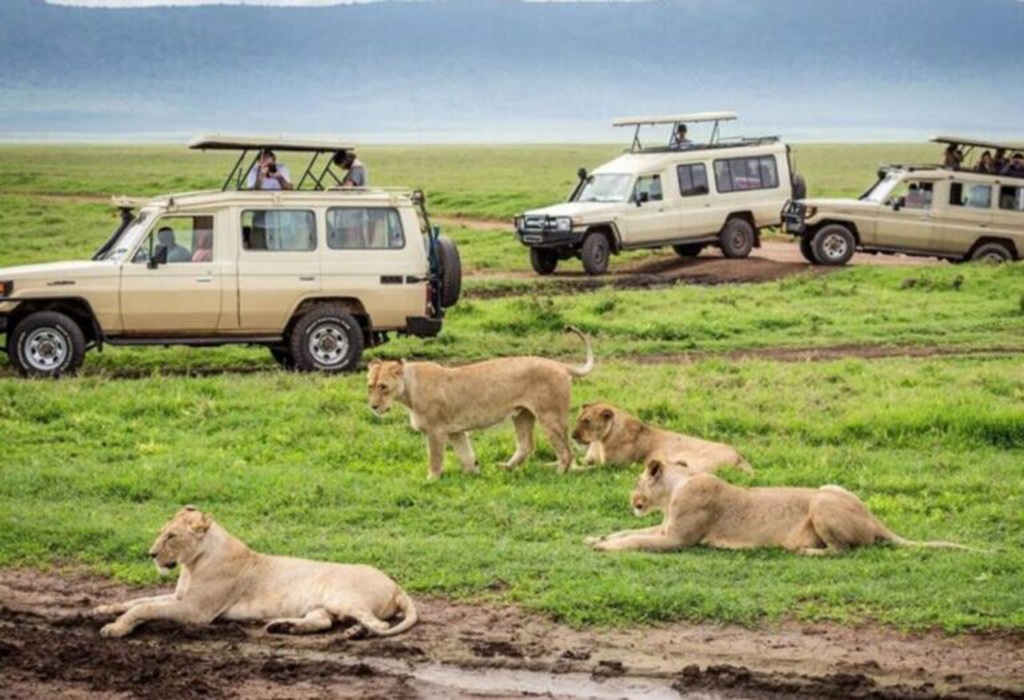
If this is your first safari and you have limited time, the dry season’s reliability genuinely reduces the risk of a disappointing, low-sighting trip, making it the sensible default for most first-time visitors. If you have more flexibility, a genuine interest in photography or birding, or a tighter budget, the wet season offers real, underappreciated advantages worth serious consideration rather than automatic dismissal.
A middle path worth considering, if your dates allow it, is travelling right at the edges of the traditional dry season rather than deep within either the peak or the wettest months. Early June and late October, for example, often retain much of the dry season’s wildlife concentration benefit while carrying somewhat lower rates and fewer crowds than the core July-September window. Similarly, early December can offer good conditions before the busiest holiday period fully sets in.
These shoulder windows rarely get the same attention as the clearly defined dry and wet seasons but frequently represent the best overall value for travellers who want most of the dry season’s reliability without paying peak prices or fighting peak crowds.
It’s also worth discussing your specific dates with an operator who has current, on-the-ground knowledge of how that particular year’s rains have behaved, since rainfall patterns don’t always follow the average calendar precisely, and a late or early start to the rains in a given year can shift the practical dry-wet boundary by several weeks in either direction.
Recommendations by Traveller Priority
Here is a direct guide to which season best matches specific traveller priorities.
| Priority | Recommended Season | Why |
| First safari, limited time, wants reliable sightings | Dry season | Most concentrated, predictable wildlife viewing |
| Tight budget, flexible dates | Long rains (Mar-May) | Significantly lower accommodation costs |
| Photography and dramatic scenery | Wet season | Green landscapes, dramatic skies, fewer other vehicles |
| Birdwatching specifically | Wet season | Migrant species and breeding displays |
Frequently Asked Questions
Is the wet season a bad time to go on safari?
No, it offers genuinely different advantages, lower cost, lush scenery, fewer crowds, and often better birdwatching, even though wildlife is more dispersed than during the dry season.
How much cheaper is a wet season safari?
Significantly, particularly during the long rains from March through May, when accommodation rates often drop substantially below peak dry season pricing.
Does it rain all day during the wet season?
Generally no, rainfall is often concentrated in shorter afternoon showers rather than continuous all-day rain, though this varies and some days can see more sustained rainfall.
Which season is better for gorilla trekking specifically?
The dry season offers easier trail conditions, though trekking is possible year-round and rainforest environments receive rainfall even during the nominal dry season.
Are there good shoulder-season windows that offer the best of both seasons?
Yes, the very start and end of the traditional dry season, such as early June or late October, often retain much of the dry season’s wildlife concentration while offering somewhat lower rates and fewer crowds than the core peak months.