Amboseli vs Tsavo: Which Kenyan Park Should You Prioritize?
Amboseli vs Tsavo; Amboseli and Tsavo sit in the same general southern Kenya region and both deliver strong elephant viewing, but beyond that shared headline they offer genuinely different experiences: Amboseli is compact, efficient and built almost entirely around its iconic Kilimanjaro backdrop, while Tsavo, split into East and West, is vastly larger, considerably less crowded, and rewards a slower, more exploratory approach. Choosing between them, or deciding how to combine both, depends on what specifically you’re looking for beyond simply ‘elephants.’
This guide compares Amboseli and Tsavo directly across the factors that matter most, scenery, wildlife density, crowding, cost and logistics, and works through which one, or which combination, best fits different traveller priorities.
The Core Difference: Iconic Efficiency vs Genuine Wilderness
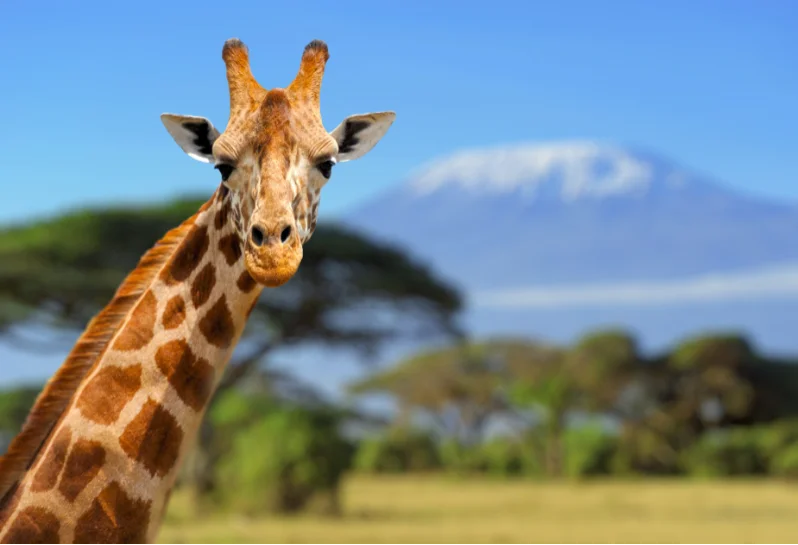
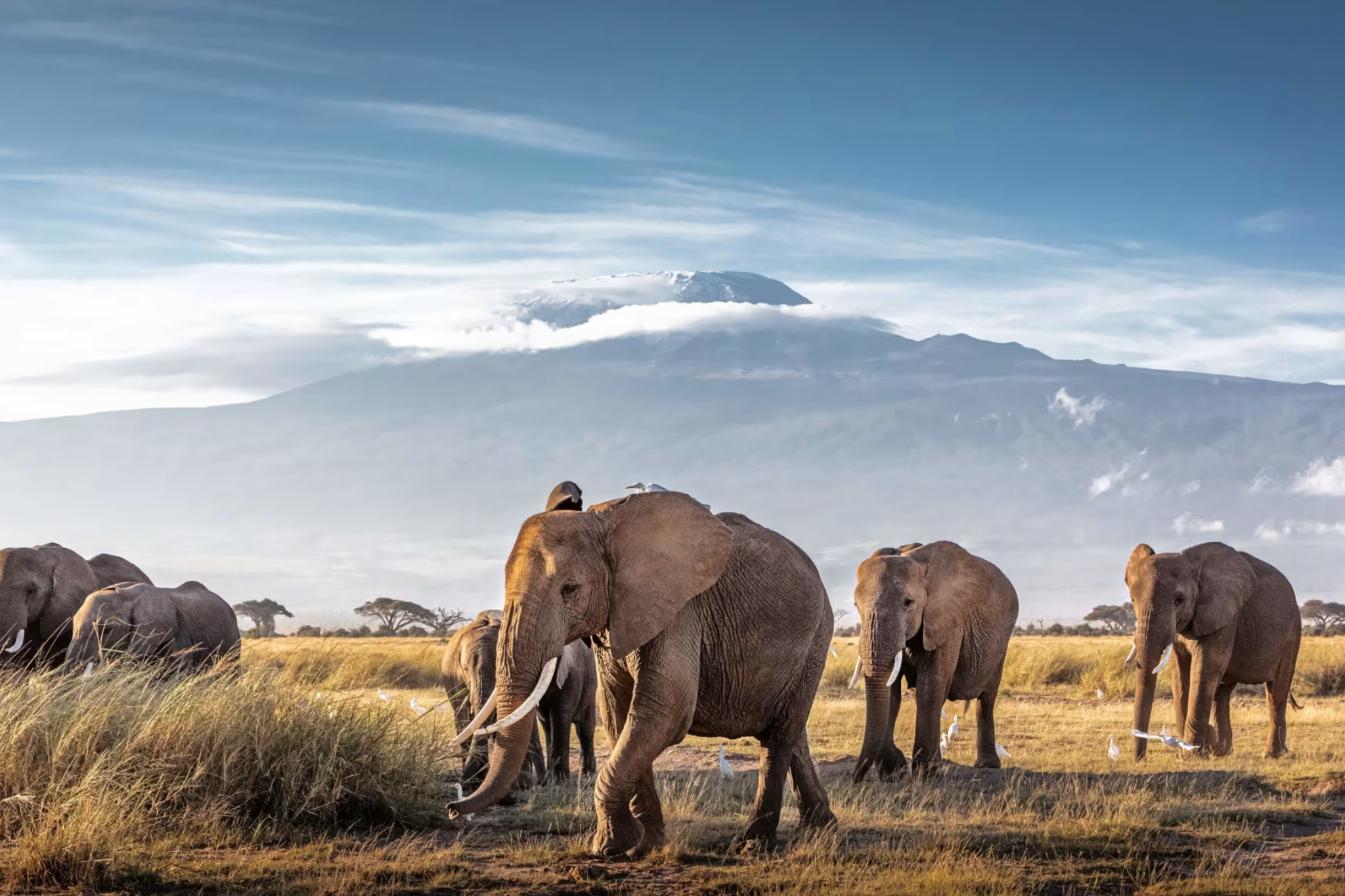
Amboseli’s entire reputation rests on one specific, extraordinarily reliable composition: large elephant herds moving across open plains with Mount Kilimanjaro rising dramatically behind them, best captured in the clear light of early morning. It’s a compact park, easily covered in two to three days, with a high concentration of elephants and generally excellent, consistent sightings given the park’s more open terrain.
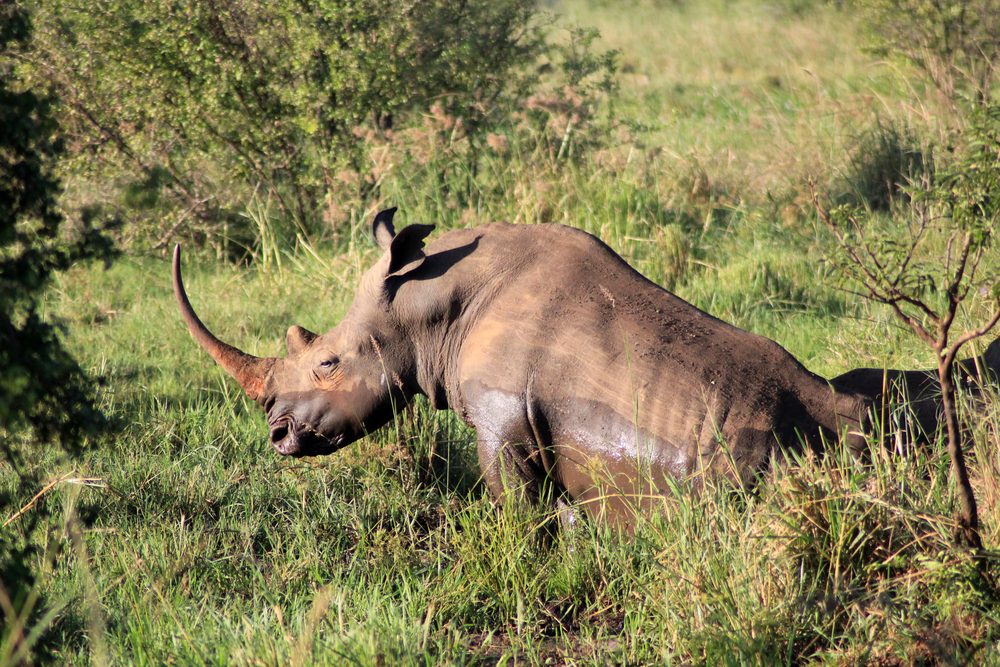
Tsavo, by contrast, is Kenya’s largest protected area by a significant margin, split into Tsavo East and Tsavo West, and it offers a genuinely different character: a red-dusted landscape (a result of the region’s distinctive soil staining the elephants’ skin), considerably lower visitor density even during peak season, and a more varied terrain including volcanic hills, natural springs and baobab-studded plains. What it doesn’t offer is Amboseli’s specific Kilimanjaro backdrop or quite the same concentrated, easy elephant viewing.
Comparing Scenery, Wildlife and Crowding in Detail
Amboseli’s landscape is dominated by its swamps and seasonal lake bed, Lake Amboseli, which draw wildlife reliably even during dry periods, concentrating elephant, buffalo and a range of plains game within easily accessible viewing distance of most camps. The park’s open, relatively flat terrain also means sightings tend to happen at good visible distance, favourable for photography, rather than being obscured by dense vegetation.
Tsavo’s scale works against the same kind of concentrated, easy viewing that makes Amboseli so reliable, but it delivers genuine variety in exchange: Tsavo West’s Mzima Springs offers underwater viewing of hippo and fish through a submerged viewing chamber, unique in Kenya, while Tsavo East’s vast, open Yatta Plateau and the Galana River support significant elephant and lion populations across a genuinely wild, less-manicured landscape.
Crowding is one of the most meaningful practical differences. Amboseli national park, given its compact size and iconic reputation, sees considerably higher vehicle density at its best viewpoints, particularly during peak season mornings when photographers converge on the same spots for the Kilimanjaro shot. Tsavo’s sheer size means even reasonably good sightings rarely attract the same concentration of vehicles, giving a more solitary, personal wildlife encounter.
Amboseli vs Tsavo at a Glance
Here is a direct comparison of the two parks across the factors that matter most.
|
Factor |
Amboseli |
Tsavo (East and West) |
|
Park size |
Compact; ~390 sq km |
Vast; combined ~22,000 sq km, Kenya’s largest protected area |
|
Signature feature |
Elephant herds with Kilimanjaro backdrop |
Red elephants, Mzima Springs, varied volcanic terrain |
|
Crowd levels |
Higher, especially at prime viewpoints |
Considerably lower even during peak season |
|
Ideal visit length |
2-3 days |
3-4+ days given the park’s scale |
|
Photography value |
Extremely high for the specific Kilimanjaro composition |
Good general wildlife photography; less one singular iconic shot |
|
Distance from Nairobi |
~4 hours by road, 20 min flight |
~4-5 hours by road, ~1 hour flight |
What Each Park Specifically Offers
What follows covers the specific strengths of each park in more depth.
Amboseli’s Elephant Research and Swamp Ecosystem
Amboseli holds one of Africa’s longest-running elephant research projects, giving genuine behavioural depth to what’s already an exceptional wildlife encounter. The park’s swamps remain productive even in dry conditions, drawing elephant, buffalo, and a wide range of plains game reliably throughout the year.
Tsavo West’s Mzima Springs and Volcanic Landscape
Mzima Springs offers a genuinely unique activity in Kenya, an underwater viewing chamber allowing visitors to watch hippo and fish beneath the surface. Tsavo West’s broader landscape, shaped by relatively recent volcanic activity, includes the Shetani Lava Flow and considerable topographic variety absent from Amboseli’s flatter terrain.
Tsavo East’s Scale and the Yatta Plateau
Tsavo East’s vast, open plains and the world’s longest lava flow, the Yatta Plateau, support significant elephant and lion populations across a genuinely wild, less-visited landscape, with the Galana River providing a reliable water source and wildlife concentration point.
Best Time to Visit Each Park
Both parks follow Kenya’s broader seasonal pattern, with the dry season offering the strongest wildlife concentration at both, though Amboseli’s Kilimanjaro views specifically benefit from particular timing given cloud cover patterns around the mountain.
|
Season |
Months |
Amboseli Considerations |
Tsavo Considerations |
|
Long dry season |
June – October |
Strong wildlife concentration; some afternoon cloud around Kilimanjaro |
Best wildlife viewing; drier river levels concentrate animals |
|
Short dry season |
December – February |
Often the clearest Kilimanjaro views, especially at dawn |
Good conditions |
|
Rainy seasons |
March-May, November |
More cloud cover around Kilimanjaro; wildlife more dispersed |
Lush scenery; wildlife more dispersed |
Cost Comparison Between the Two Parks
Both parks offer a range of accommodation tiers, though Amboseli’s proximity to Nairobi and its iconic status tend to support a somewhat higher-priced premium accommodation sector than Tsavo’s more remote, lower-key positioning.
Budget visit to either park — Comparable costs; public campsites and budget lodges available at both
Neither park carries a significant cost premium over the other at the budget tier, making this decision more about experience than price at this level.
Mid-range and luxury Amboseli — Slightly higher given proximity to Nairobi and iconic status
Amboseli’s premium properties, positioned specifically for the Kilimanjaro view, often command a modest premium over comparable Tsavo properties.
Mid-range and luxury Tsavo — Generally slightly more accessible pricing for comparable quality
Tsavo’s lower overall visitor volume and less iconic marketing positioning translates to somewhat more accessible pricing at equivalent quality tiers.
Accommodation in Each Park
Both parks offer meaningful choice across budget tiers, with specific standout properties at each.
|
Park |
Budget Option |
Luxury Option |
|
Amboseli |
Public campsites, Amboseli Sopa Lodge |
Tortilis Camp, ol Donyo Lodge |
|
Tsavo West |
Budget lodges, campsites |
Finch Hattons, Severin Safari Camp |
|
Tsavo East |
Budget lodges, campsites |
Galdessa Camp, Satao Camp |
Activities That Distinguish Each Park
Beyond standard game drives, each park offers some genuinely distinctive activities worth factoring into your decision.
Amboseli: Photography-Focused Game Drives
Given the park’s specific reputation, many visitors structure their entire Amboseli stay around dawn game drives timed for the clearest possible Kilimanjaro views and the most favourable light for elephant photography.
Amboseli: Maasai Community Visits
The area surrounding Amboseli has a strong Maasai cultural presence, and well-organised community visits offer genuine insight into traditional pastoralism alongside the wildlife-focused itinerary.
Tsavo West: Mzima Springs Underwater Viewing
A genuinely unique activity in Kenya, walking to the underwater viewing chamber to observe hippo and fish from below the surface.
Tsavo East: Extended Game Drives Across Open Plains
The park’s scale rewards longer, more exploratory game drives across genuinely varied terrain, rather than the shorter, more concentrated drives that suit Amboseli’s compact layout.
Tsavo: Rock Climbing and Walking Options at Select Camps
A handful of camps in Tsavo, given the park’s more varied topography, offer guided walking or short rock scrambles near distinctive outcrops, an activity type not generally available at Amboseli’s flatter terrain.
|
Activity |
Park |
Why It’s Distinctive |
|
Dawn Kilimanjaro photography drives |
Amboseli |
The park’s single most iconic and reliable photographic opportunity |
|
Maasai community visits |
Amboseli area |
Strong local cultural presence around the park |
|
Mzima Springs underwater viewing |
Tsavo West |
A genuinely unique wildlife-viewing activity in Kenya |
|
Extended open-plains game drives |
Tsavo East |
Rewards exploration given the park’s genuine scale |
Should You Visit Both?
For travellers with enough time, combining Amboseli and Tsavo within a single southern Kenya circuit is entirely feasible, given their relative proximity to each other and to Nairobi, and it delivers genuine variety: Amboseli’s iconic efficiency followed by Tsavo’s uncrowded scale.
For travellers who must choose one, the decision comes down to priorities: choose Amboseli if the specific Kilimanjaro-elephant photograph and an efficient, concentrated visit matter most; choose Tsavo if you’d rather trade that iconic certainty for a larger, quieter, more exploratory wilderness experience.
A sensible sequencing for a combined visit is Amboseli first, Tsavo second, since Amboseli’s shorter, more concentrated itinerary works well as an introduction before moving on to Tsavo’s larger, slower-paced exploration.
The road connection between the two, via Voi, is manageable within a single travel day, making a combined circuit logistically straightforward rather than requiring a flight or lengthy detour. Travellers approaching from the coast, Diani or Mombasa specifically, will also find Tsavo considerably more convenient to reach en route than Amboseli, which sits further west and closer to the Tanzania border, a detail worth factoring in if your broader itinerary includes a coastal extension either before or after the safari portion.
Recommendations by Traveller Priority
Here is a direct guide to which park best matches specific traveller priorities.
|
Priority |
Recommended Park |
Why |
|
The iconic elephant-Kilimanjaro photograph |
Amboseli |
The definitive location for this specific composition |
|
Avoiding crowds |
Tsavo |
Considerably lower visitor density given the park’s scale |
|
Shorter trip (2-3 days) |
Amboseli |
Compact size suits an efficient, focused visit |
|
Longer trip with room to explore |
Tsavo |
Rewards a slower pace and more extensive exploration |
|
Wanting both experiences |
Combine both in a single southern Kenya circuit |
Genuine complementary variety within reasonable travel distance |
Frequently Asked Questions
Which park is better for photography, Amboseli or Tsavo?
Amboseli offers the single most reliable and iconic photographic composition in Kenya, the elephant-and-Kilimanjaro shot. Tsavo offers good general wildlife photography across a more varied landscape but without one singular iconic image to build a visit around.
Is Tsavo less crowded than Amboseli?
Yes, considerably, given Tsavo’s much larger size relative to its visitor numbers, while Amboseli’s compact, iconic status draws higher vehicle density at its best viewpoints.
Can I see Kilimanjaro from Tsavo?
Not with the same clear, close backdrop that defines Amboseli’s specific reputation. Tsavo’s landscape and vantage points don’t offer the same iconic mountain composition.
How many days should I spend in each park?
Two to three days is generally sufficient for Amboseli given its compact size. Tsavo, given its much larger scale, rewards three to four days or more to genuinely explore both Tsavo East and West.
Is Tsavo suitable for a first-time Kenya safari, or is Amboseli better for beginners?
Amboseli is often considered the easier introduction, given its compact layout and consistently reliable sightings that reward even a short stay. Tsavo suits travellers who already have some safari experience and specifically want a quieter, more exploratory feel, or those with enough time to properly appreciate its scale on a first visit.