Renting a Car for a Self Drive Safari in Kenya: What You Need to Know
Renting a Car for a Self Drive Safari in Kenya; Kenya is one of the few East African countries where a self-drive safari is a realistic option for experienced, well-prepared travellers, thanks to a reasonably developed rental car market, decent road infrastructure connecting the main parks, and a road network that, while it demands respect, doesn’t require the specialist local knowledge that some other regions genuinely do.
That said, self-driving in Kenya’s parks is a meaningfully different experience from a guided safari, and understanding exactly what you’re taking on, vehicle requirements, park rules, navigation challenges and the genuine trade-offs versus a guided trip, matters before committing.
This guide covers everything you need to know about renting a car for a self-drive safari in Kenya: vehicle requirements, costs, which parks suit self-driving and which don’t, and the practical realities of navigating and driving safely once you’re in the park.
Is Self-Driving Kenya’s Parks Right for You?
Self-driving suits confident, experienced drivers comfortable with 4×4 vehicles on rough terrain, who want maximum control over pace and cost, and who are willing to trade away a guide’s wildlife-spotting expertise and local knowledge for independence. It’s a poor fit for first-time safari visitors with no off-road driving experience, families with young children who benefit from a guide’s constant attention to the road while they focus on wildlife, or anyone uncomfortable with the genuine possibility of a mechanical issue or getting lost in a remote area with limited phone signal.
The core trade-off is straightforward: self-driving saves the cost of a guide and vehicle hire markup, and gives total control over your schedule, but you lose a guide’s trained eye for spotting wildlife at a distance, their knowledge of where specific animals have been seen recently, and their ability to navigate confidently without needing to constantly check a map or GPS.
What Self-Driving Actually Involves in Kenya
Kenya’s major parks, the Masai Mara, Amboseli, Tsavo East and West, Lake Nakuru, are all accessible by self-drive, though road conditions vary considerably. Lake Nakuru’s roads are largely well-maintained and manageable in a standard 4×4. The Masai Mara and Amboseli both have sections of genuinely rough, rutted track, particularly after rain, that demand real 4×4 capability and driving confidence rather than just a vehicle labelled ‘4×4’ on the rental listing.
Navigation within parks can be genuinely challenging, since signage is inconsistent and many tracks aren’t clearly marked on standard mapping apps. GPS coverage exists but shouldn’t be relied upon exclusively, and carrying a physical park map, available at most gate entrances, alongside any digital navigation is a sensible practice rather than an unnecessary precaution.
Vehicle choice matters enormously. A proper 4×4 with high ground clearance, not a soft-roader or crossover marketed loosely as ‘4×4 capable’, is essential for the Mara and Amboseli specifically, particularly outside the dry season.
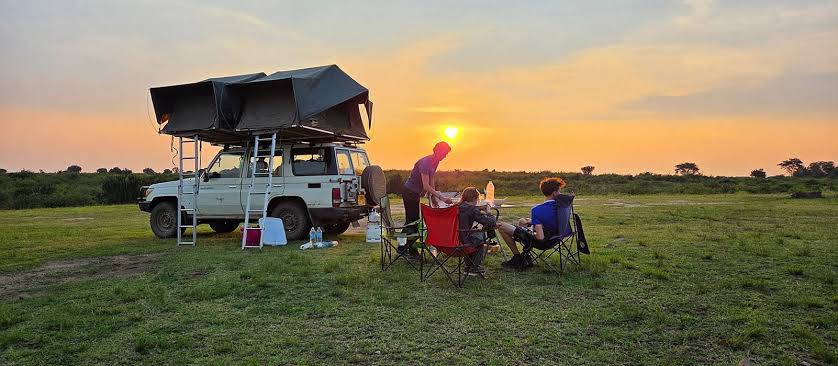
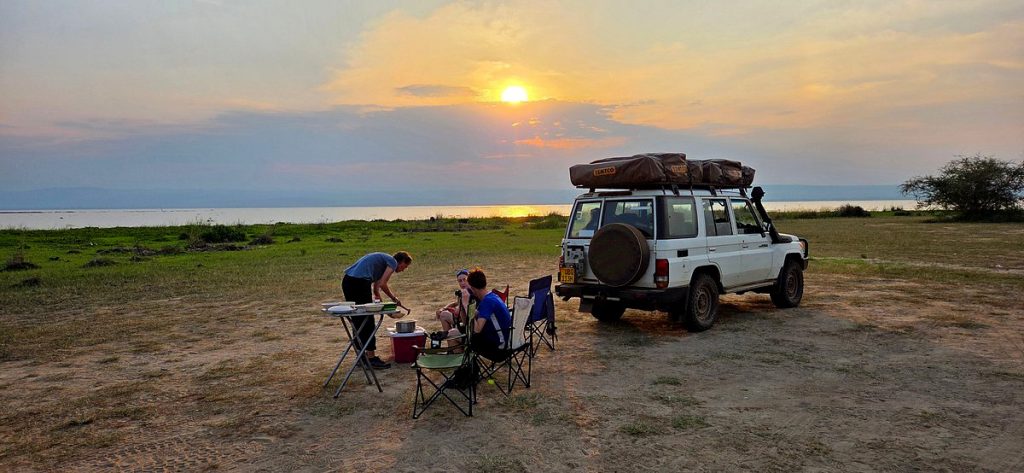
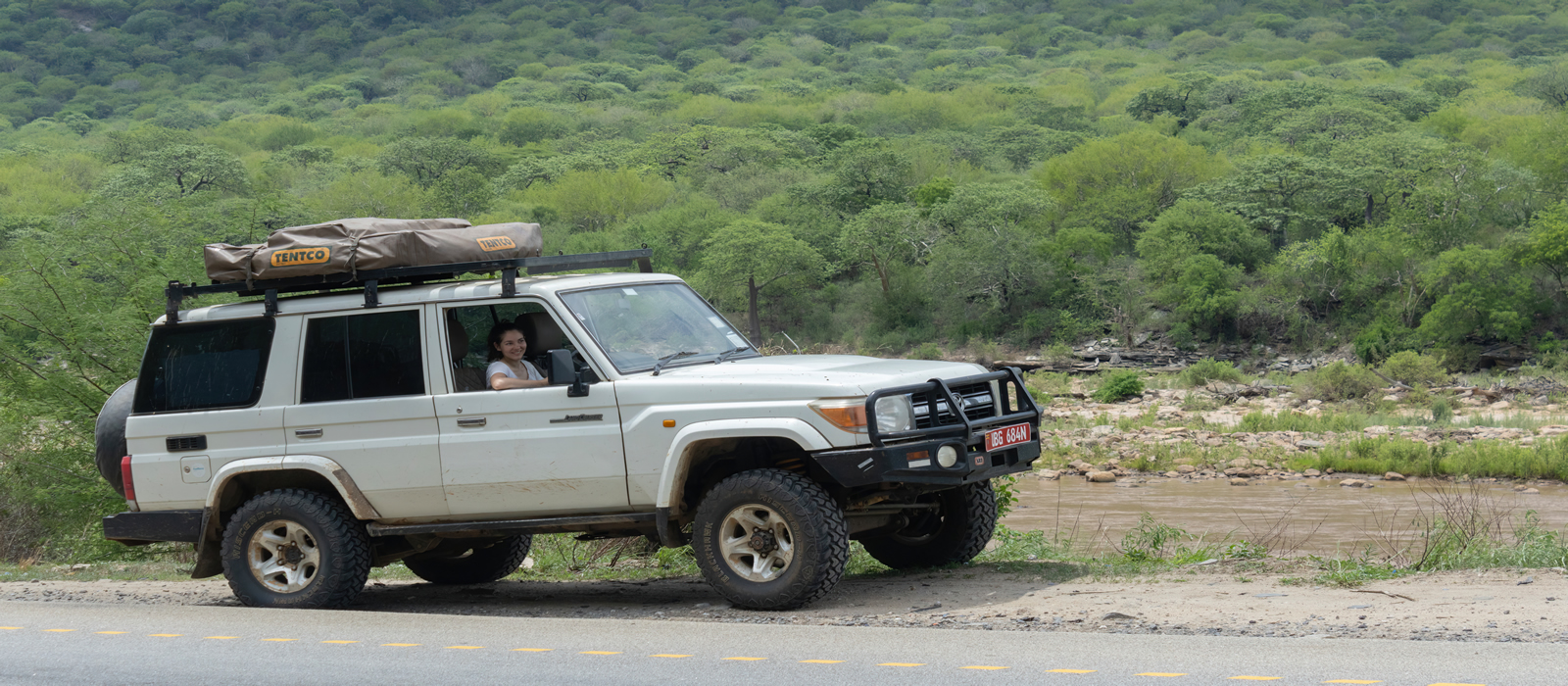
Reputable rental companies in Nairobi specialise in safari-specific vehicles, typically Toyota Land Cruisers or similar, equipped with roof hatches for wildlife viewing and photography, and choosing one of these specialist providers over a generic city car rental agency is strongly advisable.
Self-Drive vs Guided Safari in Kenya
Here is a direct comparison of what you gain and lose by self-driving versus using a guide.
| Factor | Self-Drive | Guided Safari |
| Cost | Lower; no guide fee, though vehicle hire has its own cost | Higher; includes guide expertise and vehicle |
| Wildlife spotting quality | Dependent entirely on your own eyes and any tips from other drivers | Considerably enhanced by a trained guide’s knowledge and eye |
| Schedule flexibility | Complete control | Some flexibility, but shared with any other passengers |
| Navigation confidence | Requires genuine preparation and comfort with uncertainty | Handled entirely by the guide |
| Safety margin in a breakdown or emergency | Lower; you’re responsible for the response | Higher; guide and operator handle logistics |
Which Kenyan Parks Suit Self-Driving
Not all of Kenya’s parks are equally suited to self-driving, and understanding which ones work well versus which demand more caution matters for planning.
Lake Nakuru National Park
One of the most self-drive-friendly parks in Kenya, with generally good road conditions, a compact and manageable size, and clear entry and exit points, making it a sensible starting point for a first self-drive experience.
Masai Mara National Reserve
Self-driving is possible and reasonably common, but road conditions can be genuinely difficult, particularly during and after rain, and the reserve’s larger size means genuine navigation challenges. A proper 4×4 and confident driving are essential here.
Amboseli National Park
Similar to the Mara in that self-driving is workable but road conditions vary significantly by season, with some areas becoming genuinely difficult during wetter months.
Tsavo East and West National Parks
Kenya’s largest parks by area, meaning self-driving here requires more genuine navigation confidence given the larger distances between key points and less consistent signage across such a vast area.
Private Conservancies
Most private conservancies bordering the Masai Mara do not permit self-drive access at all, requiring a licensed conservancy guide, meaning self-drive travellers are generally restricted to the main public reserves rather than the conservancy system.
How Season Affects Self-Driving Conditions
Road conditions vary dramatically by season, and this matters more for self-drive travellers than for guided safari clients, since a guide’s local knowledge and experienced handling can manage conditions that would be genuinely risky for a less experienced self-driving visitor.
| Season | Months | Self-Drive Difficulty |
| Long dry season | June – October | Easiest conditions; firm, more predictable roads |
| Short dry season | December – February | Good conditions |
| Long rains | March – May | Genuinely difficult; many roads become rutted, muddy or impassable |
| Short rains | November | Moderate difficulty; some road deterioration |
What Does Renting a Car for Self-Drive Cost?
Vehicle rental costs vary by type, with proper safari-specification 4x4s costing more than standard rental cars but considerably less than a full guided safari package.
Budget self-drive — Standard 4×4 rental, public campsites
A standard 4×4 rental combined with budget or camping accommodation inside or near the parks, the most cost-effective way to experience Kenya’s parks independently.
Mid-range self-drive — Safari-specification 4×4 with roof hatch, mid-range lodges
A dedicated safari vehicle with a raised roof hatch for wildlife viewing, combined with comfortable mid-range accommodation, offering a better overall self-drive experience.
Comparison to guided safari — Self-drive is meaningfully cheaper before accounting for lost wildlife-spotting value
Self-driving saves the guide fee and often some vehicle markup, but many experienced Kenya visitors conclude the wildlife-spotting and navigation value a guide provides outweighs the savings, particularly for a first visit.
Accommodation Considerations for Self-Drive Travellers
Self-drive travellers should specifically confirm accommodation access requirements, since some premium lodges and camps expect guided vehicle arrivals and may have different arrangements for self-drive guests.
| Accommodation Type | Self-Drive Suitability |
| Public campsites | Well suited; straightforward access, no special arrangements needed |
| Budget/mid-range lodges | Generally well suited; confirm parking and check-in logistics in advance |
| Premium lodges | Usually accessible but confirm in advance given typically guided-arrival expectations |
| Private conservancy camps | Not accessible for self-drive in most cases; requires a licensed guide |
Practical Preparation for Self-Driving in Kenya
Several specific preparation steps genuinely matter for a safe and successful self-drive experience.
Choose a Proper Safari-Specification Vehicle
A genuine 4×4 with high ground clearance and, ideally, a raised roof hatch for wildlife viewing, rented from a specialist safari vehicle company in Nairobi rather than a generic car rental agency, is essential rather than optional for the Mara, Amboseli or Tsavo specifically.
Carry Both Physical and Digital Navigation
Park gate maps, a dedicated GPS device if possible, and offline map downloads on your phone all reduce the risk of genuine disorientation, since network coverage inside parks is inconsistent.
Understand Park-Specific Rules
Off-road driving is prohibited in most Kenyan national parks and reserves, staying strictly on marked tracks, and speed limits and driving hours (typically no driving after dark without special permission) are enforced. Familiarising yourself with these rules before entering avoids fines and, more importantly, unsafe situations.
Carry Recovery and Emergency Supplies
A spare tyre in good condition, a basic tool kit, extra water and food, and a fully charged phone with emergency contacts saved are all sensible precautions given the remoteness of some park areas.
Know Your Vehicle’s 4×4 System
Understanding how to properly engage low-range or four-wheel drive before you need it in a difficult section, rather than discovering the mechanism for the first time while already stuck, is a basic but important preparation step.
| Preparation Item | Why It Matters |
| Proper safari-spec 4×4 vehicle | Generic rental cars are inadequate for rough park terrain |
| Physical and digital navigation tools | Network coverage inside parks is inconsistent |
| Understanding park-specific driving rules | Off-road driving, speed limits and driving hours are enforced |
| Recovery and emergency supplies | Remote areas mean self-sufficiency matters |
| Familiarity with the vehicle’s 4×4 system | Avoids getting stuck through unfamiliarity with the mechanism |
Booking Your Self-Drive Rental
Book through an established, reputable Nairobi-based safari vehicle rental company rather than a generic international car rental brand, since specialist providers understand safari-specific vehicle requirements and typically include unlimited mileage, appropriate insurance for park driving, and 24-hour breakdown support as standard.
Confirm exactly what insurance covers, particularly for off-road or park-related damage, since standard rental insurance sometimes excludes damage sustained on unpaved park roads specifically. Clarifying this before departure avoids an unpleasant surprise if something does go wrong.
Self-Drive Recommendations by Traveller Type
Here is a direct guide to which travellers should and shouldn’t consider self-driving in Kenya.
| Traveller Type | Recommendation | Why |
| Experienced 4×4 drivers, budget-focused | Self-drive is a good fit | Genuine cost savings for confident, prepared drivers |
| First-time safari visitors | Guided safari recommended | A guide’s wildlife-spotting expertise adds significant first-visit value |
| Families with young children | Guided safari recommended | Guide’s attention to driving frees parents to focus on kids and wildlife |
| Repeat Kenya visitors familiar with a specific park | Self-drive is a good fit | Existing familiarity reduces navigation risk |
Frequently Asked Questions
Do I need a 4×4 to self-drive in Kenya’s parks?
Yes, a genuine 4×4 with high ground clearance is essential for the Masai Mara, Amboseli and Tsavo specifically, given rough, sometimes rutted terrain, particularly outside the dry season.
Can I self-drive into the Masai Mara’s private conservancies?
Generally no, most private conservancies require a licensed conservancy guide and don’t permit self-drive access, restricting self-drive travellers primarily to the main public reserve.
Is it cheaper to self-drive than book a guided safari?
Yes, in direct cost terms, since you avoid the guide fee. Many experienced visitors, however, feel the wildlife-spotting and navigation value a guide provides outweighs the savings, particularly for a first Kenya visit.
What documents do I need to rent a car in Kenya?
A valid driving licence from your home country combined with an International Driving Permit is generally required by rental companies, along with a passport and, in most cases, a credit card for the security deposit.
Is self-driving safe in Kenya’s national parks?
With a properly prepared vehicle, appropriate insurance, and sensible precautions around navigation and emergency supplies, self-driving is a realistic and reasonably safe option for experienced, confident drivers, though it carries more inherent risk than a guided safari.