Maasai Mara National Reserve Biodiversity
Maasai Mara National Reserve Biodiversity: The Maasai Mara National Reserve is one of the most biodiverse protected areas in Africa. The reserve is also one of the most iconic safari destinations on the continent, renowned for its rich biodiversity, dramatic landscapes and diverse ecosystem.
Maasai Mara National Reserve is a must-visit Kenya safari destination for visitors looking to witness Africa’s flora and fauna in their true natural form. The reserve is famously known for its vast plains and presence of the Big Five – lions, leopards, buffaloes, rhinos and elephants. Maasai Mara National Reserve is a prime location for game viewing in Africa all year round, thanks to its abundant wildlife.
Maasai Mara’s diverse plants also contribute to its unique charm; the towering acacia trees, vibrant fever trees and lush vegetation together with its rivers create a stunning backdrop for incredible wildlife sightings.
Whether you are interested in witnessing the Great Wildebeest Migration, exploring the reserve’s rich flora, or simply taking in the breathtaking landscapes. Maasai Mara National Reserve offers a top-notch safari experience. The reserve’s well-preserved biodiversity ensures that visitors enjoy a pristine, natural environment filled with vibrant life and diverse wildlife. Each safari takes you through the incredible biodiversity of Maasai Mara National Reserve.
Fauna in Maasai Mara – Maasai Mara’s Wildlife
Maasai Mara National Reserve is home to abundant wildlife with a wide range of impressive species, including the big five. The ecosystem of the reserve is teeming with both big and small animals, creating a living masterpiece for wildlife and nature photographers as well as nature enthusiasts alike.
Maasai Mara’s wildlife includes
- The Big Five
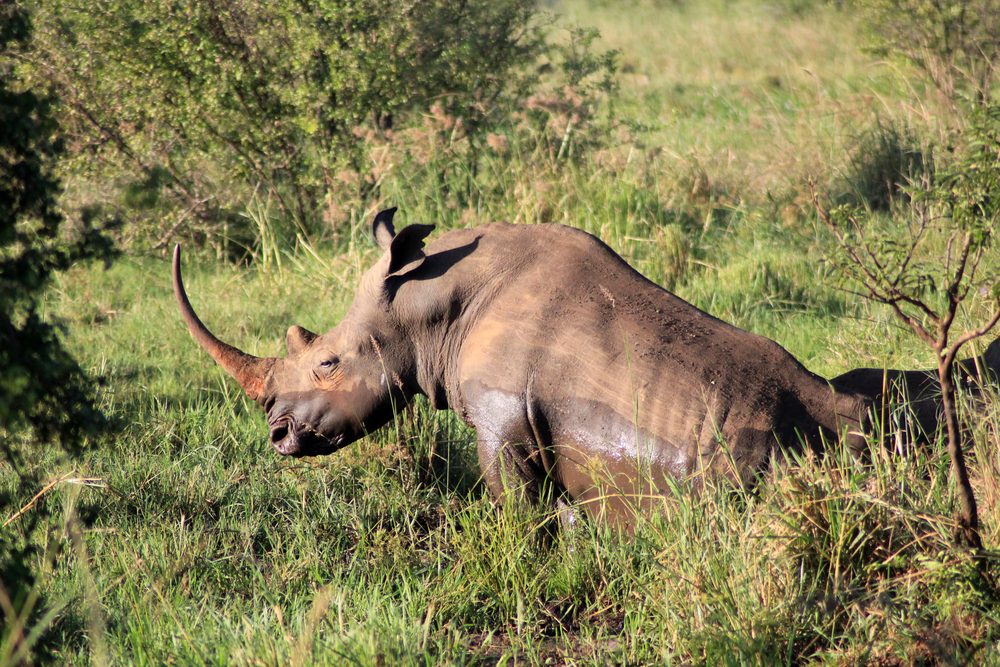
The term “Big Five” refers to the animals that were at the top of hunters’ list, as they were considered the most difficult of Africa’s big game to shoot while on foot at one time. These animals were lions, leopards, rhinos, elephant and cape buffalo. Fortunately, they are now shot only by big cameras and they are all available in Maasai Mara National Reserve.
Each of the Big 5 members plays an integral role in the balance of the biodiversity of Maasai Mara National Reserve.
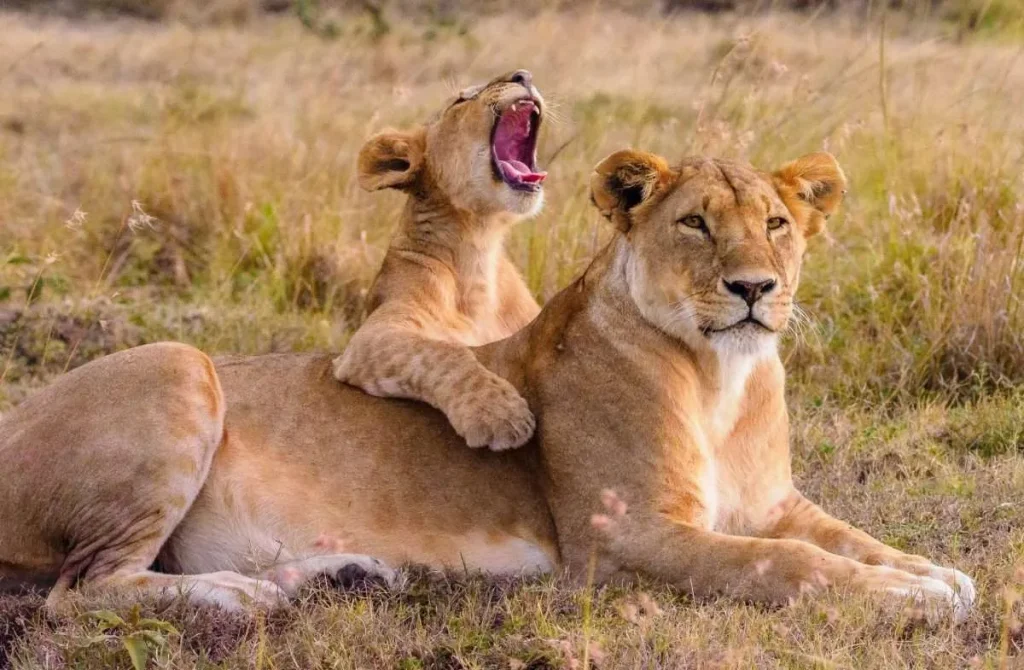
- Maasai Mara National Reserve hosts one of the highest lion densities in the world; often lion prides are seen hunting, lounging and interacting across the expansive plains
- Lions play a vital role of maintaining balance by regulating the herbivore population.
- Elephants are a common sight in the park and are seen roaming freely across the savannah, shaping the landscape by clearing the vegetation
- The movement of elements is essential in sustaining the ecosystem of the reserve, benefiting other species by preventing overgrowth.
- The elusive leopards are fond of stealthily prowling through the trees and tall grasses, often hiding their kills in branches to protect them from scavengers.
- Leopards are solitary hunters and because of their nature, they help manage populations of smaller prey species.
The rich wildlife activity in Maasai Mara National Reserve and natural behavior can be best explored on game drives, hot air balloon and guided walks.
- Wildebeest and The Great Migration
Between July and October, visitors can witness the awe-inspiring wildebeest migration in Maasai Mara National Reserve. Over 1.5 million wildebeests, together with vast herds of gazelles and zebras, journey from Tanzania’s Serengeti National Park to Kenya’s Maasai Mara National Reserve. The Great Migration is one of the most dramatic natural spectacles in the world.
Across the Maasai Mara plains, endless columns of wildlife stretch to the horizon. The Mara River crossing is the key highlight of the Maasai Mara Migration experience; watch wildebeests plunge into swirling waters where crocodiles lie in wait, creating unforgettable scenes of bravery and survival.
- Rare Wildlife species in Maasai Mara
In addition to the iconic Big Five and the Great Migration, Maasai Mara National Reserve is also home to rarer and more exclusive species, including cheetahs, known for their incredible speed and often seen sprinting across the savannah plains of the reserve in pursuit of prey.
Maasai Mara National Reserve is also one of the best places to see the endangered African wild dog, a rare species with a small population, often found in the reserve’s more secluded areas. Other rare wildlife species include leopards, hyenas, shy striped hyenas, bat – eared fox, serval and African clawless otters.
- Birdlife Paradise
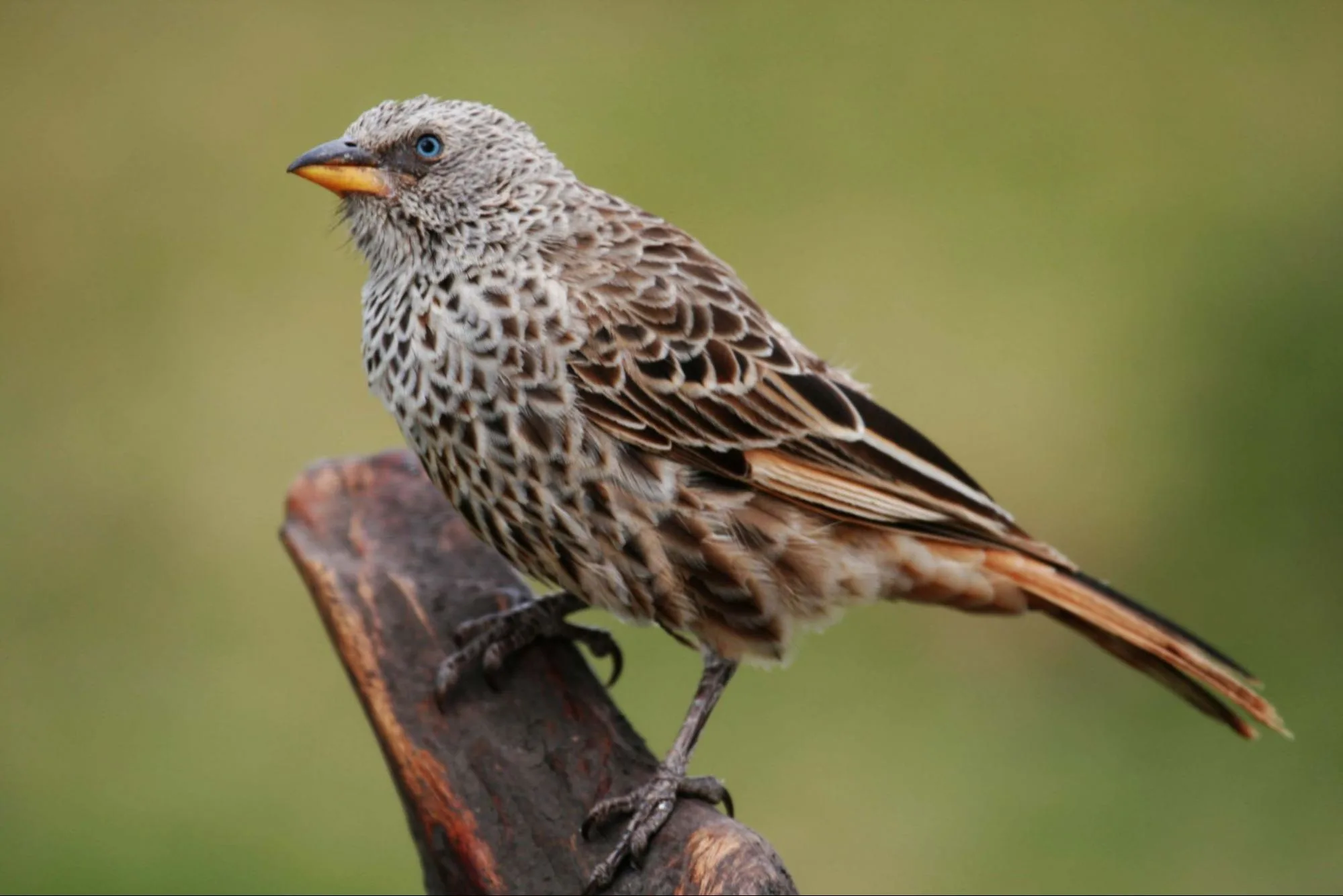
Maasai Mara National Reserve is a birder’s paradise for bird enthusiasts with over 500 bird species recorded, including migratory and resident species, as well as endemic and near-endemic bird species.
Birds in Maasai Mara National Reserve include Abdim’s stork.
- African finfoot
- African wood owl
- Ayres’s hawk eagle
- Cinnamon-breasted bunting
- Denham’s bustard
- Giant kingfisher
- Grey-crested helmet-shrike (NE)
- Grey penduline tit
- Hildebrandt’s starling
- Jackson’s widowbird
- Lazy cisticola
- Ostrich
- Purple grenadier
- Red-throated tit
- Ross’s turaco
- Rosy-throated longclaw
- Rufous-bellied heron
- Rufous-throated wryneck
- Saddle-billed stork
- Schalow’s turaco
- Secretary bird
- Silverbird
- Southern ground hornbill
- Swahili sparrow
- Tabora cisticola
- Temminck’s courser
- Trilling cisticola
- Usambiro barbet (NE)
- White-bellied go-away bird
- Woolly-necked stork
- Yellow-mantled widowbird
- Yellow-throated sandgrouse
Maasai Mara’s Flora
Maasai Mara National Reserve’s varied landscapes range from savannah grasslands to riverine forests, complemented by a fascinating array of flora supporting the diverse wildlife.
- Acacia Trees
The acacia trees are one of the most iconic features of the Maasai Mara National Reserve landscape; with their umbrella-shaped canopies, these remarkable trees provide crucial shade and shelter to both plant life and wildlife. The towering Maasai giraffes are often seen feeding on the acacia’s thorny leaves, while other herbivores like zebras and antelopes graze on the savannah grasses beneath them. The unique shape of these trees adds to the rugged beauty of the park, making them a key element in the ecosystem of Maasai Mara National Reserve.
- Fever Trees
The fever trees, with their distinctive yellow-green bark, are a standout feature in Maasai Mara National Reserve. These trees are often found along riverbanks and thrive in the wettest areas of the reserve. The unique look of these trees adds beauty to the landscape, especially at sunset.
- Riverine Vegetation
The dense riverine vegetation together with the iconic Mara River creates a lush environment. Tree species like jackal berry and fig trees line the riverbanks, offering shelter to hippos and crocodiles. These vibrant plants also provide a habitat for a wide variety of bird species
- Wild herbs and medicine plants
Maasai Mara National Reserve is home to a variety of wild herbs and medicinal plants, some of which have been used for centuries by the local Maasai people for traditional healing. One of the most famous plants is aloe vera, which thrives in the Mara’s dry plains and is celebrated for its healing properties.
How the ecosystem in Maasai Mara National Reserve is interconnected with biodiversity
Maasai Mara National Reserve’s flora and fauna exist due to the delicate balance of its ecosystem; the annual wildebeest migration is one of the most visible signs of its interconnectedness, where herbivores graze on the grasses, providing sustenance for the carnivores that hunt them.
Maasai Mara National Reserve’s river system, particularly the Mara River, serves as a crucial source of water and food for many species, while the trees offer shelter and nourishment.