
Malka Mari National Park: The Complete Travel Guide
Malka Mari National Park was gazetted on 6 October 1989, protecting roughly 1,500 square kilometres of semi-arid bushland, scrubby grassland and riverine woodland along the Daua River on Kenya’s remote border with Ethiopia, deep in Mandera County.
It’s frequently described, without much dispute, as the least visited national park in Kenya, and the reasons behind that reputation turn out to be considerably more interesting and more important for any traveller to understand, than the simple fact of its geographic remoteness.
This is another entry in our series where we’ve chosen to write a properly honest account rather than a conventional accommodation-and-activities guide. Malka Mari has a story worth knowing, about conservation ambition, administrative failure, and a community that built an entire life within a park’s boundaries because the government that gazetted it never actually set it up. Understanding that story matters more right now than knowing where to pitch a tent.
Should You Visit Malka Mari National Park?
For the overwhelming majority of travellers, the honest answer today is no, and not primarily for the reasons that usually keep people away from remote reserves. Malka Mari was mapped and gazetted in 1989 but never received the Kenya Wildlife Service camp, staff or infrastructure a functioning park needs.
Drought in the early 1990s pushed pastoralist communities into the area in search of water and grazing, and they never left. Decades later, villages, schools, a health centre and government administration offices now sit inside what remains, on paper, a national park, with no active conservation management having taken place for more than thirty years.
This isn’t a security advisory in the same sense as some of the other remote reserves covered in this series, though periodic conflict between the Garre and Degodia communities who now live within the park’s boundaries, driven by competition over land and resources and intensified by drought, has caused real humanitarian hardship in the area. It’s a more fundamental question of whether there’s a functioning park here to visit at all, in any sense a traveller would recognise, with visitor infrastructure, managed wildlife viewing, or basic tourism services.
If you’ve encountered Malka Mari’s name through its wildlife list or its position on a historic elephant migration corridor and are curious whether a visit makes sense, the honest answer is to wait for clarity on the park’s legal and administrative status before planning anything, and to work exclusively through an operator with direct, current knowledge of Mandera County if you do decide to proceed. Patience here isn’t overcaution, it’s simply the realistic response to a situation that remains legally and administratively unresolved.
The Story Behind the Neglect
The idea for a protected area here dates back to 1974, when the local county council of the time wanted to conserve white rhinos living along the Daua River. By the time the park was formally gazetted in 1989, those rhinos, along with much of the original wildlife population, had already been lost to expanding human activity in the surrounding region.
The government mapped the park’s boundaries that same year and then, according to local accounts, simply never followed through: no Kenya Wildlife Service camp was established, no staff posted, no fencing or management infrastructure built.
Local elders have pointed to the practical difficulty of fencing off such a large area within an active pastoral community as part of the reason the park was never properly operationalised. When drought struck the region around 1991, herders moved into the park searching for pasture and water, and with no active management presence to redirect them, they stayed.
Over the following decades, what had been gazetted as protected wilderness became home to established communities, the Degodia settled around Malkamari centre and Hullow village, the Garre in Hardawa, Antharak, Malka Ruqa and Qarcho, together occupying a meaningful share of the park’s mapped area.
The situation has since become a formal legal dispute. In 2018, environmental activists sued the Kenya Wildlife Service and several government bodies, seeking to enforce the park’s original conservation status and halt further development within its boundaries.
Kenya’s Environment and Land Court issued injunctions against both national and county government construction in the area, though reports indicate school and housing construction for displaced persons has continued regardless. As of recent reporting, the case remained unresolved, with local tourism officials stating that any meaningful revival of the park depends on the eventual court judgment.
What Wildlife and Historical Value Remain
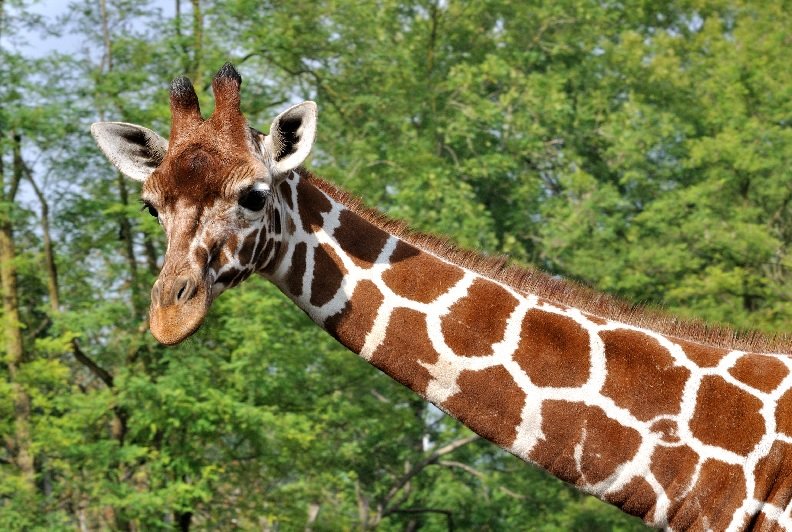
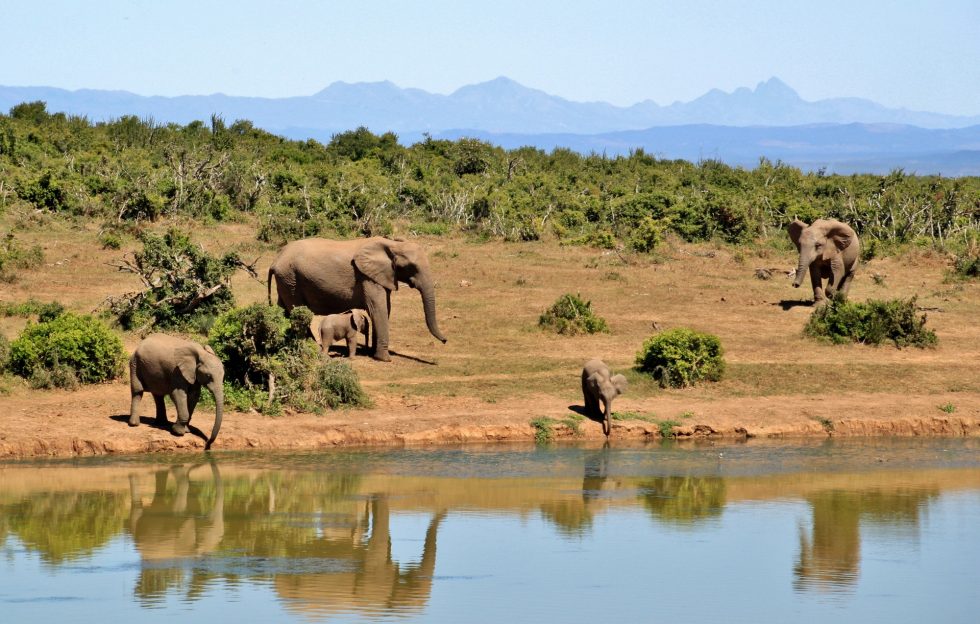
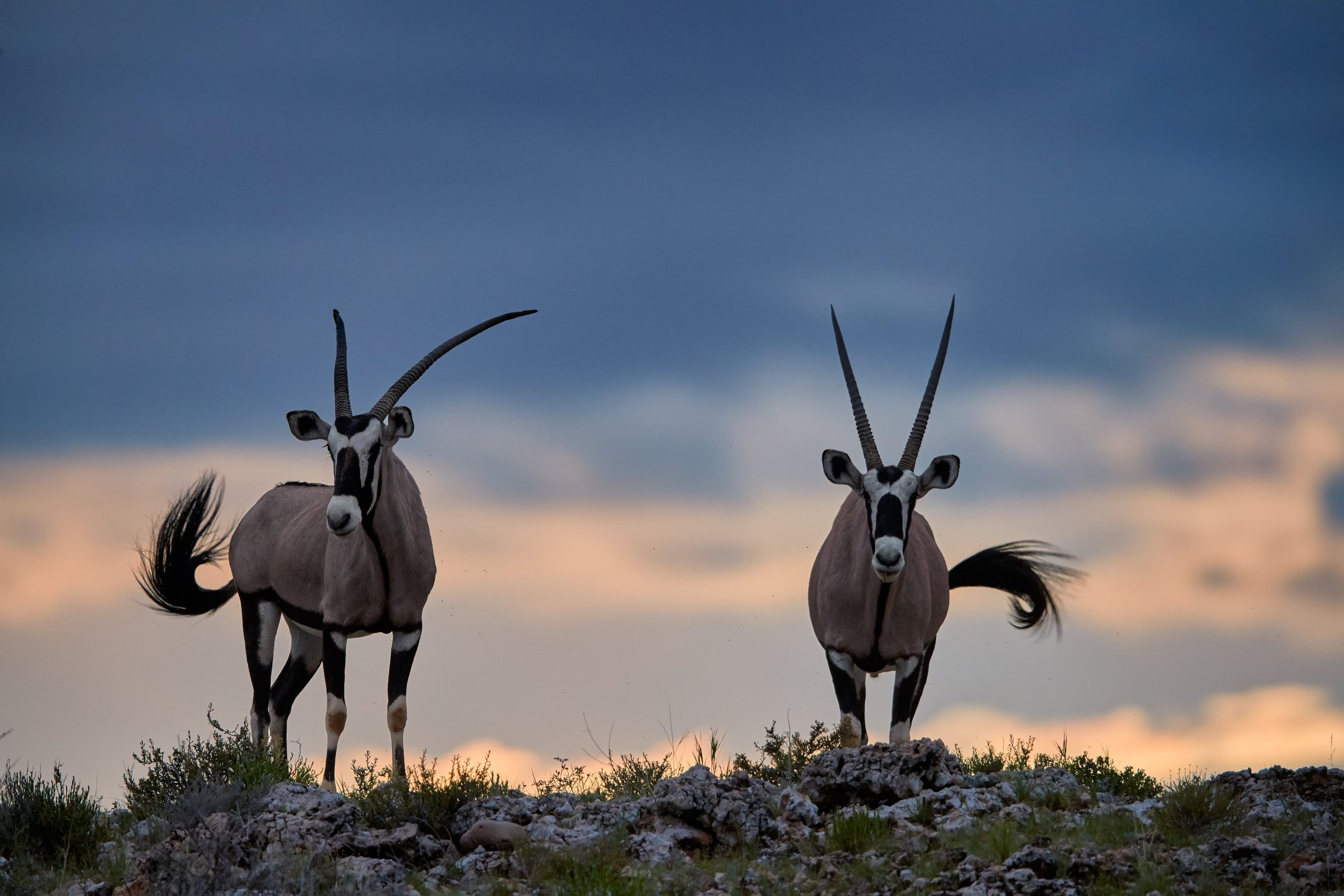
Despite everything above, Malka Mari retains real ecological and historical significance, which is part of why the legal fight over its future continues. The park sits on a historic elephant migration route connecting Kenya and the Ethiopian highlands along the Daua River, and reticulated giraffe, lion, spotted hyena, African wild dog, cheetah, leopard, zebra, ostrich and various antelope and primate species are still reported in the area, alongside crocodile, hippo and fish populations in the river itself.
A first confirmed East African population of Hamadryas baboon, a species more commonly associated with the Horn of Africa and Arabian Peninsula, has also been recorded here, a notable, well-documented discovery for East African wildlife science.
The area also holds historical sites, including colonial-era military graves and the ruins at Goro Ade, adding a layer of human history to the park’s ecological story. None of this changes the practical reality facing a potential visitor today, but it does explain why conservationists and legal advocates have continued pushing for the park’s restoration rather than simply writing it off as a lost cause.
What the Current Access Picture Looks Like
| Consideration | Current Reality |
| Management status | No active Kenya Wildlife Service conservation management for over three decades |
| Population within boundaries | Established communities occupy a significant portion of the mapped park area |
| Legal status | Subject to ongoing litigation over conservation enforcement versus continued settlement |
| Tourism infrastructure | No established accommodation or visitor services within the park itself |
| Security context | Periodic inter-community conflict over land and resources, worsened by drought |
| Before any travel | Verify current status directly with Kenya Wildlife Service and a Mandera-based contact; do not rely on general travel information alone |
Frequently Asked Questions
Is Malka Mari National Park currently open to visitors?
Its legal and administrative status remains unresolved, tied up in ongoing litigation, and there is no established Kenya Wildlife Service management presence or visitor infrastructure within the park. Verify current status directly with Kenya Wildlife Service and a Mandera-based contact before making any plans.
Why is Malka Mari considered Kenya’s least visited national park?
The park was gazetted in 1989 but never received the staff, infrastructure or active management a functioning park requires. Pastoralist communities settled within its boundaries during a drought in the early 1990s and never left, and more than thirty years later, villages, schools and government offices now occupy a significant share of the park’s mapped area.
Is there still wildlife in Malka Mari?
Yes, reports indicate reticulated giraffe, lion, cheetah, leopard, spotted hyena, African wild dog, zebra and various antelope species remain in the area, along with a notable first East African population of Hamadryas baboon. The park also sits on a historic elephant migration corridor between Kenya and Ethiopia.
What is the legal dispute over Malka Mari about?
Environmental activists sued the Kenya Wildlife Service and government bodies in 2018, seeking to enforce the park’s original conservation status and halt further construction within its boundaries. Courts have issued injunctions, but as of recent reporting, the underlying case remained unresolved, and settlement and construction activity has reportedly continued.
Could Malka Mari become a functioning park again?
It’s possible, and conservationists continue advocating for exactly that outcome. Meru National Park offers a precedent: it experienced a serious decline before a sustained recovery effort restored it to a functioning, visitable state, suggesting restoration here isn’t inherently impossible if the right resources and legal clarity materialise.
What should I do if I’m specifically interested in this part of Kenya?
Speak with a specialist operator who maintains current, verified knowledge of Mandera County and the wider Kenya-Ethiopia border region, and treat any general information, including this guide, as a starting point for further verification rather than a final answer.


