Kenya Vs Zanzibar
Kenya Vs Zanzibar . Which One Should You Choose For Your East Africa Trip? A Complete Travel Guide For First-Timers And Repeat Visitors. Both destinations work comfortably at the top of almost every bucket list covering this part of the world. Kenya pulls you in with its legendary national parks, dramatic wildlife encounters, and a safari culture that runs deep through everything you do. Zanzibar, on the other hand, wraps you in something slower and more sensory, where white sand meets turquoise ocean, spice-scented air drifts through ancient alleyways, and the word rush simply does not apply.
The truth is, Kenya and Zanzibar are not really rivals. Zanzibar is a semi-autonomous island region of Tanzania, and the two countries are neighbors sharing an ecosystem, a wildlife heritage, and even parts of the same coastline. What makes this comparison interesting is not a head-to-head battle but understanding what kind of traveler you are and what kind of trip you are looking to build.
What Makes Kenya So Special
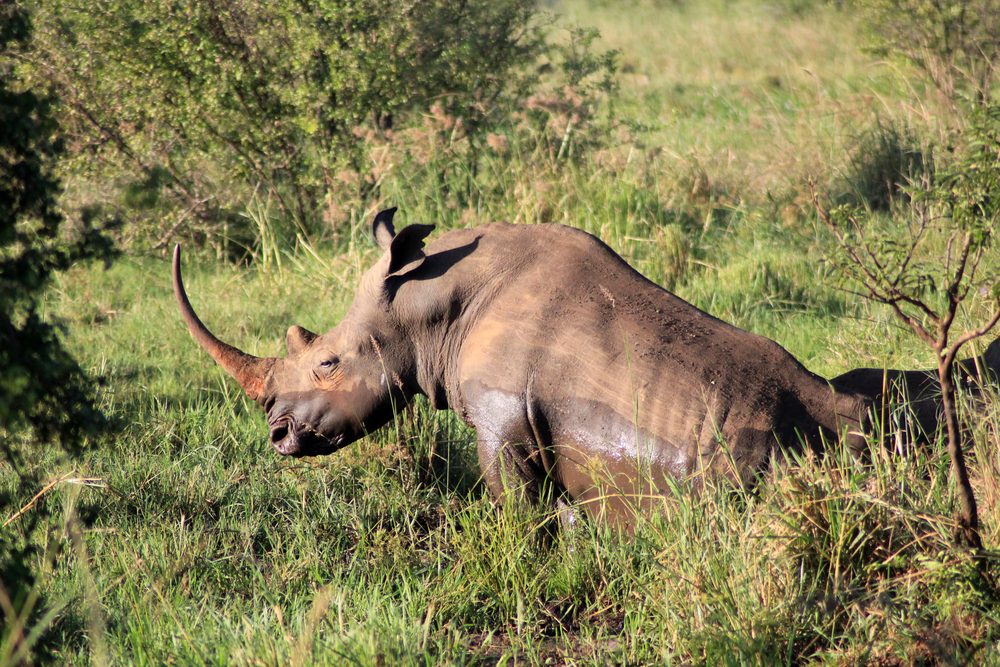
Kenya has been the gateway to the African safari experience for well over a century. The Maasai Mara National Reserve alone draws hundreds of thousands of visitors every year, and with good reason. The savannah rolls on in every direction with a cinematic quality that photographs simply cannot capture. Big cats roam in numbers that surprise even repeat visitors. Lions are spotted daily. Cheetahs hunt in broad daylight across open plains. Leopards drape themselves across acacia branches with the casual confidence of animals that know they are at the top of the food chain.
What makes Kenya genuinely stand out is the combination of world-class wildlife with a well-developed tourism infrastructure. Nairobi’s Jomo Kenyatta International Airport receives direct flights from London, Amsterdam, Dubai, New York, and dozens of other major cities. The roads connecting the national parks are generally reliable. Guides are experienced and deeply knowledgeable. Accommodation ranges from budget-friendly tented camps to ultra-luxury lodges where you wake up to elephants grazing fifty meters from your veranda.
Beyond the Mara, Kenya offers remarkable diversity. Amboseli National Park gives you elephant herds against the backdrop of Mount Kilimanjaro on a clear morning, which is a sight that belongs in a category entirely its own. Samburu National Reserve in the north is home to the famous Samburu Special Five: the reticulated giraffe, Grevy’s zebra, Beisa oryx, Somali ostrich, and the long-necked gerenuk. These are species you will not find in Tanzania or most other parts of Africa. Tsavo East and West together form one of the largest national parks on the continent, raw and wild in a way that feels refreshingly unpolished.
Kenya is also home to a growing network of private conservancies surrounding the Maasai Mara, and these areas genuinely change the game. In the conservancies, visitor numbers are controlled, off-road driving is permitted, and you can experience night game drives and guided bush walks that are not allowed inside the main reserve. For travelers who have already done a standard safari and want something more intimate, these conservancies are the answer.
Kenya’s Great Migration River Crossings
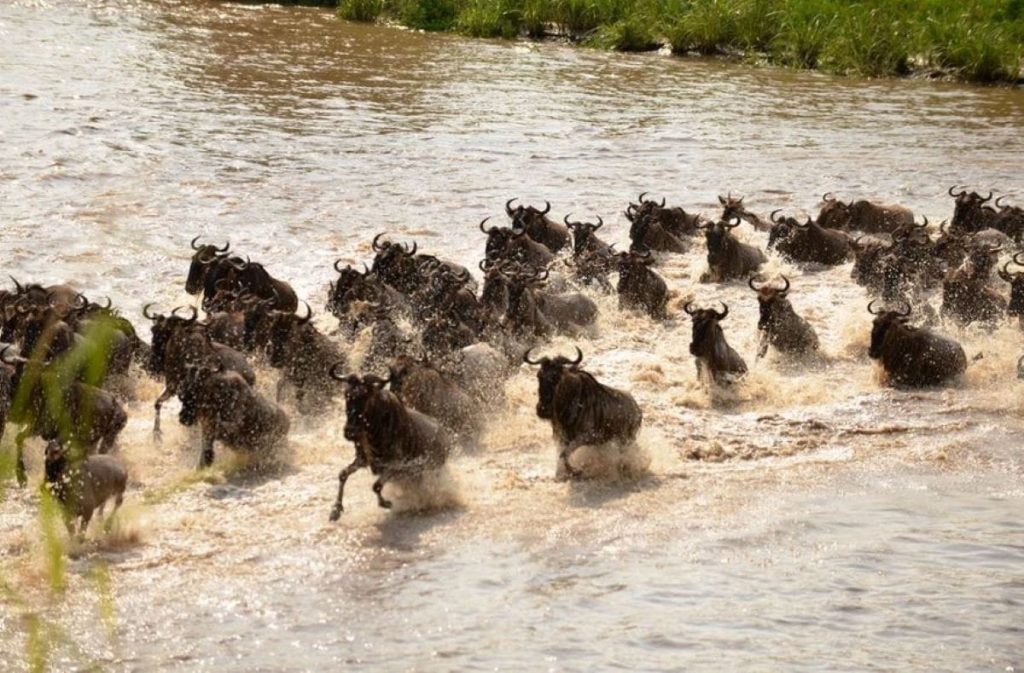
Between July and October, the wildebeest migration reaches Kenya from Tanzania’s Serengeti. The Mara River crossings that happen during this period are widely regarded as one of the greatest wildlife spectacles on earth. Hundreds of thousands of wildebeest plunge into crocodile-filled waters in a chaotic, primal rush that defies easy description. If you are planning your East African trip around a single event, nothing in the natural world comes close to what happens on those riverbanks during peak crossing season.
What Makes Zanzibar Unforgettable
Zanzibar operates at a completely different pace, and that is exactly the point. The island sits about 35 kilometers off the Tanzanian coast in the Indian Ocean, and from the moment the plane descends you can see why travelers keep coming back. The water below is a gradient of blues and greens that shifts depending on the time of day and the angle of the sun. The beaches at Nungwi and Kendwa in the north stay swimmable year-round because the tidal variations there are minimal compared to the east coast.
Stone Town, the island’s historic capital and a UNESCO World Heritage Site, is one of the most culturally layered places in all of East Africa. Arab, Persian, Indian, Portuguese, and Swahili influences all collide in its architecture, its food, its music, and its rhythms. Walking through its narrow alleyways is a genuine experience of discovery, with carved wooden doors hiding boutique hotels, rooftop restaurants appearing unexpectedly above ancient coral stone walls, and the calls to prayer from mosques echoing against the same buildings where the spice trade once made fortunes.
Zanzibar earned its nickname the Spice Island for good reason. Cloves, cinnamon, nutmeg, and cardamom plantations still operate across the island, and a spice farm tour is one of those experiences that genuinely teaches you something. The food on the island reflects this heritage beautifully. Zanzibari cuisine is a fusion of coastal African cooking with deep Arab and Indian roots: coconut curries, fresh grilled seafood, pilau rice fragrant with whole spices, and the famous Zanzibar pizza served at the Forodhani Gardens night market, a street food experience unlike anything else in East Africa.
For divers and snorkelers, Zanzibar is paradise. Mnemba Atoll in the northeast is one of the finest snorkeling and diving sites on the continent, with visibility reaching beyond 25 meters, coral gardens in excellent health, green turtles, reef sharks, and seasonal whale sharks. Dolphin spotting at Kizimkazi in the south is a popular morning activity, while kite surfers have claimed Paje on the east coast as one of the best spots in Africa for the sport.
Kenya vs Zanzibar: Beaches Compared
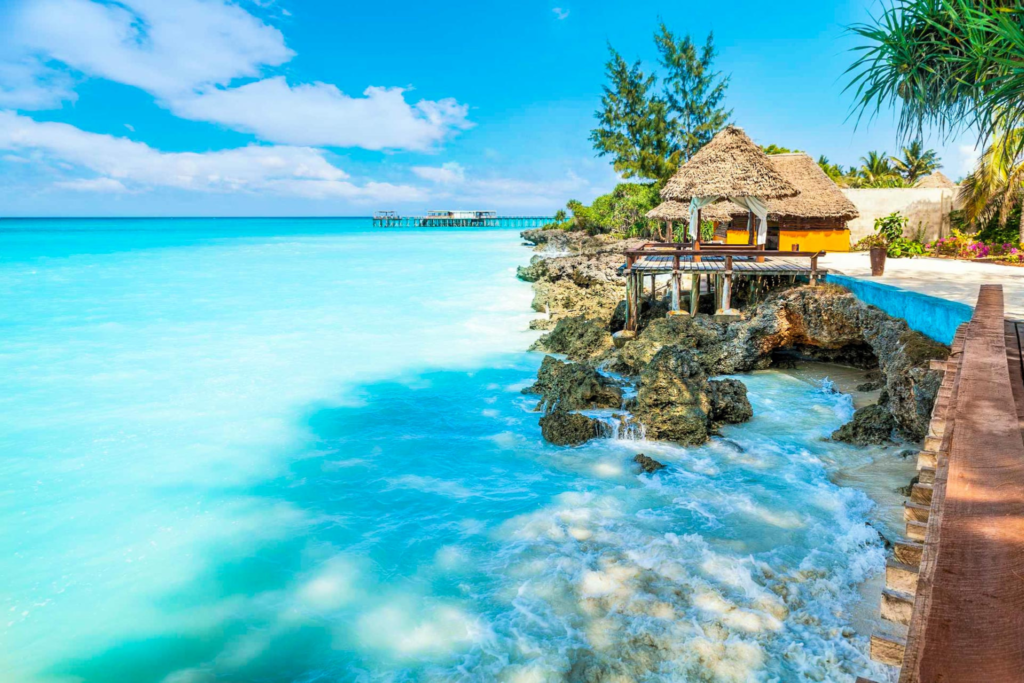
Let us be straightforward about this part of the comparison. When it comes to beaches, Zanzibar wins and it is not particularly close. The white sand beaches of the island are genuinely exceptional in the way that only a handful of places on the continent can claim. The water temperature hovers between 24 and 28 degrees Celsius year-round. The coral sand is fine and powder-soft. The resorts that have been built along the coastline range from budget guesthouses with honest character to some of the most beautiful boutique properties anywhere in the Indian Ocean.
Kenya does have beaches, primarily concentrated around Mombasa, Diani, Watamu, and Lamu. Diani Beach in particular is genuinely lovely, with soft white sand and good infrastructure. Lamu is architecturally fascinating and offers a different pace. But if your primary motivation for traveling to East Africa is beaches, Zanzibar is the destination that will stay with you for the rest of your life. Kenya’s coast is solid and enjoyable, but it plays a different role in the overall East Africa travel picture.
| Category | Kenya Coast | Zanzibar |
| Beach Quality | Very Good | World Class |
| Water Clarity | Good | Excellent (15-25m visibility) |
| Year-Round Swimming | Yes (Diani, Watamu) | Yes (Nungwi, Kendwa) |
| Diving & Snorkeling | Good (Watamu reef) | Outstanding (Mnemba Atoll) |
| Beach Resorts | Well Developed | Excellent Range |
| Budget Options | Good Variety | Strong (especially off-peak) |
| Cultural Add-On | Mombasa old town | Stone Town UNESCO site |
| Romantic Appeal | Good | Exceptional |
Wildlife: Kenya Has the Clear Edge
If wildlife is the primary reason, you are making this trip, Kenya is your destination with very little argument needed. Zanzibar does have some wildlife, notably the Zanzibar red colobus monkeys found in Jozani Forest, a rare endemic subspecies that you will not see anywhere else in the world. Prison Island is home to giant Aldabra tortoises that locals feed and tourists photograph with genuine delight. The marine world around the island is extraordinarily rich. But in terms of the classic African big game experience, the kind that put East Africa on the travel map in the first place, Zanzibar simply does not compete.
Kenya offers the Big Five, large predator populations, the wildebeest migration, and an extraordinary diversity of bird life exceeding 1,100 recorded species. The Maasai Mara, Amboseli, Tsavo, Samburu, Ol Pejeta Conservancy, and Lake Nakuru National Park together create a wildlife network that is among the richest on the planet. For anyone traveling to this part of Africa for the first time, seeing lion cubs playing in the morning light or a cheetah scanning the plains from a termite mound is the kind of encounter that changes how you see the natural world.
Culture and History: Both Destinations Offer Something Genuinely Unique
Kenya’s cultural offering centers largely on the Maasai people, one of the most recognizable communities on the continent. Many lodges and conservancies work directly with Maasai communities, offering village visits, guided bush walks led by Maasai rangers, and cultural performances that are done with dignity and real engagement rather than as tourist theater. Nairobi itself is a dynamic, fast-moving city with excellent restaurants, craft markets, and a food scene that has grown remarkably in recent years. The Giraffe Centre and the David Sheldrick Wildlife Trust elephant orphanage are two of the most memorable experiences in the city.
Stone Town is a living museum of this layered past. The Old Fort built in the 17th century, the former sultan’s palace, the Anglican Cathedral built on the site of the old slave market, and the House of Wonders all sit within walking distance of each other and carry stories that reward any visitor who takes the time to listen. The Sauti za Busara music festival held every February in Stone Town is East Africa’s premier celebration of Swahili and African music and is genuinely worth timing a trip around if culture is a priority.
Cost Comparison: Which Destination Is More Affordable
Kenya and Zanzibar both sit in the mid to upper range of African travel costs, but they price differently and for different reasons. Kenya is generally the more accessible choice for travelers on a tighter budget, particularly for safaris. The Maasai Mara entry fee runs roughly 80 USD per person per day for non-residents. In Tanzania, Serengeti entry fees are similar or slightly higher, and Ngorongoro Crater charges an additional fee that can push daily costs considerably upward.
A seven-night safari in Kenya in mid-range lodges typically costs between 3,500 and 6,000 USD per person depending on the season and properties chosen. A comparable Tanzania safari usually runs 20 to 35 percent higher. Accommodation and food in Nairobi are also generally cheaper than in Zanzibar’s peak-season resort areas, where popular beachfront properties charge premium rates from June through October and again during the December to January holiday window.
Zanzibar off-peak is a different story. During the green season from March to May, accommodation prices drop by 40 to 50 percent, beaches empty out, and you can find excellent resorts at genuinely generous rates. If you have flexibility with your dates and do not mind the chance of afternoon rain, the low season on Zanzibar is one of the best kept secrets in East Africa travel.
| Cost Factor | Kenya | Zanzibar |
| Safari Park Fees | $60-80/person/day | N/A (no game parks) |
| Mid-Range Safari (7 nights) | $3,500-6,000 pp | N/A |
| Beach Resort (per night) | $100-400 | $80-1,500+ |
| Budget Guesthouse | Available (from $40) | Available (from $25) |
| Meals (mid-range) | $15-35 per meal | $12-30 per meal |
| Domestic Flights | Reasonable | Reasonable |
| Best Value Period | Shoulder season (Nov, Apr) | Green season (Mar-May) |
Best Time to Visit Kenya vs Zanzibar
Kenya and Zanzibar share a broadly similar seasonal calendar since they occupy the same corner of the world, but the ideal timing shifts depending on what you are coming for.
Best Time to Visit Kenya for Safari
The classic safari season in Kenya runs from July through October. This is when the wildebeest migration brings enormous herds into the Maasai Mara, the long grass has been cropped down by grazing animals so sightings are easier, and the weather is dry and pleasant. July and August are the peak months and accommodation fills up fast, so booking six months in advance is standard advice rather than a precaution. January and February are also excellent, with good wildlife viewing and slightly fewer crowds than the peak months. The two rainy seasons, the long rains from March to May and the short rains in November, tend to reduce wildlife visibility slightly but offer dramatically green landscapes and significantly lower prices.
Best Time to Visit Zanzibar
The dry season from June to October is the most reliable time to visit Zanzibar for beach holidays. The weather is sunny, temperatures are comfortable rather than sweltering, and the ocean conditions are calm and clear. Fortunately this timing aligns almost perfectly with Kenya’s peak safari season, which means a combined Kenya safari and Zanzibar beach trip in July, August, or September captures both destinations at their very best. December to February is also excellent for Zanzibar, with hot temperatures, fantastic diving visibility particularly in February and March, and the festive holiday energy that comes with peak season. The Sauti za Busara music festival in February adds a compelling cultural reason to time a visit during this window.
Getting There: Flights and Logistics
Kenya has the logistical advantage here, largely because Nairobi’s Jomo Kenyatta International Airport is the primary aviation hub for all of East Africa. Airlines including British Airways, Kenya Airways, Qatar Airways, Emirates, KLM, and Ethiopian Airlines all operate direct or one-stop services from major cities in Europe, North America, Asia, and the Middle East. Getting to Nairobi from London, for example, is a direct overnight flight on Kenya Airways or British Airways. From there, domestic flights to the Maasai Mara, Samburu, Amboseli, or other parks are short and frequent.
Reaching Zanzibar requires a connection through either Nairobi or Dar es Salaam. Zanzibar’s Abeid Amani Karume International Airport has grown considerably in recent years and now receives seasonal direct flights from Doha, Dubai, Amsterdam, Rome, Frankfurt, and Zurich with airlines including Qatar Airways, flydubai, Condor, Neos, and Edelweiss. For most travelers from the Americas and Australasia however, a connection through Nairobi or Addis Ababa remains the standard route. The ferry from Dar es Salaam to Stone Town is a popular and affordable option for those already on the mainland, taking around two hours and arriving right at the historic waterfront.
Who Should Choose Kenya
Kenya is your destination if you are on your first African safari and want the full classic experience in the most accessible package. It is ideal for families with younger children since the logistics are easier, guides are plentiful and excellent, and the wildlife encounters in parks like the Maasai Mara and Amboseli are consistently spectacular. If your trip window is under ten days and you need to make the most of limited time, Kenya’s concentrated wildlife areas deliver without requiring complicated logistics. If witnessing the Great Migration river crossings is on your list, planning a Kenya trip between July and October puts you in exactly the right place at the right time.

- First-time safari travelers who want a reliable, well-structured wildlife experience
- Families with children looking for manageable logistics and consistent wildlife sightings
- Anyone specifically targeting the Great Migration river crossings between July and October
- Travelers with seven days or fewer who need to maximize wildlife time
- Budget-conscious safari travelers looking for lower park fees compared to Tanzania
- Birdwatchers, as Kenya’s bird diversity exceeds 1,100 species
Who Should Choose Zanzibar
Zanzibar is the right choice if you are after a beach holiday layered with genuine cultural depth. Honeymooners and couples looking for a romantic Indian Ocean escape will find it hard to beat the island’s combination of beautiful boutique resorts, candlelit seafood dinners, sunset dhow cruises, and that particular quality of light that the Swahili coast does better than almost anywhere else. Adventure travelers will find world-class diving at Mnemba Atoll, kite surfing at Paje, dolphin encounters at Kizimkazi, and snorkeling in coral gardens that have largely been well-protected. History lovers will spend days in Stone Town without running out of places to explore.
Zanzibar also works exceptionally well as the final chapter of a longer Tanzania safari. After days on game drives in the Serengeti or Ngorongoro, stepping off a small plane onto an island where the pace drops to something close to nothing is a transition that travelers consistently describe as one of the highlights of their entire trip.
- Honeymooners and couples seeking a romantic beach destination with exceptional resorts
- Travelers ending a Tanzania safari looking for a beach extension before flying home
- Divers and snorkelers targeting one of East Africa’s finest marine environments
- History and culture lovers drawn to Stone Town’s UNESCO-listed architecture and layered past
- Kite surfers seeking one of Africa’s premier spots at Paje Beach
- Food lovers interested in Zanzibari spice cuisine, seafood, and the night market experience