How To Plan A Perfect Kenya Safari Holiday?
How To Plan A Perfect Kenya Safari Holiday? Planning a Kenya safari is one of the most enjoyable forms of trip preparation because every research session produces images that make you want to leave immediately. A lion pride in the first morning light. Elephant silhouettes against Kilimanjaro at sunrise. The Maasai Mara stretching to the horizon with nothing between you and the animals except open savannah and the quality of the silence. The problem is not imagining the trip. The problem is turning the imagination into a specific itinerary with specific parks and specific lodges and a specific budget that actually works.
This guide takes the planning process apart step by step; from the first question you need to ask yourself to the last thing to pack before you leave.
Step 1: Define What You Actually Want From the Trip
The most common planning mistake in Kenya safari preparation is skipping the first conversation with yourself and going straight to researching lodges. The lodge choices, the park selections, the duration, and the budget all flow from a prior question that most travelers do not articulate clearly enough: what do you want this trip to feel like?
There is a version of a Kenya safari that is about maximum wildlife sightings in the most famous parks with the best guiding money can buy. There is another version that is about genuine remoteness, walking through the bush with an armed ranger, sitting at a waterhole in the early morning with no other vehicle in sight, eating dinner under a completely dark sky. A third version is primarily about the Great Migration river crossings, which requires precise timing and patience but rewards it with something that no wildlife spectacle elsewhere on the planet matches. A fourth version is a family trip where the children need shorter drives, child-friendly menus, and morning activities that engage them rather than test their patience.
None of these versions is the right Kenya safari. They are all right for specific people with specific priorities. Getting clear on which one, or which combination, matches you determines every subsequent planning decision.
Step 2: Choose the Right Time of Year
Kenya has distinct seasons that create meaningfully different safari experiences, and your travel dates will be shaped by the combination of your priorities and your practical constraints.
July to October:
This is Kenya’s most famous safari window. The Maasai Mara receives the Great Migration from Tanzania’s Serengeti between July and October, with river crossings most likely in August and September. Wildlife viewing conditions are excellent across the dry season parks: grass is short, animals concentrate around water sources, and predator-prey encounters happen in open terrain that allows full vehicle viewing. Prices are at their highest and lodges book out months in advance. Book nine to twelve months ahead for the best properties during this window.
January and February:
January and February are the second-best months for a Kenya safari and significantly underbooked relative to what they deliver. The dry conditions are excellent for wildlife viewing, the parks are quieter than peak season, and prices are meaningfully lower than July through October. Amboseli in January and February produces some of the clearest Kilimanjaro views of the year. Baby animals appear across the savannah. This is also excellent birding season with migratory European species still present. For travelers who have flexibility and are not specifically chasing the migration, January and February often deliver better value than any other period.
April to May:
The long rains arrive in late March and run through May. Lodge prices drop thirty to fifty percent. Park entry fees are at low season rates. Landscapes are lush and green. Wildlife viewing is somewhat harder in long grass but the parks are uncrowded, photography conditions are exceptional, and the overall experience has a quality of genuine discovery that peak season crowds cannot provide. April is the cheapest month in Kenya and suits travelers who prioritise value and are comfortable with occasional afternoon rain.

November:
November’s short rains typically arrive as afternoon showers rather than all-day weather events, leaving mornings clear for game drives. Prices are significantly lower than peak season. The migration has returned to Tanzania but the Maasai Mara’s resident wildlife, which includes some of the finest lion and cheetah viewing in Africa, remains extraordinary. November is the second cheapest month for a Kenya safari and suits budget-conscious travelers who want good wildlife without peak prices.
Step 3: Choose Your Parks and Build Your Itinerary
Kenya has over twenty-three national parks and reserves plus numerous private conservancies, and choosing which combination to visit is the central planning decision. The right answer depends on your priorities, your time, and your budget for either road or air transfers between parks.
Maasai Mara:
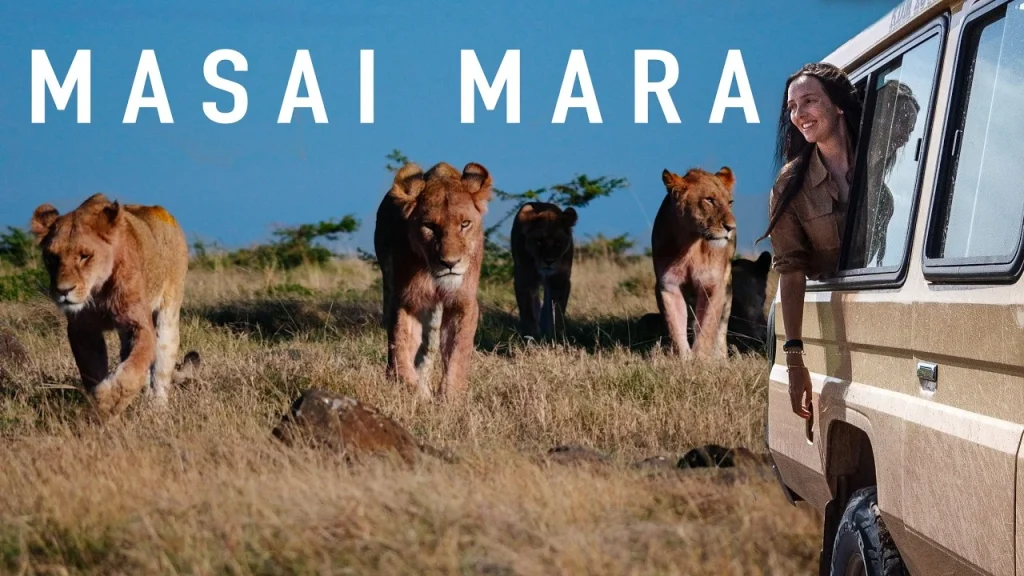
The Maasai Mara National Reserve is the park that defines the Kenya safari experience for most visitors, and for good reason. Its open grassland terrain produces reliable and accessible wildlife viewing. Its lion density is among the highest in Africa. And between July and October the Great Migration transforms it into something genuinely extraordinary. For first-time Kenya visitors, the Mara is not optional. Allocate a minimum of three nights and four days in or around the reserve. Four nights is better. Five nights allows a full exploration of both the main reserve and the private conservancies surrounding it.
Amboseli: For Elephants and Kilimanjaro
Amboseli National Park in southern Kenya is the most photographically iconic park in the country and the finest place in Africa to watch elephants at close range in large numbers. The park’s open terrain, with the snow-capped peak of Kilimanjaro visible from many parts of the reserve on clear mornings, produces landscape photography that is immediately recognisable worldwide. Add two to three nights at Amboseli to a Maasai Mara itinerary for a combination that covers two very different Kenya experiences without backtracking to Nairobi.
Lake Nakuru:
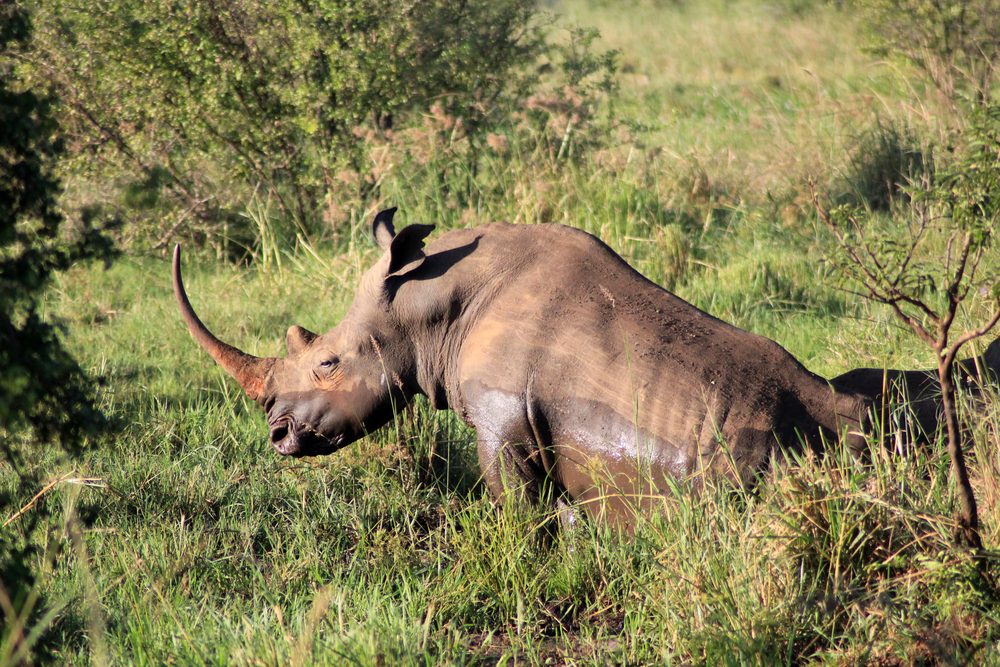
Lake Nakuru National Park is a two to three hour drive from Nairobi on good road and an extremely efficient addition to a Kenya itinerary. It delivers black and white rhinos, flamingos on the alkaline lake shore, leopards in the forest, and over four hundred bird species in a compact and well-managed park that requires only one or two nights. It works well as a stop between Nairobi and the Maasai Mara or as a standalone addition to any circuit.
Samburu:
Samburu National Reserve in Kenya’s north is worth building a separate two to three-night add-on around for the Samburu Special Five: species found nowhere else in Kenya including the reticulated giraffe, Grevy’s zebra, Beisa oryx, Somali ostrich, and gerenuk. Samburu also has excellent lion and leopard sightings along the Ewaso Ng’iro River. It takes about an hour by light aircraft from Nairobi’s Wilson Airport, making it practical as either the first or last stop on a multi-park circuit.
| Suggested Itinerary | Duration | Parks Covered | Best For |
| Classic Short Kenya Safari | 5 to 6 days | Maasai Mara, Lake Nakuru | First timers, time-limited |
| Essential Kenya Safari | 7 to 8 days | Mara, Nakuru, Amboseli | Couples, families, first timers |
| Complete Kenya Circuit | 10 to 12 days | Mara, Nakuru, Amboseli, Samburu | Repeat visitors, wildlife enthusiasts |
| Bush and Beach Kenya | 10 to 12 days | Mara, Amboseli plus Diani Beach | Beach lovers, honeymooners |
| Kenya Migration Safari | 7 to 8 days | Maasai Mara focused | July to October only |
| Kenya Birding Safari | 8 to 10 days | Multiple parks and Rift Valley | Birders, photographers |
Step 4: Decide Between Road and Air Transfers
This decision shapes the entire feel of a Kenya safari and it is worth taking seriously rather than defaulting to whichever is cheapest.
Road transfers in a 4×4 Land Cruiser between Kenya’s major parks are the standard budget and mid-range approach. Nairobi to the Maasai Mara is approximately five to six hours by road. Nairobi to Amboseli is four hours. Nairobi to Samburu is four to five hours. These journeys pass through interesting landscape and offer roadside Kenya that game drives in the parks do not include: villages, markets, small towns, the Great Rift Valley escarpment views, and the transition from highland to savannah. Many travelers enjoy them as part of the experience.
Domestic charter flights between parks reduce transfers to forty-five to sixty minutes. Light aircraft operate from Nairobi’s Wilson Airport to airstrips at the Maasai Mara, Amboseli, Samburu, and other parks. The flight itself, at low altitude over the African landscape, is a genuinely beautiful experience. The cost per flight runs USD 150 to USD 350 per person one-way depending on the route and operator. For a couple doing two or three internal flights, the total cost increase is USD 600 to USD 2,100 but the daily experience is transformed: you arrive at each new park rested, with the afternoon available for a game drive, rather than tired from a road transfer.
Step 5: Choose Your Accommodation Level
Kenya’s safari accommodation ranges from basic campsite tents with shared facilities to extraordinary luxury tented camps with private plunge pools, personal butlers, and gourmet menus that would hold their own against any restaurant. The right level depends on your priorities and budget, but understanding what each tier delivers helps you match the decision to what you actually value.
Budget Camping Safaris
Budget group camping safaris use public campsites within the national parks or basic bandas outside the park boundaries. Shared meals, shared vehicles with four to eight other travelers, and basic bathroom facilities. The wildlife viewing is identical to what a luxury lodge visitor experiences in the same park. Cost: approximately USD 150 to USD 300 per person per day including park fees and guide. Best for backpackers, young travelers, and anyone for whom the wildlife experience is the whole point and accommodation comfort is not a priority.
Mid-Range Lodge Safaris
Mid-range safari lodges offer en-suite rooms with hot water, good food, swimming pools in many cases, and private vehicles with a dedicated guide for your group. Properties in this tier in the Maasai Mara and Amboseli include Mara Sopa Lodge, Ol Tukai Lodge, Sentrim Amboseli, and similar well-regarded options. Cost: approximately USD 300 to USD 550 per person per day all-inclusive. Best for most travelers seeking a genuinely comfortable experience without luxury pricing.
Luxury Tented Camps and Lodges
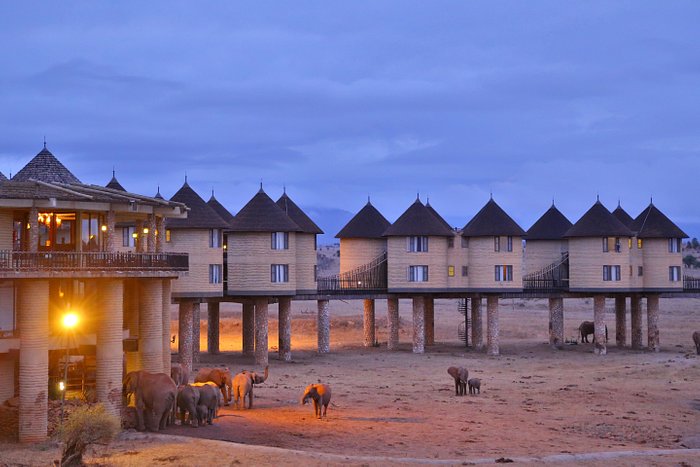
Kenya’s finest tented camps, including properties in the Mara conservancies like Angama Mara, Cottar’s 1920s Camp, and Sanctuary Olonana, or the Mara North Conservancy’s exclusive-use houses, offer private vehicles with senior naturalist guides, exceptional dining, and a level of personalised service that transforms the safari from a good experience into the best travel you have done. These properties also typically occupy the best positions within their ecosystems, inside private conservancies where off-road driving, walking safaris, and night drives are available that the national reserve does not permit. Cost: USD 700 to USD 2,000 per person per night all-inclusive.
Step 6: Sort Your Logistics
Visa Requirements
Kenya abolished its tourist visa requirement for most international visitors in January 2024 and replaced it with an Electronic Travel Authorization (ETA) that most travelers apply for online in advance at a cost of approximately USD 30.
Travel Insurance
Comprehensive travel insurance covering medical evacuation is essential for a Kenya safari. Medical facilities in Nairobi are good but safari park areas are far from hospitals and a serious medical emergency in the bush requires evacuation that can cost tens of thousands of dollars without coverage. Flying Doctor Services East Africa covers most of Kenya’s park areas and is the standard emergency evacuation service.
What to Pack
Neutral-coloured lightweight clothing in khaki, olive, beige, and light grey avoids attracting insects and does not startle wildlife. Layers are essential: the Maasai Mara at six in the morning is cold enough for a proper fleece even in the dry season, while midday can reach thirty degrees. Good binoculars genuinely transform the game drive experience and are worth investing in before the trip. Camera with at least a three hundred millimetre telephoto lens for wildlife photography. Comfortable walking shoes and light hiking boots. Sun protection and insect repellent with DEET for evenings.
Step 7: Book in the Right Order
The sequence of booking matters because different elements of a Kenya safari have different availability timelines, and booking out of order creates the risk of securing expensive components around which the other elements cannot be arranged satisfactorily.
- Set your travel dates first based on your priorities: migration season, value season, or family school holidays
- Book accommodation second, particularly for peak season travel where the best properties fill nine to twelve months in advance
- Arrange domestic flights third once lodge positions are confirmed
- Sort international flights fourth: Nairobi is a well-connected hub and international availability is rarely a problem even with relatively short notice outside the busiest holiday periods
- Handle vaccinations, travel insurance, and visa requirements at least six weeks before departure
- Arrange airport transfers last, confirmed directly with your first accommodation or through your tour operator.