
Ultimate Guide to an African Safari in Kenya
Ultimate Guide to an African Safari in Kenya: Kenya is where the word “safari” was born. The word itself is Swahili for journey.
Kenya is one of Africa’s most varied safari destinations. The country has 23 national parks, 28 national reserves, and a growing number of private conservancies that between them cover more than 8 percent of Kenya’s total land area.
Whether you are planning your first trip to East Africa or coming back for the third time with the intention of going somewhere new, this is what Kenya looks like when you look past the headline.
The Great Migration:
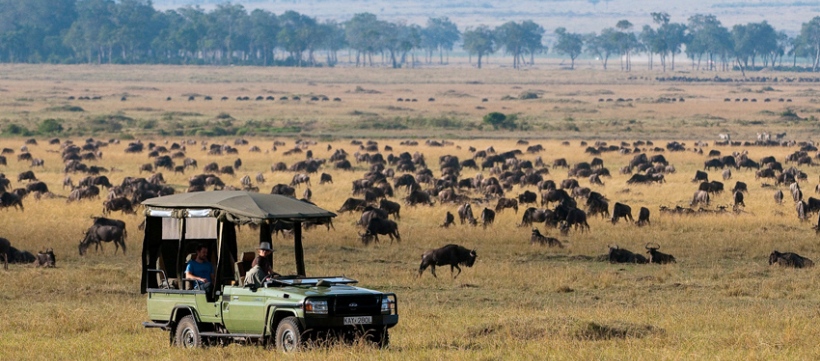
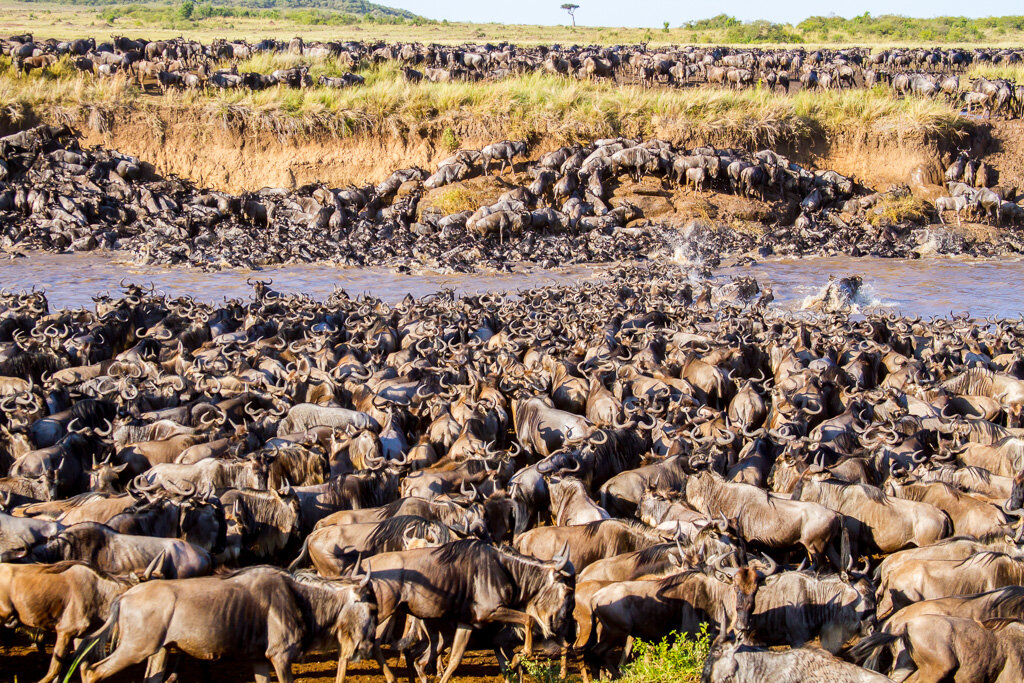
The Great Migration is the annual movement of around 1.5 million wildebeest, 300,000 zebras, and several hundred thousand gazelles across the Serengeti in Tanzania and the Maasai Mara in Kenya. It is not a single event with a fixed start and end date. It is a continuous cycle driven by rainfall and the growth of fresh grass, with the animals following an enormous clockwise loop across the ecosystem throughout the year. The famous Mara River crossings, where the wildebeest plunge into crocodile-filled water to cross into Kenya, happen roughly between July and October, though the timing shifts year to year depending on the rains.
This crossing period, particularly August and September, is when the Maasai Mara is at its busiest and most expensive. Vehicles from multiple camps can converge on a river crossing simultaneously, which means you are watching one of nature’s most dramatic events from a crowd. That does not make it less impressive, but it is worth knowing.
Most Notable Kenya Safari Holidays
Maasai Mara National Reserve
The Maasai Mara National Reserve covers 1,510 square kilometers of open savannah, riverine forest, and rolling grassland in southwestern Kenya, bordering Tanzania’s Serengeti to the south. The reserve itself is what most people mean when they say the Maasai Mara. But the broader Mara ecosystem, which includes conservancies like Naboisho, Olare Motorogi, Mara North, and Ol Kinyei, covers a significantly larger area and offers a very different experience. Big cats are the Mara’s most celebrated wildlife. The reserve and surrounding conservancies consistently produce some of the best wildlife sightings anywhere in Africa.
Amboseli National Park:
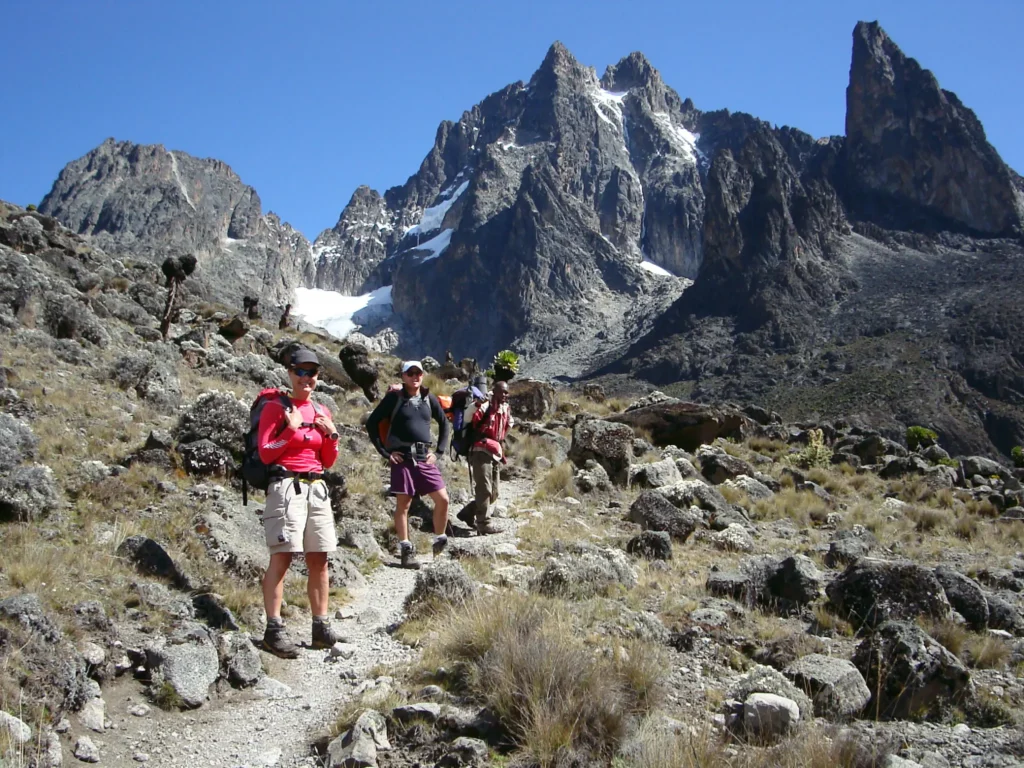
Amboseli is a small park by Kenyan standards, covering only 392 square kilometers in southern Kenya. The park is best known for large numbers of elephant encounters and the backdrop of Mount Kilimanjaro rising to 5,895 meters across the border, Africa’s highest peak.
The elephant herds in Amboseli are among the most well-studied in Africa, with research dating back to the 1970s. Amboseli is a strong birding destination, with over 600 species recorded in the park and surrounding ecosystem. Amboseli works well as a first or last stop in a Kenyan safari, as it lies about 225 kilometers from Nairobi and the airstrip is served by multiple daily flights.
Samburu National Reserve:
Samburu National Reserve is about 330 kilometers from Nairobi and it is where one can spot the special five types of wildlife that do not exist anywhere else in the country. The reserve is centered on the Ewaso Ng’iro River, which cuts through a landscape of dry acacia scrub, red soil, and dramatic rocky outcrops. This river is the reason Samburu works as a wildlife destination. In a semi-arid environment where water is scarce for much of the year, the permanent river draws animals from across a wide area and keeps them concentrated and visible. The Samburu Special Five include the Grevy’s zebra, reticulated giraffe, Beisa oryx, Somali ostrich and gerenuk.
Tsavo East & Tsavo West:
Tsavo is the largest protected area in Kenya and one of the largest in East Africa, covering approximately 22,000 square kilometers divided into east and west by the Nairobi to Mombasa highway. For visitors who want a genuine wilderness experience without other vehicles around them, Tsavo is the most reliable option Kenya offers.
Tsavo East is the larger and more open half. The landscape is semi-arid, with sweeping red dust plains, Borassus palms, and the Galana River cutting through the middle.
Tsavo West is greener, more mountainous, and more varied in its habitats. The park’s proximity to the Kenyan coast, three to four hours by road from Mombasa, makes it a natural add-on to a beach stay.
Lake Nakuru National Park:
Lake Nakuru National Park is about 188 square kilometers and sits in the Great Rift Valley, which is about 160 kilometers northwest of Nairobi. It is best known for the flamingos that gather on the alkaline lake in large numbers when conditions are right, turning the shoreline pink from a distance. The flamingo concentrations fluctuate significantly with the lake’s water level and chemistry, and in recent years the rising water has reduced the algae that feeds them and pushed the birds to other Rift Valley lakes.
Meru National Park:
Meru is one of Kenya’s less-visited parks and one of its most rewarding. It gained international fame as the setting for Joy Adamson’s book Born Free, which documented the reintroduction of the lioness Elsa into the wild here in the 1950s.
Best Time to Go on a Kenya Safari
July to October — Peak Season and Great Migration
The dry season from July to October is Kenya’s busiest and most expensive safari period. Wildlife concentrates at permanent water sources; the grass is low and wildlife sightings are great.
This is the time to come if the Great Migration crossing is your primary goal or if you want the most reliable wildlife viewing conditions. Book accommodation and flights at least four to six months in advance for August and September at the Mara.
January and February — Hot Dry Season
January and February offer excellent wildlife viewing opportunities and are significantly cheaper than the July to October peak. Kilimanjaro is clearest from Amboseli during these months. The short dry season brings good game drives across most parks, and the Mara in January and February is uncrowded while still holding its permanent lion and leopard populations. This is one of the best value safari periods for a Kenya safari.
November to December — Short Rains
The short rains run roughly from November through December. Showers typically come in the afternoon and do not last all day, and wildlife viewing remains good. The landscape is green and lush, accommodation rates drop, and the parks are quieter.
March to June — Long Rains
The long rains from March to June are Kenya’s quietest and cheapest safari season. April and May see the heaviest rainfall, and some camps close for maintenance during this period.
Planning Your Kenya Safari
How Many Days Do You Need?
7 to 10 days gives you enough time to cover two or three parks comfortably, with two to three nights in each. Most visitors flying from Europe or North America lose the first day to travel and the last day to a return flight; therefore, a 10-day trip effectively gives you eight days in the field. A two-week itinerary is enough to cover the Mara, Amboseli, and one northern park like Samburu or Laikipia. Three weeks gives you the full experience, adding Tsavo or Meru and leaving time for a coastal beach stay at Diani or a cultural visit near Nairobi.
Flying Between Parks vs Driving
Kenya has a well-developed network of airstrips serving every major park and conservancy. Flying between parks saves time and avoids the fatigue of long road journeys on rough roads. The cost is significant, typically between USD 150 and USD 400 per person per sector, but on a shorter Kenya trip the time saved can mean the difference between two nights in a park and three. Road travel makes sense for shorter inter-park distances, for budget-conscious travelers, and for itineraries where the road journey itself passes through interesting terrain.
Choosing Your Accommodation
Kenya safari accommodation ranges from basic tented camps run by community conservancies to some of the most expensive tented lodges in Africa. The location of your camp within or around the park matters more than the price bracket. A well-positioned mid-range camp beats an expensive lodge that is too far from the wildlife.
Some of Our Top Kenya Safari Packages
Below are some of our well-crafted Kenya safari packages covering the country’s most rewarding parks and conservancies. All packages are fully customizable; accommodation tier, group size, and activity combinations can all be adjusted to fit your travel dates and budget. Contact us for a tailored itinerary and current pricing specific to your travel timeline.
5 Day Maasai Mara Classic Safari
Duration: 5 Days / 4 Nights
Parks & Destinations: Nairobi → Maasai Mara National Reserve
Starts: Nairobi, Kenya
Best For: First-time safari visitors, couples, families
Price Guide: From USD 1,850 per person (mid-range) | From USD 3,400 per person (luxury)
This is the entry point for a Kenya safari and it covers the most important ground. Five days in and around the Maasai Mara gives you enough time to properly experience one of the world’s best wildlife destinations without rushing.
7-Day Maasai Mara and Amboseli Safari
Duration: 7 Days / 6 Nights
Parks & Destinations: Nairobi → Amboseli National Park → Maasai Mara National Reserve
Starts: Nairobi, Kenya
Best For: Wildlife photographers, couples, first and return visitors
Price Guide: From USD 2,800 per person (mid-range) | From USD 5,200 per person (luxury)
On this one-week safari, visit two of Kenya’s best parks back-to-back. Amboseli comes first because the light on Kilimanjaro is clearest in the morning and you want your best mountain days early when you are fresh. The Mara comes next. Seven days is enough to do both properly without feeling like you are being moved from place to place before you have had time to settle in.
8-Day Kenya Northern Circuit — Samburu, Laikipia and Maasai Mara
Duration: 8 Days / 7 Nights
Parks & Destinations: Nairobi → Samburu National Reserve → Ol Pejeta Conservancy (Laikipia) → Maasai Mara
Starts: Nairobi, Kenya
Best For: Repeat visitors, wildlife specialists, photographers, rhino enthusiasts
Price Guide: From USD 3,900 per person (mid-range) | From USD 7,500 per person (luxury)
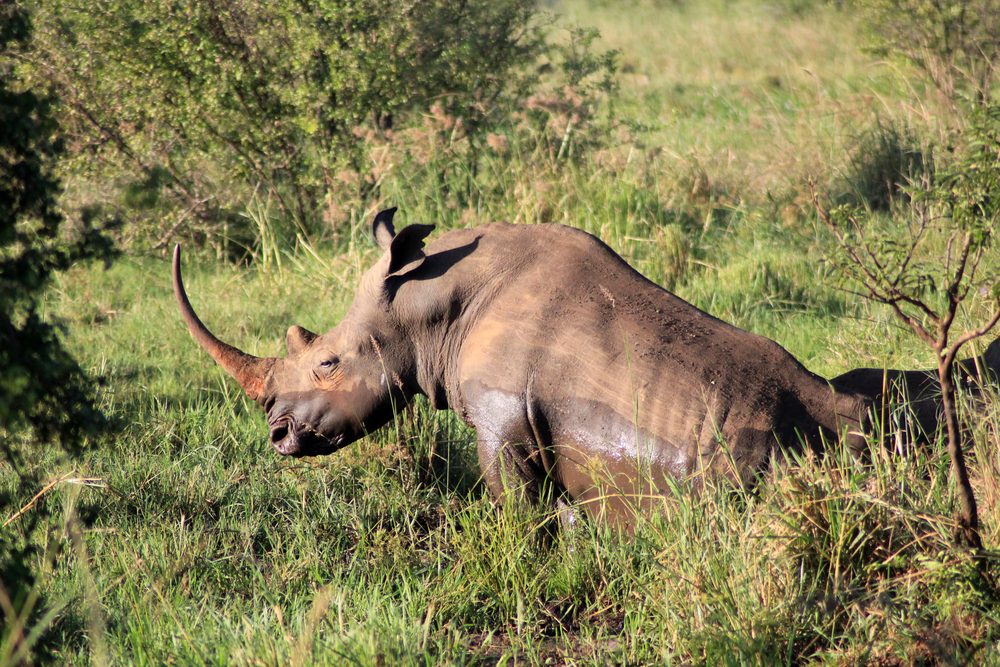
This itinerary takes you through three completely different ecosystems in eight days, starting in the arid north and finishing on the Mara plains. The Samburu Special Five; the black and white rhinos of Ol Pejeta, including the last two northern white rhinos on earth; and the big cats of the Mara together cover more wildlife ground than any other comparable Kenyan circuit.
10-Day Kenya Grand Safari — Samburu, Mara, Amboseli and Tsavo
Duration: 10 Days / 9 Nights
Parks & Destinations: Nairobi → Samburu → Maasai Mara → Amboseli → Tsavo West → Mombasa Coast
Starts: Nairobi, Kenya
Best For: Comprehensive first-time visitors, photographers, safari and beach travelers
Price Guide: From USD 5,200 per person (mid-range) | From USD 9,800 per person (luxury)
Ten days covers Kenya’s safari landscape, from the dry north to the open plains of the Mara, the elephant herds of Amboseli, and the wild red-dust country of Tsavo, finishing with three nights on the Indian Ocean coast. This is the itinerary for visitors who want to come once and see as much of Kenya as possible in a single trip, without spending more time on planes than in the field.