
Ol Pejeta Conservancy
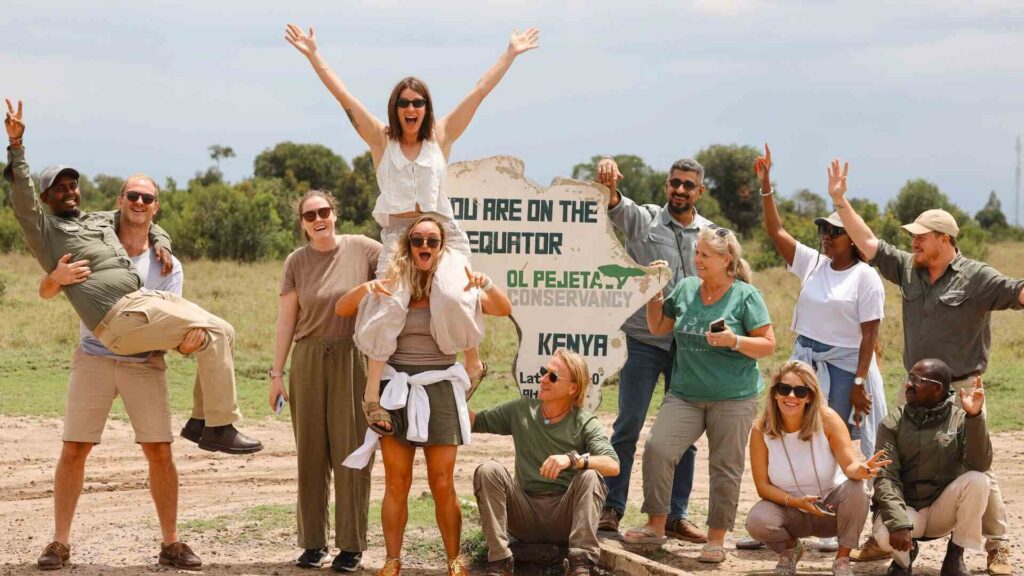
Ol Pejeta Conservancy is not a national park, and that distinction explains almost everything about how a visit here works. It is a not-for-profit conservancy of roughly 360 square kilometres (about 90,000 acres) on the Laikipia Plateau, straddling the equator between Mount Kenya and the Aberdare Range, a little west of Nanyuki.
Tourism revenue is reinvested directly into wildlife protection and surrounding communities, which is why the conservancy can run activities, such as night drives and lion tracking, that most Kenyan national parks do not permit.
Two things draw most visitors. Ol Pejeta protects Najin and Fatu, the last two northern white rhinos alive, and it hosts the Sweetwaters Chimpanzee Sanctuary, the only place in Kenya where chimpanzees can be seen.
But the conservancy is also the largest black rhino sanctuary in East Africa, holds more than 165 eastern black rhinos by recent counts, and delivers a full Big Five day out within about three and a half hours of Nairobi. This guide covers whether it suits your trip, what it costs, and how to sequence your time.
Is Ol Pejeta Right for Your Trip?
Ol Pejeta suits travellers who want a conservation story attached to their wildlife, those with limited time who still want Big Five odds, and families, since the entry fee covers several attractions that work well for children. Its distance from Nairobi makes it one of the easiest conservancies to fit into a short itinerary, and the terrain is open enough that sightings are rarely a struggle.
It is a weaker fit if your priority is a remote, wilderness feel. Ol Pejeta is busy by conservancy standards, it allows self-drive, and the northern white rhino encounter is a scheduled, supervised visit rather than a chance sighting. Travellers chasing the Great Migration will want the Mara conservancies covered later in this series instead, though Ol Pejeta pairs well with them as a first or last stop.
Why Ol Pejeta Stands Out
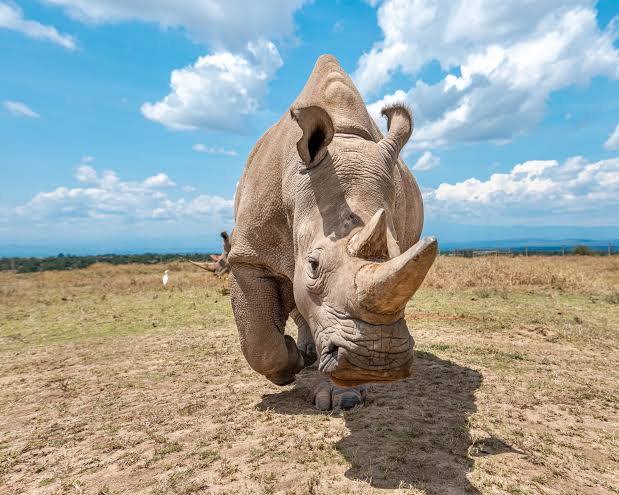
The northern white rhino story is the headline. Najin and Fatu, mother and daughter, live in a dedicated enclosure of roughly 700 acres under 24-hour armed protection. Neither can breed naturally, and their survival is now a matter of assisted reproduction science rather than ordinary wildlife management. Seeing them is less a safari sighting than a visit to one of the most urgent conservation situations on earth, and many visitors describe it as the most affecting hour of a Kenya trip.
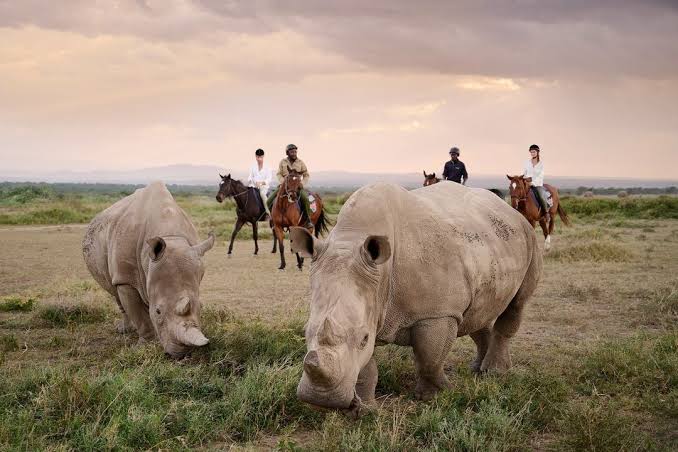
Beyond that, Ol Pejeta began as a sanctuary for the endangered black rhino and recorded its 100th black rhino birth in 2013, earning a top-tier IUCN population classification. Lions, elephants, buffalo, giraffe, Grevy’s zebra and over 300 bird species share a landscape of savannah, acacia woodland, wetlands and riverine forest. The conservancy also runs cattle alongside wildlife, an unusual working model that shows how livestock and conservation can coexist.
Getting There and Timing
The drive from Nairobi takes roughly three and a half hours, entering through gates such as Rongai or the main entrance near Nanyuki. Scheduled and charter flights also serve Nanyuki and the conservancy’s own airstrip, which suits travellers combining Ol Pejeta with the Mara by air.
Two to three nights is the sensible minimum: one afternoon for the rhino enclosure and sanctuary, one full day for game drives, and a third for activities like lion tracking or a night drive.
The dry seasons, June to October and January to February, give the clearest viewing, though Ol Pejeta is rewarding year-round because its wildlife is resident rather than migratory. The green months, April to May and November, bring lower rates and fewer vehicles at the cost of muddier tracks.
Entry Fees and What They Include
Conservancy fees are revised periodically and sources currently disagree: figures between roughly $85 and $110 per non-resident adult appear for 2026. Confirm the current tariff on Ol Pejeta’s official booking portal before budgeting.
Most 2026 sources put the non-resident adult entry fee at about US$110, with roughly US$55 for children aged 3 to 11, a student rate near US$32, and lower rates for East African citizens and residents. One operator cites about US$85, which may reflect an older or package rate. Ol Pejeta is cashless at the gate, accepting cards, M-Pesa and eCitizen, and it was the first Kenyan conservancy to offer online entry booking, which saves time at the gate.
Entry is generally valid for 24 hours for overnight guests, and leaving and re-entering can trigger a second fee, which matters if you stay outside the conservancy and plan an evening activity. The fee includes ordinary self-drive game viewing, the Sweetwaters Chimpanzee Sanctuary (open roughly 8:30am to 12:30pm and 2pm to 4:30pm), Baraka the blind black rhino, the Morani Information Centre and a nature trail.
Activities Worth Paying For
The northern white rhino encounter is a dedicated, advance-booked 45-minute visit costing about US$70 per adult and US$35 per child on top of entry. Sessions run several times daily, and welfare or operational needs can change access, so book ahead rather than assuming a slot. Lion tracking, night game drives and the behind-the-scenes chimpanzee tour are each listed at around US$70 per person, with a short conservation talk at about US$20.
Night drives are the standout for experienced safari-goers, since they reveal species such as aardvark, bat-eared fox and leopard that daytime drives rarely deliver. Lion tracking works with the conservancy’s research team and is worth including if lions are a priority. Baraka, the blind black rhino who can be fed by hand, tends to leave a stronger impression than visitors expect.
Where to Stay
Accommodation inside the conservancy spans a wide range. Ol Pejeta Bush Camp, run by Asilia Africa, is a seven-tent camp with 2026 rates reported between about US$600 and US$920 per night, with conservancy fees and special activities extra.
Sweetwaters Serena Camp and several other lodges cover the mid-range and upper mid-range, while self-catering options keep costs lower for budget travellers; one source lists single full-board stays from about US$70.
Staying inside means you avoid repeat entry fees and can join dawn and dusk activities easily. Staying in Nanyuki is cheaper but adds transfer time and potential re-entry charges.
What a Visit Costs
A three-day Ol Pejeta safari from Nairobi is quoted from roughly £940 to £2,662 per person sharing, depending on season and accommodation, including transport, full board, conservancy fees and a driver-guide. Four-day budget packages from around US$1,450 per person appear for 2026, with the northern white rhino visit, lion tracking and night drives as paid extras. Add the Kenya eTA, roughly US$30 to 34, and international flights.
| Item | Approximate 2026 Cost |
| Non-resident adult entry | US$85-110 per day (verify) |
| Northern white rhino visit | US$70 adult / US$35 child |
| Lion tracking, night drive, behind-the-scenes chimp tour | About US$70 each |
| Ol Pejeta Bush Camp | US$600-920 per night |
| 3-day package from Nairobi | £940-2,662 per person sharing |
Which Travellers Does It Suit?
- Families: the sanctuary, Baraka and the education centre are included in entry.
- Conservation-minded travellers: few places show rhino recovery and species extinction this directly.
- Short-trip travellers: strong Big Five odds within 3.5 hours of Nairobi.
- Experienced safari-goers: night drives and lion tracking add genuine variety.
- Wilderness seekers: better served by the more remote Mara conservancies.
Frequently Asked Questions
Can I really see the last northern white rhinos?
Yes. Najin and Fatu can be visited through a dedicated, advance-booked 45-minute experience, roughly US$70 per adult. Access can change for welfare or operational reasons, so confirm before you travel.
How big is Ol Pejeta Conservancy?
About 360 square kilometres, or roughly 90,000 acres, in Laikipia County, central Kenya.
Is Ol Pejeta a national park?
No. It is a not-for-profit conservancy, which allows activities such as night drives and lion tracking that national parks generally prohibit.
Does the entry fee include the chimpanzee sanctuary?
Yes. Entry includes Sweetwaters Chimpanzee Sanctuary, Baraka the blind rhino, the Morani Information Centre and a nature trail.
Can I pay in cash at Ol Pejeta?
No. The conservancy is cashless; use a card, M-Pesa or eCitizen.
Ol Pejeta earns its reputation by pairing reliable wildlife with a conservation story you can see rather than just read about. For most Kenya itineraries it works best as a two or three night stop before or after the Mara, with the northern white rhino visit booked in advance and a night drive added if you want something beyond a standard game drive.
If you would like help sequencing Ol Pejeta with Laikipia’s other conservancies or the Maasai Mara, our team can build the itinerary around your dates and budget, with current fees confirmed rather than estimated.
