
Mwingi National Reserve: Complete Travel Guide
Mwingi National Reserve covers 745 square kilometers of hot, dry, open savannah and acacia woodland in northeastern Kenya, one of three protected areas that make up the roughly 4,400 square kilometer Meru Conservation Area alongside Kora National Park and Bisanadi National Reserve.
Bordering both Kora and Meru National Park, Mwingi sits firmly off the beaten path, classified by Kenya Wildlife Service as a wilderness activity zone rather than a conventional game-viewing park, a distinction that shapes everything about how this reserve should be approached and enjoyed.
This guide explains what that classification means in practice, what draws travellers to Mwingi despite its modest wildlife density, and how to plan a visit to one of Kenya’s truly remote, lightly developed protected areas, including the realistic logistics you’ll need to work through before committing to the trip.
Should You Visit Mwingi National Reserve?
Mwingi suits experienced travelers who have already done a conventional Kenya safari and want something structurally different: a self-reliant, activity-focused wilderness visit rather than a predictable game drive circuit. If you’re drawn to fly camping, fishing on the Tana River, or horseback and camel safaris through properly remote terrain, Mwingi delivers an experience that few other Kenyan reserves can match.
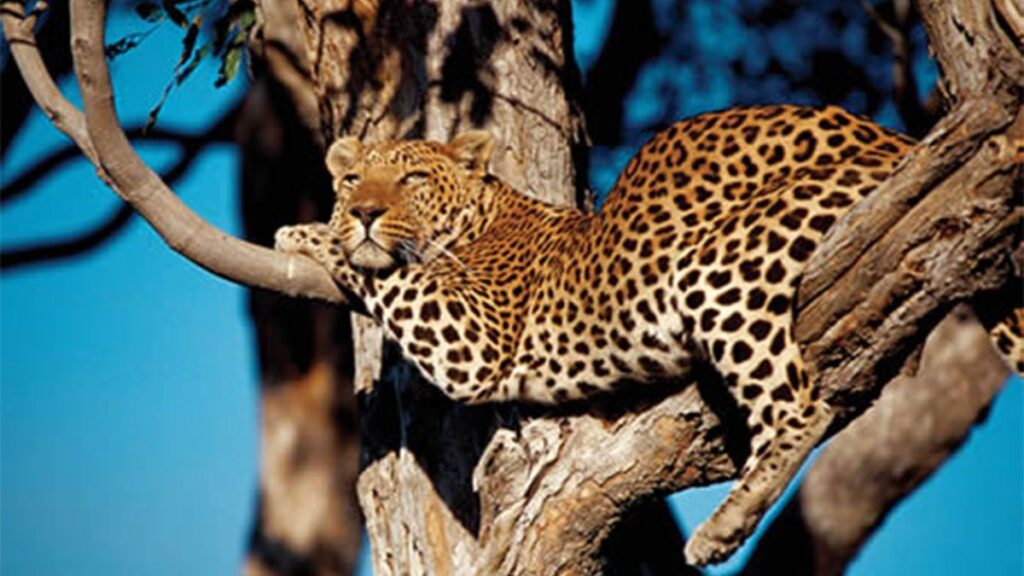
It does not suit travellers looking for reliable, high-density wildlife sightings. The Kenya Wildlife Service itself describes resident wildlife populations here as fairly low, with hippo, crocodile, buffalo and warthog as the most consistent sightings, supplemented by elephant, lion, leopard, caracal and various antelope that move through from neighboring Kora and Meru.
This is honest framing worth taking seriously: Mwingi’s appeal rests on remoteness, activity variety and the broader Meru Conservation Area’s history, not guaranteed Big Five encounters.
Logistics matter more here than at almost any other reserve covered in this series. There’s no accommodation within Mwingi itself, access roads require real planning, and visitors need to be largely self-sufficient, bringing water, food, fuel and, for overnight stays, full camping equipment. This is a reserve for travelers comfortable with that level of self-reliance, ideally arranged through an operator experienced in this specific corner of Kenya.
Why Mwingi Is Worth Knowing About
Mwingi’s real value lies in its position within the wider Meru Conservation Area, a landscape with a conservation history that extends well beyond the reserve’s own boundaries. Neighbouring Kora National Park was the long-term home of George Adamson, the conservationist who, together with his wife Joy, raised the lioness Elsa before her release into the wild, a story that became the book and film Born Free. Kampi ya Simba, George Adamson’s former camp, and what’s locally understood to be the grave of Elsa herself, remain accessible as excursions from Mwingi, giving the reserve a connection to one of African conservation’s most influential stories.
The terrain itself, open savannah, acacia and commiphora woodland, and sandy seasonal riverbeds known locally as luggas, cut through by the Tana River, has a stark, largely unmodified character that reflects decades of minimal tourism development. Adamson’s Falls, a scenic waterfall on the Tana River, is a notable landmark within reach of the reserve, along with fishing and boating opportunities along the same river system.
Elephant movement between Mwingi and the neighboring Tsavo and Meru ecosystems forms part of a broader corridor system that conservationists have worked to protect as human settlement expands across this part of Kenya. Visiting Mwingi, even briefly, connects you to this larger conservation picture in a way that’s harder to appreciate from within a more developed, heavily visited park.
Where Is Mwingi and How Do You Get There?
Mwingi sits roughly 280 kilometers from Nairobi, a drive of five to six hours via Thika Road to Matuu, then on through Mwingi town. From Kitui town, the reserve is roughly 125 kilometers north via Mwingi town. A 4×4 vehicle is strongly recommended, particularly during the rainy season when road conditions deteriorate significantly.
An alternative route approaches from Meru National Park via Adamson’s Bridge through Kora National Park, a sensible option if you’re already visiting Meru and want to extend into this wilder, less developed neighboring landscape.
Chartered flights from Nairobi’s Wilson Airport land at the nearest airstrips within Meru or Kora National Parks, with a road transfer to complete the journey into Mwingi itself. Whichever approach you choose, build in a comfortable buffer for the final stretch, since this is not a route where tight scheduling pays off.
Kitui County authorities have indicated ongoing efforts to improve access infrastructure, so road conditions here may continue to evolve over the coming years. Confirm current route conditions with your operator before travel rather than relying on older information, particularly if you’re planning a self-drive trip rather than booking through a specialist guide.
When to Visit: Seasons and Weather
| Season | Months | What to Expect | Best For |
| Peak dry season | June – October | Driest conditions, most reliable road access | General visits, fishing, horseback and camel safaris |
| Short dry spell | December–mid-January | Favorable conditions outside the main peak | Travellers wanting dry-season access with fewer visitors |
| Long rains | April – June | Heaviest rainfall, roads frequently difficult or impassable | Not generally recommended given access challenges |
| Short rains | November–mid-December | Intermittent showers, variable road conditions | Flexible travellers who’ve confirmed current access with an operator |
Given how heavily a Mwingi visit depends on road conditions, timing your trip for the dry season isn’t just a comfort preference here; it’s close to a practical necessity. Confirm current conditions directly with your operator regardless of the calendar month, since this remote location can see access change quickly after unexpected rainfall.
How Much Does a Visit Cost
| Component | Notes |
| Park entry | Confirm current Kenya Wildlife Service rates with your operator; they are not published in detail for this reserve. |
| Specialist guide and vehicle | Essential given the remote terrain and limited infrastructure; typically arranged as part of a full package |
| Fly camping and activity packages. | Priced per trip by specialist operators; costs vary significantly based on group size and activity mix |
| Fuel and supplies | Budget for self-sufficiency, since no services exist within the reserve itself |
Because Mwingi has essentially no independent tourism infrastructure, pricing here is almost entirely a function of which specialist operator you book through, rather than a standardized fee structure you can budget against in advance.
Request a detailed, itemized quote before committing, and confirm exactly what’s included, vehicle, guide, camping equipment, food and water, since gaps in a quote here tend to surface as unwelcome surprises mid-trip rather than minor inconveniences, given how far you’ll be from any alternative supplier.
Where to Stay
There is no accommodation within Mwingi itself. Self-catering options exist in Meru National Park and in the towns of Mwingi and Thika, and most visitors either fly camp within the reserve as part of an organized activity package or base themselves at a property in neighboring Meru National Park and visit Mwingi as an extended excursion.
Fly Camping
A mobile, lightweight camping style arranged by specialist operators, fly camping is the most immersive way to experience Mwingi’s remoteness directly, typically set up fresh at each new location rather than fixed in one spot.
Meru National Park Lodges
For travelers who prefer a fixed base, Meru’s established lodges offer comfortable accommodation within a reasonable distance of Mwingi, allowing day or multi-day excursions into the reserve without fully committing to a self-sufficient camping trip.
What to Do in Mwingi
Fly Camping
The reserve’s signature way to experience its wilderness character, offering an immersive, low-infrastructure camping experience under truly dark, remote skies.
Fishing and Boating on the Tana River
The Tana River offers both fishing and boating opportunities within the reserve, a distinctive activity combination not widely available elsewhere in Kenya’s protected area network.
Camel and Horseback Safaris
Specialist operators run camel and horseback excursions through Mwingi’s terrain, offering a slower, more immersive way to cover ground than a conventional vehicle-based game drive.
Visiting Kampi ya Simba and Elsa’s Grave
An excursion to George Adamson’s former camp in neighboring Kora National Park, along with the nearby site understood to be Elsa the lioness’s grave, connects a Mwingi visit directly to one of African conservation’s most significant stories.
Adamson’s Falls
A scenic waterfall on the Tana River, worth including as a stop during a broader exploration of the reserve and its river system.
Understanding the Meru Conservation Area
Mwingi makes more sense once you understand it as one piece of a larger whole rather than a stand-alone reserve. The Meru Conservation Area spans roughly 4,400 square kilometers and combines Meru National Park, Kora National Park, Bisanadi National Reserve and Mwingi itself into a connected landscape, each component managed slightly differently but functioning ecologically as a single system.
Wildlife moves across these boundaries freely, which is exactly why Mwingi’s own resident population looks modest on paper while the broader conservation area supports considerably more.
This structure also explains why so much of what’s worth seeing near Mwingi, Kampi ya Simba, Elsa’s grave, and Adamson’s Falls sits technically within Kora rather than Mwingi’s own boundaries. Thinking of a Mwingi visit as an extension into this wider conservation area, rather than a single, self-contained destination, gives a more accurate picture of what the trip actually involves and makes planning considerably more straightforward.
What a Typical Itinerary Looks Like
Most successful Mwingi trips follow a similar pattern: a few days based in Meru National Park at an established lodge, using the park’s own infrastructure and wildlife density as the itinerary’s anchor, followed by a dedicated excursion or two into Mwingi and Kora for fly camping, fishing or a horseback outing, then a return to Meru or straight back to Nairobi.
This structure balances Mwingi’s remote, activity-focused appeal against the practical reality that it offers little standalone tourism infrastructure of its own.
Specialist operators who run trips into this region typically handle the logistics of moving between these areas, arranging permits, guides and equipment transfers so that travellers aren’t left managing multiple separate bookings across what is, in practice, a single connected itinerary.
Who Mwingi Suits Best
| Traveller Type | Fit | Why |
| Experienced, adventurous travellers | Excellent | Remote, self-reliant activities including fly camping, fishing and camel safaris |
| Conservation history enthusiasts | Strong | Direct connection to George and Joy Adamson’s story via neighboring Kora National Park |
| Travellers wanting an uncrowded Kenya experience | Strong | Minimal tourism development and very low visitor numbers |
| First-time safari travellers seeking reliable wildlife sightings | Not recommended | Low resident wildlife density makes this unsuitable as a primary game-viewing destination |
| Travellers without a specialist operator | Not recommended | Logistics, access and self-sufficiency requirements make independent travel here quite difficult |
Frequently Asked Questions
Is Mwingi National Reserve good for wildlife viewing?
Not in the conventional sense. Resident wildlife density is low, with hippo, crocodile, buffalo and warthog the most reliable sightings, supplemented by animals moving through from neighboring Kora and Meru. Mwingi’s appeal rests on its remoteness and activity variety rather than guaranteed game sightings.
Can I visit Mwingi independently without a tour operator?
It’s possible but considerably difficult, given the lack of accommodation, limited infrastructure and the self-sufficiency required for water, food and camping equipment. Most visitors arrange their trip through a specialist operator experienced in this specific region.
What is the connection between Mwingi and Born Free?
Neighboring Kora National Park was the long-term home of George Adamson, who raised the lioness Elsa alongside his wife Joy, a story that inspired the book and film Born Free. Kampi ya Simba, his former camp, and the site understood to be Elsa’s grave, are accessible as excursions from Mwingi.
Is a 4×4 vehicle necessary?
Yes, strongly recommended year-round and essential during the rainy season, when roads into and within the reserve can become difficult or impassable.
Where should I stay if I don’t want to camp?
Established lodges in neighboring Meru National Park offer a comfortable fixed base, from which Mwingi can be visited as a day or multi-day excursion rather than requiring a full camping commitment.
How does Mwingi compare to Meru National Park?
Meru offers considerably more developed tourism infrastructure and higher wildlife density, while Mwingi delivers a wilder, more activity-focused experience with far fewer visitors. Many travellers use Meru as a base and treat Mwingi as an adventurous extension.
How many days should I plan for a Mwingi extension?
Two to three days is typical for a worthwhile visit, enough time for a fly camping night, a fishing or boating session on the Tana River, and an excursion to Kampi ya Simba, without rushing between activities in a single long day.
Is Mwingi suitable for children or first-time campers?
Not generally. The self-sufficiency required, combined with properly remote terrain and limited emergency infrastructure, makes this better suited to experienced travellers and campers rather than families with young children or anyone new to wilderness camping.
Planning Your Visit
Mwingi rewards travellers who approach it with the right mindset: this is a wilderness activity destination built on self-reliance and remoteness, not a conventional game-viewing park. Work with a specialist operator who knows the current road conditions and can arrange the camping, fishing or horseback logistics properly, and treat any wildlife sightings as a welcome bonus rather than the central reason for the trip.
This isn’t a reserve to improvise. The payoff for proper planning, real wilderness, meaningful conservation history and activities you won’t find packaged elsewhere in Kenya, is substantial, but it depends entirely on getting the logistics right from the start rather than treating Mwingi as a casual add-on to a more conventional itinerary.
If you’re considering Mwingi as an extension to a Meru National Park safari, or want help understanding whether this kind of remote, activity-focused visit suits your travel style, our team can walk through the logistics honestly and help you decide.


