
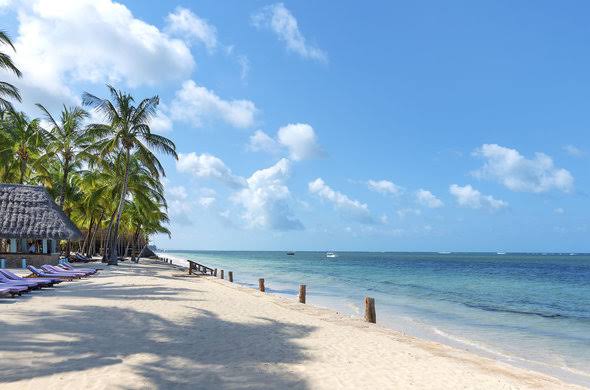
Malindi Marine National Reserve: The Complete Travel Guide
Malindi Marine National Park, together with its surrounding reserve, has a strong claim to being the oldest marine protected area in Africa, gazetted in 1968, years before most of the continent’s coastal conservation framework existed.
It covers a modest six square kilometres directly off Malindi town in Kilifi County, small enough that you can comfortably explore its reef systems in a single morning, yet rich enough in fish life, with more than 600 recorded species, to hold the attention of serious snorkellers and complete beginners alike.
This guide sets out what the park actually offers, how it compares to its larger neighbour at Watamu, and how to plan a visit that fits whatever kind of coastal trip you’re already building, whether that’s a short add-on to a Malindi beach stay or a dedicated marine-focused few days.
Should You Visit Malindi Marine National Reserve?
Malindi Marine suits almost anyone already spending time in Malindi town, and that’s precisely why it works so well as part of a broader Kenyan coast itinerary. Unlike Kiunga further north, there’s no advisory consideration here, no complex boat logistics and no need for specialist planning. You can decide the morning you wake up in Malindi that you want to see the reef, and be in the water or on a glass-bottom boat within the hour.
It particularly suits families with young children or non-swimmers, since glass-bottom boat tours let everyone see the coral and fish life without getting wet, and it suits first-time snorkellers who want a gentle, well-supervised introduction to reef environments before attempting something more adventurous elsewhere.
Confident divers and snorkellers who have already experienced larger reef systems may find it a pleasant half-day rather than a standout highlight, since its small size means you’ll cover the main sections relatively quickly.
Where it suits people less is as a dedicated multi-day marine destination. If extended reef time is your priority, Watamu Marine National Reserve just up the coast offers a larger protected area and a wider range of dive sites, and is often paired with a Malindi visit rather than chosen instead of it.
Why Malindi Marine Matters
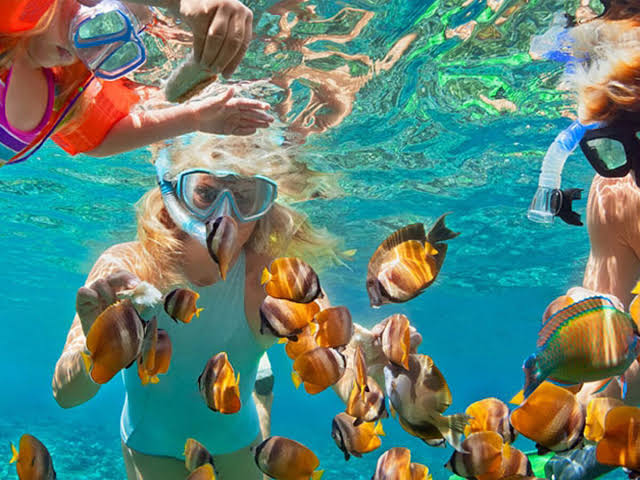
Being Africa’s first gazetted marine park gives Malindi a historical weight that goes beyond its modest size. Decades of protection have allowed its reef systems to mature in ways that newer marine parks are still working toward, and the result is a dense, well-established fish population that includes angelfish, butterflyfish, parrotfish, surgeonfish and groupers in reliable numbers close to shore.
Seagrass beds within the park function as nurseries for juvenile fish, supporting the broader health of the reef ecosystem, and green and hawksbill turtles are frequently seen grazing in these shallow beds, often close enough for a good look without needing to chase them down. Dolphins make occasional appearances offshore, usually spotted from boats transiting between the park and open water rather than from the reef itself.
The reef here runs roughly parallel to the coastline, which has a practical benefit: conditions tend to be calmer and more predictable than at more exposed sites, making Malindi a forgiving place to snorkel even for travellers without much ocean experience.
Where Is Malindi Marine and How Do You Get There
The park sits directly off Malindi town on Kenya’s central coast, in Kilifi County, roughly 118 kilometres north of Mombasa by road. Most visitors are already staying in or near Malindi for a beach holiday, which makes access about as simple as it gets among the reserves on this list: a short boat transfer from the town’s jetty or a nearby beach puts you inside the park within minutes.
If you’re arriving specifically for the marine park rather than a broader Malindi stay, flights connect Nairobi and Mombasa to Malindi Airport in under an hour, with road transfers from Mombasa taking roughly two to two and a half hours along the coastal highway. No specialist arrangement is needed. Licensed boat operators run regular trips from Malindi’s beaches, and most hotels can book one directly for you.
When to Visit: Seasons and Weather
| Season | Months | What to Expect | Best For |
| Northeast monsoon (Kaskazi) | December – March | Calm seas, excellent underwater visibility, warm dry weather | Snorkelling, diving and glass-bottom boat trips |
| Long rains | April – June | Heavier rainfall, rougher seas, reduced visibility | Lower-cost travel for those flexible on conditions |
| Southeast monsoon (Kusi) | July – September | Cooler, windier conditions, choppier water close to shore | Travellers prioritising cooler weather over ideal sea conditions |
| Short rains and shoulder season | October – November | Improving conditions as the year moves toward the dry season | A quieter alternative to the December to March peak |
December through March consistently delivers the clearest water and calmest conditions, and it’s when most dedicated snorkelling and diving trips are booked. If your priority is price rather than ideal underwater visibility, the shoulder months around October and November offer a reasonable middle ground, with fewer crowds and generally manageable sea conditions.
How Much Does a Visit Cost
| Component | Typical Cost Range | Notes |
| Park entry (non-resident) | USD 15 – 25 per day | Set by Kenya Wildlife Service; always confirm current rates with your operator |
| Glass-bottom boat tour | USD 20 – 40 per person | Typically a one- to two-hour excursion, often including light refreshments |
| Guided snorkelling trip | USD 30 – 60 per person | Equipment usually included; confirm mask and fin availability for children |
| Diving (where offered nearby) | USD 70 – 120 per dive | Fewer dedicated dive operators here than at Watamu; confirm certification requirements in advance |
Because Malindi Marine is typically visited as a half-day or full-day excursion rather than a standalone multi-night trip, the real budgeting question is less about the park itself and more about your broader Malindi accommodation, which ranges from simple guesthouses to high-end beach resorts depending on what kind of coastal stay you’re after.
Where to Stay
There’s no accommodation within the park itself, and none is needed. Malindi town, directly adjacent, offers one of the most developed tourism infrastructures on the Kenyan coast.
Beach Resorts
A well-established range of beach resorts lines the Malindi coastline, many offering direct arrangements for marine park excursions as part of their activity desk. These suit travellers who want a comfortable, full-service base with the reef visit as one part of a broader beach holiday.
Mid-Range Hotels and Guesthouses
Malindi town itself has a wide selection of mid-range hotels within easy reach of the jetty and main beach access points, a practical choice for travellers prioritising convenience and value over resort-style amenities.
Combining With Watamu
Many travellers split their stay between Malindi and Watamu, roughly thirty minutes south, to access both marine parks without relocating their entire base. This is a sensible approach if reef time across both reserves is your priority.
What to Do in Malindi Marine
Glass-Bottom Boat Tours
These remain the park’s signature activity and the most accessible way to experience the reef, suited to families, non-swimmers and anyone who prefers to stay dry while still getting a clear view of the coral and fish life below.
Snorkelling
Shallow, generally calm water and a dense fish population make this an excellent location for snorkellers of all experience levels, including children with appropriate supervision and well-fitted equipment.
Turtle Watching
Green and hawksbill turtles are regularly seen grazing in the park’s seagrass beds, and a patient guide can usually position your boat or snorkelling group for a good, respectful view without disturbing the animal.
Combining With a Malindi Town Visit
Malindi’s own old town, with its Swahili and Portuguese colonial history, Vasco da Gama Pillar and lively market, pairs naturally with a half-day on the water, giving the trip a cultural dimension beyond the reef itself.
Who Malindi Marine Suits Best
| Traveller Type | Fit | Why |
| Families with young children | Excellent | Glass-bottom boats and shallow, calm snorkelling conditions suit all ages |
| First-time snorkellers | Excellent | Gentle conditions and dense fish life make for an encouraging introduction |
| Beach holidaymakers wanting a short excursion | Excellent | Easy access directly from Malindi town, no specialist planning required |
| Serious divers seeking extended reef time | Moderate | Better served by Watamu’s larger protected area and wider dive site selection |
| Budget travellers | Strong | Modest entry fees and widely available, competitively priced boat operators |
Frequently Asked Questions
Is Malindi Marine National Park really Africa’s oldest marine park?
It’s widely cited as the first marine national park gazetted in Africa, established in 1968. As with many historical firsts, some sources frame this claim slightly differently, but it’s consistently recognised as one of the continent’s earliest formal marine protected areas.
Do I need to know how to swim to enjoy a visit?
No. Glass-bottom boat tours let non-swimmers and young children see the reef and fish life without entering the water, making this one of the more accessible marine experiences on the coast.
How long should I plan for a visit?
A half-day is typically enough to cover the main attractions, whether that’s a glass-bottom boat tour, a snorkelling excursion, or both. Most visitors treat it as a single outing within a longer Malindi stay rather than a multi-day trip on its own.
Is Malindi Marine better than Watamu Marine Reserve?
They complement each other rather than directly compete. Malindi is smaller, easier to access and ideal for a shorter visit, while Watamu offers a larger protected area and more extensive diving options. Many travellers visit both during the same coastal trip.
What wildlife might I see on a snorkelling trip?
Expect a dense variety of reef fish, including angelfish, butterflyfish, parrotfish and groupers, along with a good chance of seeing green or hawksbill turtles in the seagrass beds. Dolphin sightings happen occasionally but are not something to count on.
Is the park suitable for a day trip from Mombasa?
Yes, with some planning. The drive takes roughly two to two and a half hours each way, so most travellers combine it with an overnight stay in Malindi rather than attempting the full round trip in a single day.
Can I combine a Malindi Marine visit with a safari to one of Kenya’s inland parks?
Yes, and it’s a common pairing. Many travellers end a Tsavo or Amboseli safari with a few days on the coast, using Malindi and Watamu as the beach component of a longer Kenya itinerary. Flights between Nairobi and Malindi are frequent and short, making the logistics straightforward.
What should I pack for a Malindi Marine excursion?
Reef-safe sunscreen, a hat, a change of clothes for the boat ride, and your own snorkel mask if you have one and prefer a familiar fit. Most operators provide equipment, but bringing your own, particularly for children, often means a more comfortable experience.
Planning Your Visit
Malindi Marine National Park earns its place on a Kenyan coast itinerary through sheer ease. There’s no complex logistics to plan around, no advisory to check, and a well-established tourism infrastructure ready to accommodate whatever pace of visit you prefer, from a quick glass-bottom boat outing to a more involved snorkelling session paired with Malindi town’s own history.
Most travellers find that a single well-planned morning here, combined with the right pairing of activities elsewhere in Malindi, delivers more satisfaction than overthinking the schedule. Keep the plan simple, build in some flexibility around the tides and boat departure times, and let the reef’s density of fish life do the rest of the work.
If you’re building a coastal extension onto a Kenya safari, or planning a dedicated beach stay and want help deciding how to split your time between Malindi and Watamu, our team can put together an itinerary that matches your pace and interests, with no pressure either way.


