
Watamu Marine National Reserve: Complete Travel Guide
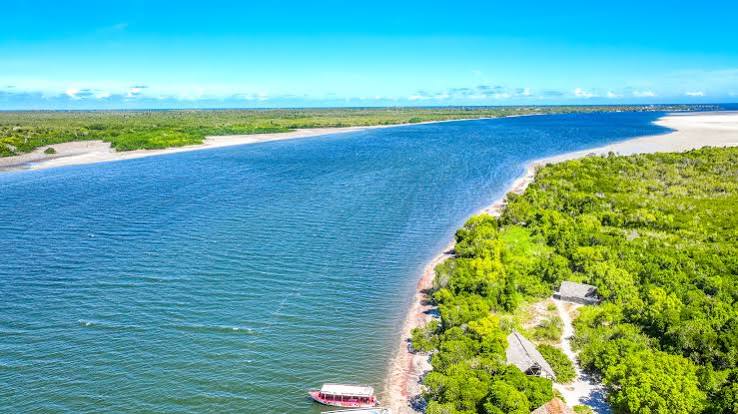
Watamu Marine National Park and Reserve, gazetted in 1968 alongside Malindi further south, protects one of the most biologically rich stretches of coral reef on the East African coast. The national park itself covers around 10 square kilometers, with the wider reserve extending further to take in Mida Creek’s mangrove channels and Whale Island, giving Watamu a range of habitats that few single marine destinations can match.
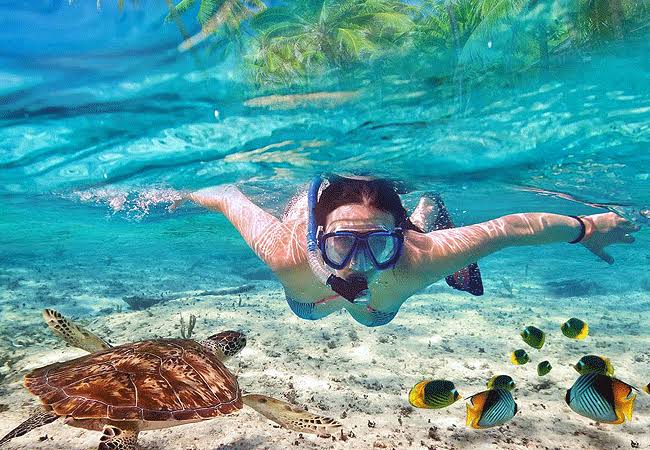
Over 110 species of stony coral and several hundred species of fish live within these waters, and the park has become known locally as the place to pursue what operators here call the Marine Big Five: sea turtles, whale sharks, dolphins, whales and billfish.
For travellers deciding how to spend their time on Kenya‘s central coast, Watamu is usually the strongest single answer. This guide walks through what makes it distinct, when to time a visit around its most sought-after sightings, and how it compares to the smaller, more convenient Malindi park just down the coast.
Should You Visit Watamu Marine Reserve?
Watamu suits travellers who want more than a single morning’s snorkelling trip. With certified dive sites, shipwrecks, underwater caves, mangrove boardwalks at Mida Creek and a long-running turtle conservation program, there’s enough here to fill several days without repeating yourself.
If reef diversity, wildlife variety and the chance at a whale shark encounter matter to you, Watamu is worth building real time into your itinerary rather than treating it as a quick stop.
It also suits travelers with a conservation interest. Watamu Turtle Watch, a long-established program operating within the park, monitors nesting beaches rated as close to fully viable for green, hawksbill and the rarer olive ridley turtles, and runs a scheme that compensates local fishermen for releasing turtles caught incidentally in their nets rather than keeping them.
Visitors can engage directly with this work, from adopting a rescued turtle to visiting the rehabilitation center, which adds a layer of meaning beyond the usual snorkeling trip.
Where it suits people less is as a rushed half-day add-on. If your schedule only allows a few hours on the coast, Malindi Marine Park, smaller and more immediately accessible, will get you into the water faster with less planning. Watamu rewards travellers willing to give it at least a full day, ideally two or three.
Why Watamu Stands Out on the Kenyan Coast
The sheer diversity of habitat is what sets Watamu apart. Within a relatively compact area, you move between coral gardens, open-water dive sites with shipwrecks and underwater caves, the mangrove-lined channels of Mida Creek, and the open sea routes where dolphins, whales and whale sharks pass through seasonally. Few marine parks on this coastline, or anywhere in East Africa, pack this much ecological range into so accessible a package.
Watamu Turtle Watch is a real point of distinction too. Beyond patrolling nesting beaches, the program’s incentive scheme for local fishermen has measurably reduced incidental turtle deaths in the surrounding waters, an approach that treats conservation as a partnership with the fishing community rather than a restriction imposed on it.
Visitors who want to understand how marine conservation actually functions on the ground, beyond the postcard version, will find real substance here.
Water temperature shifts meaningfully through the year, hovering around 30°C from December through May and dropping to roughly 20°C between June and November. That difference affects both comfort and what you’re likely to see, since cooler water from June onward coincides with the best whale and dolphin activity, while the warmer months favor relaxed snorkeling and easier diving conditions.
Where Is Watamu and How Do You Get There?
Watamu sits on Kenya’s central coast, roughly 120 kilometres north of Mombasa and about 28 kilometres south of Malindi. By road, turn toward the ocean at Gede on the main Mombasa-Malindi highway, then continue around 11 kilometers to reach the town itself. The drive from Mombasa takes approximately two hours under normal conditions.
Flying is straightforward and quick: both Nairobi’s Jomo Kenyatta International Airport and Wilson Airport connect to Malindi Airport, a short onward drive from Watamu. This makes the reserve easy to combine with an inland safari, since you can realistically go from the Maasai Mara or Amboseli to Watamu’s reef in a single travel day.
Within Watamu, most activities, diving, snorkeling, boat excursions and the Mida Creek boardwalk, are arranged directly through your hotel or a licensed operator in town. No self-drive or independent navigation is required once you’ve arrived.
When to Visit: Seasons and Highlights
| Season | Months | Water Conditions | Highlights |
| Warm, calm season | December – May | Around 30°C, clearer and calmer | Best general snorkelling and diving conditions; turtle nesting continues. |
| Cooler, active season | June – November | Around 20°C, it can be choppier. | Prime whale and dolphin activity, strongest chance of whale shark sightings |
| Whale migration window | August – October | Transitional, cooler water | Humpback whale migration passes offshore, a standout highlight for marine wildlife enthusiasts. |
There’s a real trade-off here worth being upfront about. The warmer months are more comfortable for extended time in the water, but the cooler months bring the marine megafauna sightings that draw serious wildlife travellers to Watamu in the first place.
If a whale shark or humpback whale encounter is your priority, plan around June through October and pack a wetsuit rather than relying on the comfort of warm water.
How Much Does a Visit Cost
| Component | Typical Cost Range | Notes |
| Park entry (non-resident, adult) | USD 25 per day | East African citizens and residents pay considerably less under local rates |
| Guided snorkeling trip | USD 35 – 70 per person | Varies by boat size, group size and trip length |
| Certified diving (per dive) | USD 70 – 130 | Wreck and cave dives are typically priced at the higher end. |
| Mida Creek boardwalk and canoe trip | USD 15 – 30 per person | A gentler, lower-cost half-day activity through the mangroves |
| Multi-day dive package | USD 300 – 700 | Often includes equipment rental and multiple dive sites across several days |
Accommodation in Watamu spans the full range from budget guesthouses to high-end beach resorts, and most activity pricing is independent of where you stay, so your overall budget is shaped more by how many days you spend in the water than by your choice of hotel.
Where to Stay
Beach Resorts
Watamu has a strong concentration of established beach resorts, many with in-house dive centres and direct beach access. This tier suits travelers who want their marine activities fully coordinated through their accommodation, with minimal need to arrange transport or bookings independently.
Boutique and Mid-Range Hotels
A good number of smaller, independently run hotels sit closer to town, offering a more local feel at a lower price point while still providing easy access to dive shops and boat operators along the beachfront.
Combining with Malindi or Gede
Some travelers base themselves in nearby Malindi and visit Watamu for specific activities, particularly diving trips, given the short distance between the two towns. This works well if you’re already splitting time across both marine parks.
What to Do in Watamu
Diving and Snorkelling
Certified divers can explore coral gardens, shipwrecks and underwater caves across a range of sites suited to different experience levels. Snorkelling tours, led by local guides, are pitched for both complete beginners and more experienced swimmers, with sites selected based on current conditions and recent sightings.
Whale Shark and Dolphin Encounters
Bottlenose and, less commonly, humpback dolphins are frequently spotted on boat excursions, and whale sharks occasionally pass through the park’s waters, most often reported by divers and experienced boat operators rather than guaranteed on a set schedule. No reputable operator will promise a whale shark sighting, but Watamu offers a better realistic chance than most comparable sites on this coastline.
Mida Creek and the Mangrove Boardwalk
A roughly 2.4-kilometer boardwalk trail winds through mangrove forest at Mida Creek, a calm, shaded contrast to the open-water activities elsewhere in the park. Herons, kingfishers and a range of wading birds are regularly seen here, making it a worthwhile stop even for travelers who have already spent a full day in the water.
Turtle Watch and Conservation Visits
Watamu Turtle Watch welcomes visitors interested in its nesting beach patrols and rehabilitation work. This is a meaningful addition for travellers who want their trip to connect with active conservation efforts rather than observing wildlife purely as a spectator.
Gede Ruins
A short drive inland, the Gede Ruins preserve the remains of a Swahili trading town dating back several centuries, offering a cultural and historical counterpoint to the marine-focused activities that dominate most Watamu itineraries.
Watamu vs Malindi: Which Should You Choose
| Factor | Watamu Marine Reserve | Malindi Marine Park |
| Size and habitat range | Larger, with reefs, wrecks, caves and mangrove creeks | Smaller, reef-focused only |
| Best for | Multi-day diving, wildlife variety, conservation visits | Quick snorkelling trips, families, non-swimmers |
| Time needed | One to three days for the full experience | A half-day is usually sufficient. |
| Dive infrastructure | Extensive, with multiple operators and certified dive sites | Limited; most visitors stick to snorkeling or glass-bottom boats. |
| Access | Short drive from Malindi Airport | Direct from Malindi town |
Neither reserve makes the other redundant. If you’re staying anywhere between the two towns, which is common given how close they sit to each other, the sensible approach is to use Malindi for an easy, low-commitment morning on the water and Watamu for the more involved diving, conservation and mangrove activities that reward a longer stay.
Notable Dive Sites Within the Reserve
Watamu’s underwater terrain varies enough to suit divers at different experience levels, which is part of why dive operators here tend to run multi-day itineraries rather than single outings.
Coral garden sites close to shore offer gentler conditions suited to newer divers and strong snorkellers, with dense, shallow coral growth and reliable fish activity. Further out, wreck sites give more experienced divers a different kind of exploration, structures now colonised by coral and home to resident fish communities distinct from the open reef.
Underwater caves scattered through the reserve add another layer of variety, though these are generally reserved for divers with the training and experience to navigate overhead environments safely. A good local dive operator will assess your certification level and recent diving experience before recommending which sites suit you, rather than sending every group to the same handful of locations regardless of ability.
Who Watamu Suits Best
| Traveller Type | Fit | Why |
| Certified divers | Excellent | Shipwrecks, underwater caves and varied reef sites across multiple days |
| Marine wildlife enthusiasts | Excellent | Realistic chance at whale sharks, dolphins and seasonal humpback whales |
| Conservation-minded travellers | Strong | Direct engagement with Watamu Turtle Watch’s nesting and rehabilitation work |
| Families wanting varied activities | Strong | A mix of gentle snorkelling, mangrove walks and beach time suits mixed-age groups |
| Travellers with only a few hours to spare | Moderate | Better served by Malindi’s smaller, quicker-access park if time is truly limited |
Planning Your Visit
Watamu rewards a bit more planning than Malindi, mainly because there’s considerably more to do here across diving, conservation visits and the Mida Creek mangroves. Decide early whether warm-water comfort or peak wildlife sightings matter more to your trip, since that single decision shapes which months you should be targeting.
If you’re working out how Watamu fits alongside an inland safari or a wider coastal itinerary, our team has helped plan trips through this exact combination and can walk you through the timing and logistics that make the most sense for what you want to see.


