Our Top 7 to 10 Day Kenya Itineraries
Our Top 7 to 10 Day Kenya Itineraries; A week in Kenya gives you real time in two or three parks without feeling rushed, and ten days opens up either a fourth stop or a genuine beach extension to close the trip. The question most travellers actually face is not whether seven or ten days is enough, both are, but which combination of parks makes the most sense for what they want to see. Here are the itineraries that consistently work best, and how to choose between them.
Should You Do 7 Days or 10?
Seven days is enough to cover three parks properly, arriving with time to settle in rather than feeling like you are constantly packing and unpacking. Ten days gives you room to either add a fourth destination, most often Samburu in the north for its unique wildlife, or to close the trip with three or four days at the coast, which genuinely changes how a safari feels to come home from.
Neither length is objectively better; the honest answer is that seven days suits travellers with limited leave who want maximum wildlife time with no filler, while ten days suits those who want either more breadth or a proper wind-down before flying home.
The Classic 7-Day Circuit: Amboseli, Lake Nakuru, Masai Mara
This is Kenya’s benchmark itinerary and the one most first-time visitors should default to unless something specific pulls them elsewhere. It typically opens with two nights in Amboseli National Park, where elephant herds move against the backdrop of Kilimanjaro on a clear morning, one of the most reliably photogenic scenes in African safari.
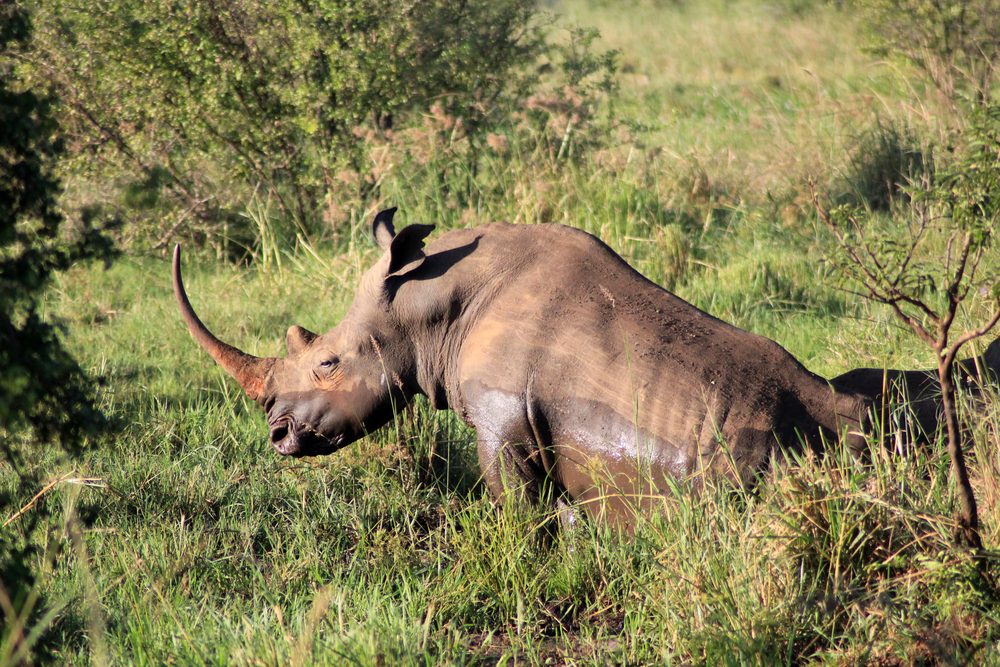
From there, a single night at Lake Nakuru national park breaks up the drive north to the Mara while delivering strong rhino sightings, both black and white, in a park compact enough to cover thoroughly in a single game drive. The remaining three or four nights go to the Masai Mara, Kenya’s flagship reserve, where lion, cheetah and leopard sightings are consistently strong and, during July to October, the Great Migration adds river crossings to the mix.
This route works because none of the drive times between parks are punishing, none of the three destinations are redundant with each other, and it delivers essentially the full spread of what people picture when they imagine a Kenyan safari: elephants, rhino, and the Mara’s predator-rich plains.
The 7-Day Alternative: Samburu, Lake Nakuru, Masai Mara
For travellers who have already seen Amboseli or want something a little less classically photographed, swapping in Samburu National Reserve changes the character of the trip considerably. Samburu sits in Kenya’s arid north and hosts what is known as the ‘Samburu Special Five’, species either unique to or best seen in this drier ecosystem: Grevy’s zebra, reticulated giraffe, Somali ostrich, gerenuk and beisa oryx. It pairs well with the same Lake Nakuru and Masai Mara stops as the classic route, and suits travellers who want a Kenya trip with a slightly more offbeat wildlife list alongside the Mara’s predator viewing.
The 10-Day Circuit: Amboseli, Lake Nakuru, Masai Mara, Plus a Beach Finish
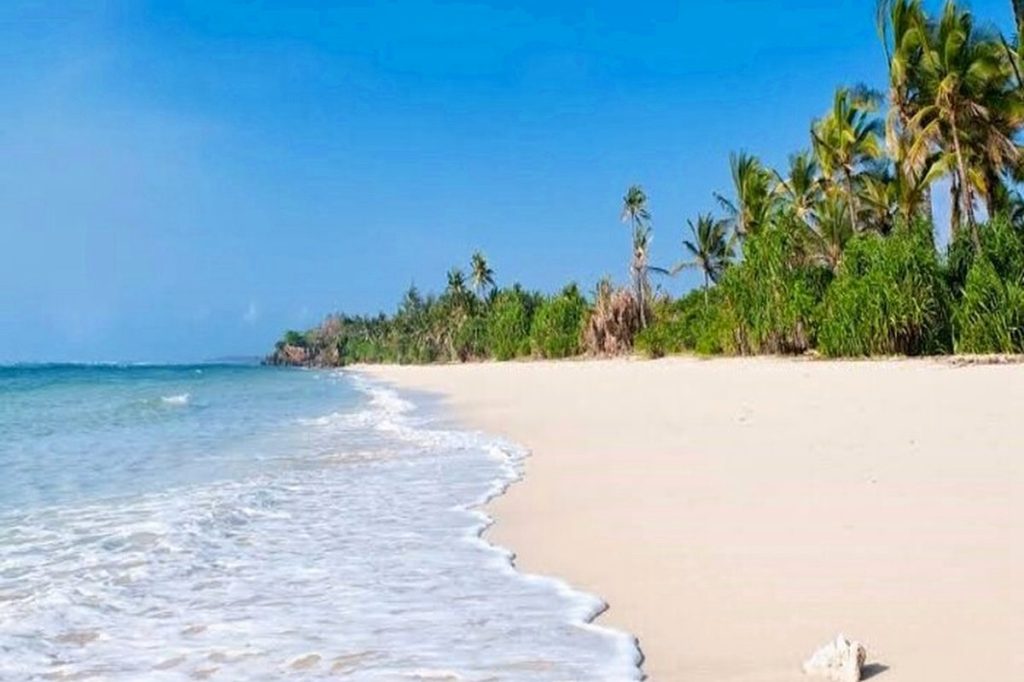
Extending the classic 7-day circuit by three or four days and closing the trip on Kenya’s coast, typically Diani Beach or Mombasa, solves a real problem: safaris are wonderful but genuinely tiring, with early starts most mornings, and a beach finish gives you somewhere to properly decompress before a long flight home. This structure works particularly well for honeymooners and for families who want the wildlife-heavy first half balanced with a more relaxed second half that does not require early wake-up calls.
The 10-Day Circuit: Samburu, Lake Nakuru or Naivasha, Masai Mara
This longer version adds real breathing room rather than a beach extension, typically opening with Samburu for two to three nights, moving through the Great Rift Valley lakes, Nakuru or Naivasha, for two to three more, and closing with three to four nights in the Masai Mara.
It suits travellers who want to genuinely slow down rather than pack in a fourth destination, with enough time at each stop to do both morning and afternoon game drives without feeling like you are always leaving the next day.
Comparing the Itineraries
| Itinerary | Length | Best For |
| Amboseli + Nakuru + Mara | 7 days | First-time visitors, classic wildlife list |
| Samburu + Nakuru + Mara | 7 days | Repeat visitors, unusual arid-zone species |
| Classic circuit + beach | 10 days | Honeymooners, families wanting a relaxed finish |
| Samburu + Rift Valley + Mara | 10 days | Unhurried pace, broader wildlife variety |
Day-by-Day: The Classic 7-Day Circuit
| Day | Location | Focus |
| 1-2 | Amboseli National Park | Elephant herds, Kilimanjaro views |
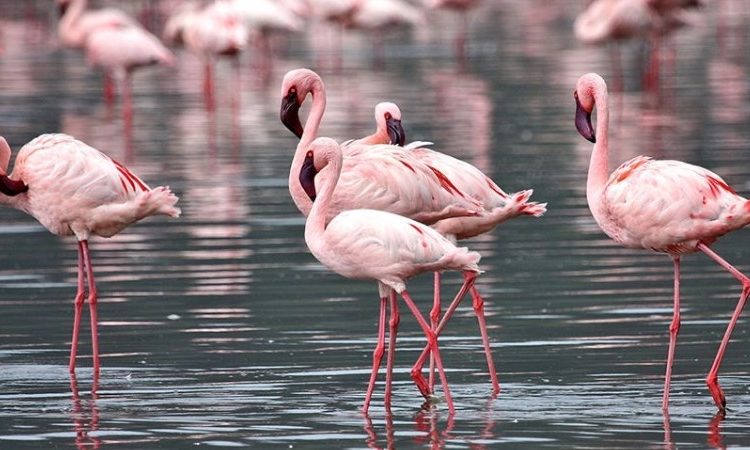
| 3 | Lake Nakuru National Park | Rhino sanctuary, flamingos, compact game drive |
| 4-7 | Masai Mara National Reserve | Big cats, migration (Jul-Oct), conservancy drives |
This structure keeps every transfer under half a day by road, or a short scheduled flight if you prefer to save time over Nairobi’s connecting hub, and it gives the Mara the largest single share of the trip, which is where most of the memorable sightings tend to happen. Travellers wanting a slightly gentler pace sometimes add a fourth night in the Mara and trim Lake Nakuru to a single overnight rather than skipping it entirely, since the rhino sightings there are genuinely difficult to replicate elsewhere on this route.
Practical Tips for the Trip
Most 7- to 10-day Kenya itineraries move between parks by road for the Amboseli national park and Nakuru legs, with an optional light-aircraft hop into the Masai Mara that saves several hours of driving, worth the extra cost for travellers who would rather spend that time on a game drive instead.
Pack layers rather than heavy jackets: mornings in the Mara and Rift Valley lakes are genuinely cold in an open vehicle, while afternoons warm up quickly. A good pair of binoculars, a wide-brimmed hat and a lens with reasonable reach if photography matters to you all make a noticeable difference to how much you get out of each drive.
Most itineraries in this range include a Nairobi arrival and departure, so it is worth allowing a half day in the city either at the start or end of the trip, both to recover from a long-haul flight and, if timing allows, to visit the David Sheldrick Wildlife Trust elephant orphanage or the Giraffe Centre, both easy half-day additions that are popular with families in particular.
When to Travel
June to mid-October is Kenya’s peak season and the best overall window, combining dry-season game viewing with, from July onward, the Great Migration’s arrival in the Masai Mara. Amboseli’s elephant viewing and Kilimanjaro views are strong year-round, though clearer skies during the dry season improve your odds of an unobstructed mountain view. If you are travelling outside peak season, the shoulder months of January and February bring good weather and lower rates, with the added bonus of the Serengeti’s calving season just across the border if your route extends into Tanzania.
What These Trips Cost
A 7-day itinerary covering Amboseli, Lake Nakuru and the Masai Mara typically runs $2,750 to $5,450 per person, based on two travellers sharing, in low season, with peak-season rates running meaningfully higher, particularly for Mara camps during migration months.
Extending to 10 days with a beach finish adds roughly $800 to $1,500 per person depending on the coastal property chosen, while a 10-day Samburu-inclusive circuit without a beach stop typically lands in a similar range to the extended classic route. These figures generally include accommodation, most meals, park fees and game drives, with international flights and any optional activities such as hot air balloon safaris priced separately.
Choosing Your Accommodation Style
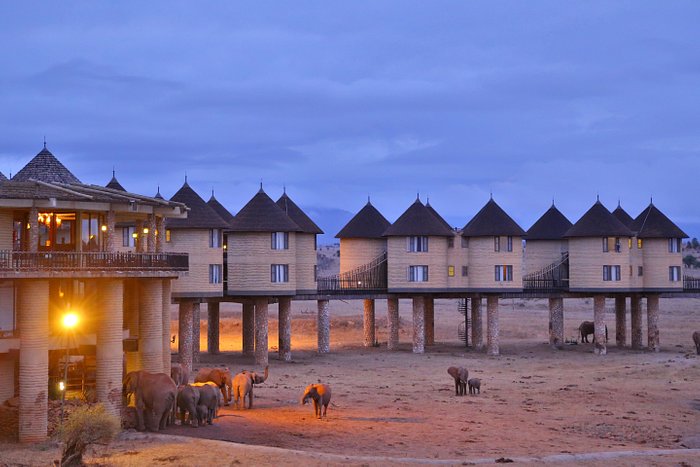
Kenya offers accommodation across every price point, which is part of why it works so well for a 7- to 10-day trip regardless of budget. Budget and mid-range lodges deliver comfortable, well-run stays with shared game drive vehicles, suited to travellers who want to keep costs down without sacrificing safety or service.
Private conservancies bordering the Masai Mara, such as Naboisho or Mara North, cost more but limit vehicle numbers at sightings, which is worth prioritising if photography or a quieter experience matters to you. Families should specifically confirm minimum age policies, since several premium camps do not accept children under twelve, and ask about family tents or interconnecting rooms rather than assuming standard configurations will work.
Planning Advice
Book Masai Mara camps for July through October travel at least twelve months ahead, since the smaller, most sought-after conservancy camps sell out that far in advance. If your dates are flexible, shoulder-season travel in January, February, or November opens up considerably more last-minute availability and noticeably lower rates.
Whichever itinerary you choose, resist adding a fifth park just because the map makes it look feasible; three to four well-chosen stops over 7 to 10 days consistently outperforms a rushed five-stop version of the same trip.
Our Recommendations by Traveller Type
First-time visitors should default to the classic 7-day Amboseli, Nakuru, Mara circuit, which delivers the widest, most reliable spread of iconic Kenyan wildlife with the least logistical complexity.
Honeymooners are best served by the 10-day version with a Diani Beach finish.
Families do well with either 7-day route, provided camps with appropriate age policies are chosen, and benefit from the slightly slower pace of the 10-day Rift Valley version if schedules allow.
Repeat Kenya visitors or keen birders and photographers should prioritise Samburu over Amboseli for a genuinely different species list and generally quieter game drives.
Frequently Asked Questions
Is 7 days enough for a first Kenya safari?
Yes. Seven days covering Amboseli, Lake Nakuru and the Masai Mara delivers a full, satisfying safari without feeling rushed, provided you keep the itinerary to three parks rather than trying to add a fourth.
Is Samburu worth adding to a Kenya itinerary?
Yes, particularly for travellers who have already done a classic Big Five circuit or want species not found further south, including Grevy’s zebra and reticulated giraffe.
When is the best time to see the Great Migration in the Masai Mara?
July through October offers the strongest odds of witnessing a Mara River crossing, though the wildebeest herds’ exact movements shift year to year based on rainfall.
Should I add a beach extension to my Kenya safari?
If your schedule allows the extra three to four days, yes. It is a popular way to close out a safari, particularly for honeymooners, and Diani Beach is a short, straightforward flight from Nairobi.
Do I need to fly between parks, or can I drive the whole route?
Both are possible. Driving is more affordable and lets you see the changing landscape between parks, while flying between Nairobi and the Masai Mara saves roughly four to five hours each way and is worth it if you would rather spend that time on a game drive than in a vehicle on tarmac.