Mara Naboisho Conservancy
Mara Naboisho Conservancy, Naboisho means “coming together” in Maa, and the name is accurate. Created in 2010, the conservancy brought hundreds of Maasai landowners from the Koiyaki-Lemek group ranch together to pool their land for conservation and tourism.
It now covers roughly 50,000 acres on the north-eastern edge of the Maasai Mara National Reserve, making it the second-largest conservancy in the area after Mara North, and it is known for lions, leopards and cheetahs.
For travellers, Naboisho offers a rare combination: a large, open landscape, a low number of beds, and a strong network of camps ranging from mid-range to luxury. This guide explains how the conservancy works, what makes its wildlife viewing distinctive and how it compares with its neighbours.
Is Naboisho Right for Your Trip?
Naboisho suits travellers who want serious big-cat viewing, a broad choice of camps and the freedoms of a private conservancy, namely walking safaris, night drives and off-road driving, at a price that is often lower than Olare Motorogi’s. It is a strong choice for first-time conservancy guests because the choice of camps allows you to match budget and style.
It is a weaker fit if you want the dramatic river crossings of the Great Migration as your main event. These take place mostly in the reserve and Mara Triangle, though many camps arrange visits. Naboisho’s strength is resident wildlife and tranquillity.
What Naboisho Is
Naboisho was established in 2010, created out of the Koiyaki-Lemek group ranch, by Maasai landowners working with conservation partners. It is managed by the Naboisho Conservancy Trust, and revenue from every bed night supports landowners through lease payments, along with employment, healthcare, clean water and schools. The most consistent description is about 50,000 acres (around 200 square kilometres) with roughly 500 or more landowners benefiting, though accounts vary.
The conservancy forms a buffer zone for the national reserve and an important corridor for elephants, giraffes and zebras moving through the Mara-Serengeti ecosystem. It also hosts research, including the Mara Predator Project, which is one reason camps in the conservancy are known for their conservation commitment.
The Bed Limits and Why They Matter
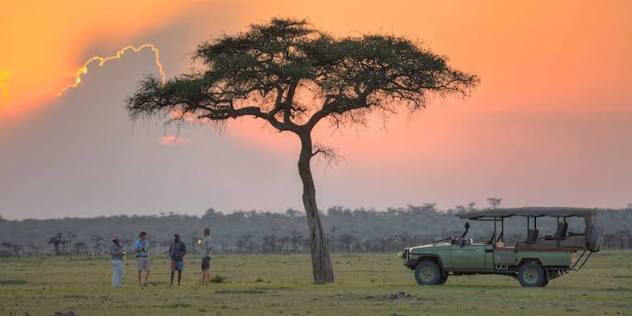
Naboisho maintains one of the lowest bed-to-acre ratios of any Mara conservancy, commonly quoted as roughly one bed per 350 acres, with around 50 rooms across six or so partner camps in older descriptions. Only guests of partner camps can drive within the conservancy, and the strict limits mean game drives rarely feel crowded even in peak season.
This low-density approach is what travellers pay for. The experience is closer to a private wilderness than a public reserve, and sightings tend to be extended and quiet.
Wildlife
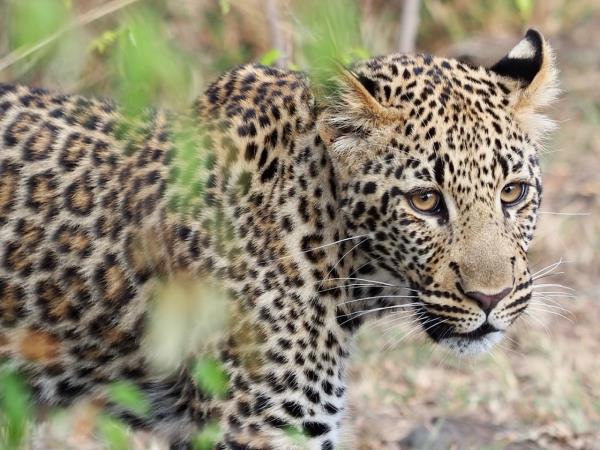
Naboisho is best known for lions. Accounts describe the density of lions as one of the highest in the world, with at least 70 identified lions using the conservancy as their territory and some operators estimating closer to 100. Leopards and cheetahs are also reliably seen, and there are healthy numbers of elephants, giraffe, hippos, zebra, topi, gazelles, hyenas and jackals.
Smaller and rarer species add interest: serval cats, caracals, aardwolves and honey badgers, and a good bird list including the white-headed buffalo weaver, bush pipit and pygmy falcon. For wildlife enthusiasts, the conservancy offers a more nuanced experience than a checklist of the Big Five.
Where to Stay
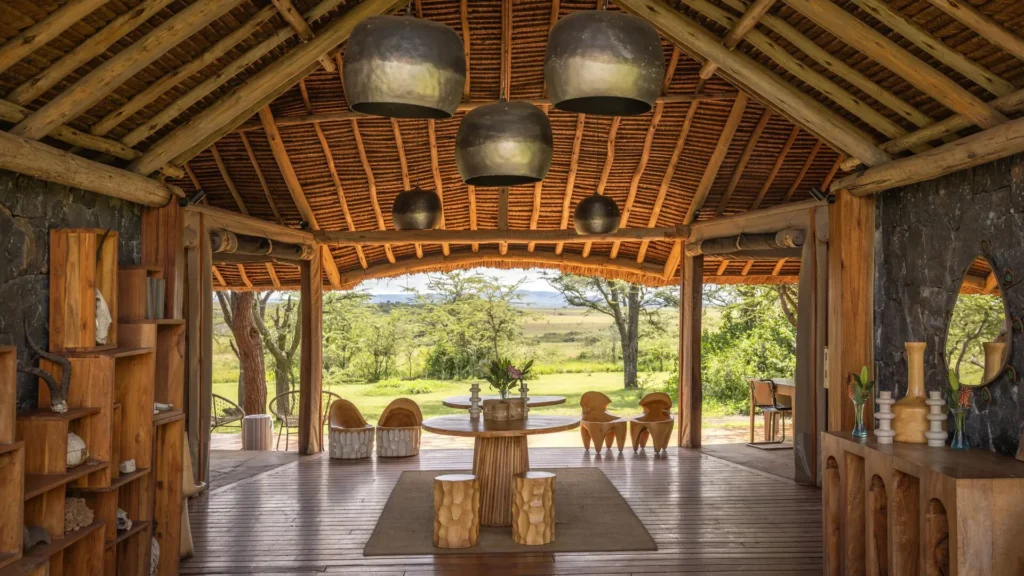
Several camps operate in Naboisho, including Encounter Mara, Naboisho Camp (run by Asilia), Kicheche Valley Camp, Ol Seki Hemingways (also listed as Ol Seki Mara Camp), Basecamp Eagle View and Basecamp Wilderness. Styles range from simple tented camps to luxury properties, and camp listings can change, so confirm current availability and ownership when booking.
Choose based on how you want to travel. Some camps focus on guiding and conservation, others on comfort and views, and families, couples and photographers each have clear options.
Activities
As a private conservancy, Naboisho permits off-road driving, night drives, guided walking safaris and bush meals, activities unavailable in the national reserve. Camps typically include morning and afternoon drives, with night drives and walks depending on the property. Some Porini-style itineraries also reach Naboisho through partner access.
Costs
Rate information is inconsistent and some of it is dated. A 2026 overview gives roughly US$350 to US$1,200 per person per night for Naboisho camps, and a package example shows about US$2,900 in low season and US$4,200 in peak season for a short luxury itinerary at Encounter Mara. A much older listing shows Naboisho Camp from about US$768. Confirm current rates, the conservancy fee and what is included.
Naboisho spans a wide price range. Mid-range camps sit towards the lower end of the roughly US$350 to US$1,200 per person per night spread, while luxury properties sit at the top. Conservancy fees are either added to the rate or included in the package, so check inclusions, and if you visit the national reserve for a river crossing, you will pay a separate reserve fee.
Remember to add flights or road transfers, the Kenya eTA and tips. In peak season, July to October, rates and demand are highest, and January to June offers noticeably lower prices.
| Item | Approximate Figure (verify) |
| Camp rates | About US$350-1,200 per person per night |
| Short luxury package (Encounter Mara) | About US$2,900 low / US$4,200 peak season |
| Bed density | About one bed per 350 acres |
| Reserve entry (if crossing in) | Extra, varies by season |
Getting There and When to Go
Most guests fly from Nairobi’s Wilson Airport to an airstrip in or near the Mara, with a short road transfer to camp. Road access via Narok takes a full day. July to October is peak season and best for the broader migration. January to March and the shoulder months offer good predator viewing with fewer visitors, and the long rains of April and May bring the lowest rates.
Which Travellers Does It Suit?
- Big-cat enthusiasts: lions, leopards and cheetahs in good numbers.
- Photographers: low vehicle numbers and flexible positioning.
- First-time conservancy visitors: wide choice of camps and budgets.
- Culture-minded travellers: direct landowner revenue sharing.
- Migration-focused trips: better combined with reserve days.
Frequently Asked Questions
How big is Mara Naboisho Conservancy?
About 50,000 acres (around 200 square kilometres) in the most consistent accounts, though some sources quote up to 60,000 acres.
What does Naboisho mean?
It means “coming together” in Maa, reflecting the pooling of land by Maasai landowners in 2010.
Is Naboisho good for lions?
Yes. It is described as having one of the highest lion densities in the Mara, with 70 or more identified lions.
Can I do walking safaris and night drives in Naboisho?
Yes. As a private conservancy, it permits walking safaris, night drives and off-road driving.
Which camps operate in Naboisho?
Commonly listed camps include Encounter Mara, Naboisho Camp, Kicheche Valley Camp, Ol Seki Hemingways, Basecamp Eagle View and Basecamp Wilderness.
Naboisho is one of the strongest all-round conservancy choices in the Mara: large enough to feel wild, controlled enough to feel private, and varied enough in its camp options to suit different budgets. For lion and leopard viewing in particular, it is hard to beat.
If you want to compare Naboisho with Mara North, Olare Motorogi and Ol Kinyei, our team can recommend camps and confirm current rates.


