24 Best Luxury Safari Accommodations in Kenya ; Kenya invented the safari and remains the benchmark for the rest of Africa’s luxury safari industry. From glass-fronted suites suspended above the Rift Valley to open-air Laikipia villas and Amboseli tented camps positioned for the finest elephant photography on the continent, Kenya’s luxury accommodation genuinely spans an extraordinary range, priced anywhere from roughly $600 to well over $2,500 per person per night.
As a travel consultant, I find the single most important decision for Kenya luxury travel isn’t which specific lodge to book, it’s which region and access model, national reserve versus private conservancy, genuinely suits your priorities. This guide walks through 24 of Kenya’s finest properties, organized by region, so you can match the right lodge to the right trip.
The Masai Mara: Conservancies vs. the National Reserve
In the Masai Mara National Reserve itself, a strong sighting can draw a dozen vehicles at once. The private conservancies surrounding it, Olare Motorogi, Naboisho, and Mara North among them, limit beds and vehicles by binding agreement, meaning you can spend an entire morning with a leopard and her cubs without seeing another car. Conservancies also permit night drives, off-road driving, and walking safaris, all prohibited within the national reserve proper, a genuine and important distinction worth understanding before choosing a property.
Masai Mara Luxury Lodges
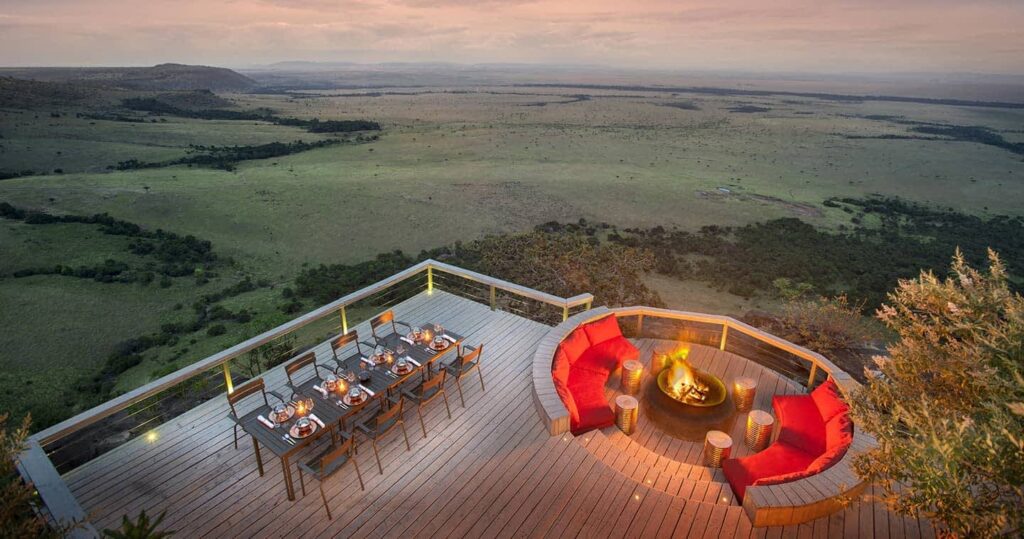
- Angama Mara sits 300 metres above the Mara Triangle on the Oloololo Escarpment, widely regarded as offering the finest view in African safari travel, from roughly $1,000+ per night.
- Mahali Mzuri, Richard Branson’s twelve-suite camp in the Olare Motorogi Conservancy, delivers genuine exclusivity with a relaxed, help-yourself-bar atmosphere.
- Mara Plains Camp, run by Great Plains Conservation within the Olare Motorogi Conservancy, is favoured by serious photographers for its consistently strong big-cat sightings.
- Governors’ Camp, the classic Mara River property operating since 1972, remains a genuine pioneer of Kenyan luxury safari heritage.
- Cottar’s 1920s Safari Camp evokes the golden age of East African safari with genuinely vintage-inspired styling and a private conservancy setting.
- The Ritz-Carlton Masai Mara Safari Camp brings the brand’s international five-star consistency to the heart of the Mara ecosystem.
- Entim Mara Camp, positioned directly on the Mara River, offers unmatched access to the Great Migration’s dramatic river crossings.
- Mara Bushtops Safari Camp sits within a private conservancy spanning thousands of acres, balancing untamed wilderness with genuine opulence.

Angama Mara
Amboseli: Elephants Beneath Kilimanjaro
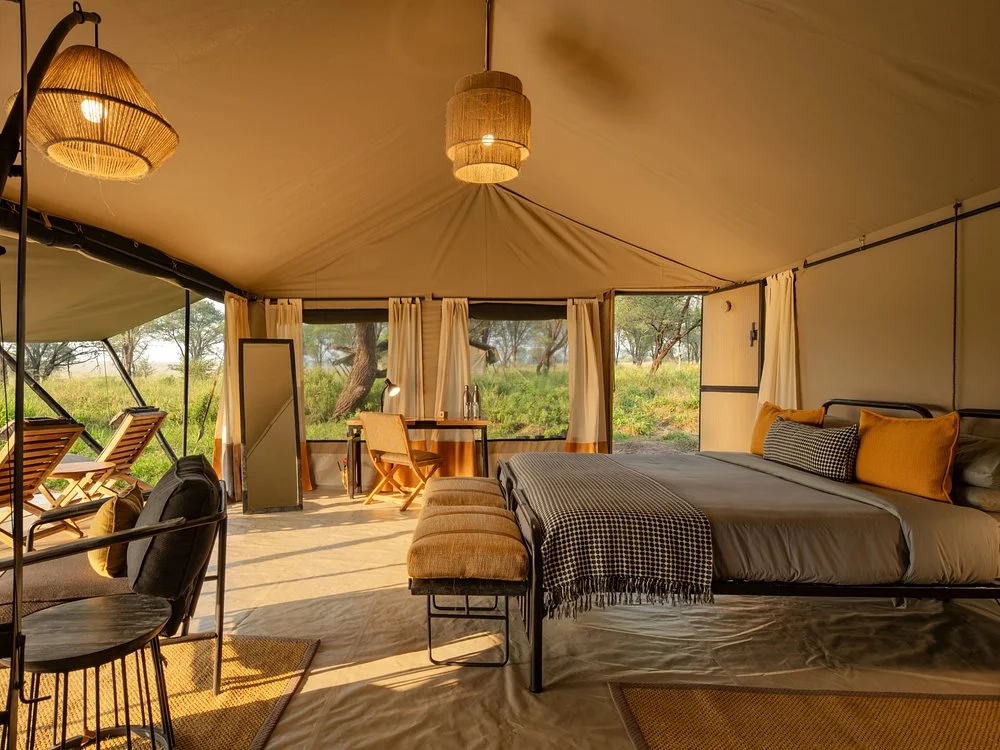
- Tortilis Camp is the classic Amboseli property, positioned on a private concession with the best unobstructed views of Kilimanjaro available anywhere in the park. Amboseli’s dust-free saline flats create the crisp, clean backgrounds professional wildlife photographers specifically seek out, and Tortilis’s elephant photography is arguably the finest on the continent, with sixteen thatched tents and a family-only house offering genuine flexibility for multi-generational bookings.
- Angama Amboseli, a more recent addition to the Angama portfolio, offers an intimate, ten-suite sanctuary with sweeping Kilimanjaro views and genuinely elephant-rich surroundings.
- Campi ya Kanzi, near Amboseli, is completely solar-powered and Maasai-owned, with conservation fee proceeds funding local schools and clinics directly.
Laikipia: Adventure and Conservation Combined
- Loisaba Tented Camp, within the private 58,000-acre Loisaba Conservancy, is known for its Star Beds, outdoor sleeping platforms guests can move to for a night under the open sky, alongside guided walks with Samburu warriors, camel treks, and helicopter picnics.
- Segera Retreat combines strong wildlife with contemporary African art and a genuinely serious conservation focus across the Laikipia Plateau.
- Sirikoi, one of Laikipia’s finest properties, offers genuine exclusivity and a deep conservation commitment within its private setting.
- Ol Donyo Lodge, between Amboseli national park and Tsavo in the Chyulu Hills, pioneered the “sleep out under the stars” star-beds concept, with views stretching to Kilimanjaro and an exemplary community conservation model.
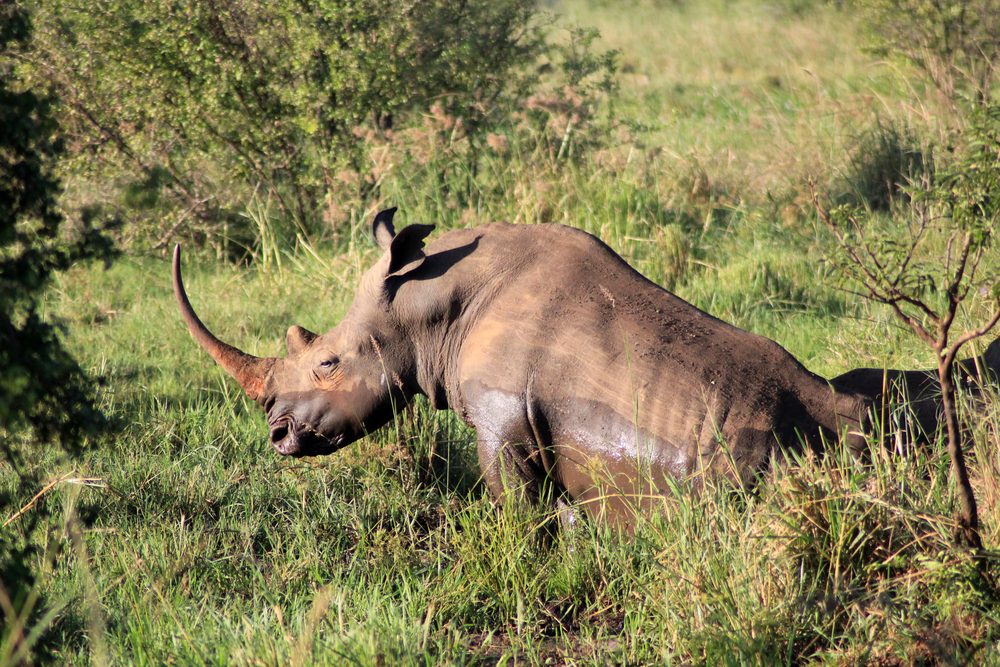
- Lewa Wilderness, within the Lewa Wildlife Conservancy, is one of Kenya’s premier destinations for rhino viewing, alongside genuinely strong overall wildlife density.
Samburu: Kenya’s Remote North
- Sasaab, positioned on a private conservancy in remote, less-visited Samburu, offers open-air villas allowing the breeze to flow through while guests watch elephants below, alongside a genuinely unique cultural experience with passionate Samburu guides.
- Saruni Samburu, carved into a granite ridge in the Kalama Conservancy, was the pioneering lodge of northern Kenya’s community conservancy model.
- Elephant Bedroom Camp, located within Samburu National Reserve itself, sits directly on the Ewaso Nyiro River, providing close, reliable elephant sightings from camp.
Tsavo: Kenya’s Wildest, Least Crowded Circuit
- Finch Hattons, in Tsavo West, offers a genuinely distinctive luxury safari built around natural spring-fed pools and Kilimanjaro views on clear days, with enormous tents featuring chandeliers and copper fittings.
- Soroi Lions Bluff Lodge, perched high above Tsavo, delivers spectacular views alongside organic cuisine and genuine wilderness tranquillity.
- Sarova Salt Lick Game Lodge, elevated on stilts within a private sanctuary bordering Tsavo West, offers close wildlife viewing from raised walkways overlooking a busy waterhole.
Combining Regions for a Complete Kenya Circuit
- Solio Lodge, near the Solio Rhino Sanctuary between the Aberdares and Mount Kenya, delivers genuinely exceptional rhino density and works well as a family-friendly stop within a wider circuit.
- Lengishu, a private, exclusive-use villa in Laikipia, suits families and larger groups wanting a fully private, self-contained safari base rather than a shared-camp experience.
Kenya’s compact geography makes combining several of these regions genuinely straightforward: a classic itinerary pairs three or four nights in the Mara, ideally within a conservancy, with a few further nights in Laikipia or Amboseli, connected by short light-aircraft hops between properties.
Matching Lodges to Priorities
| Priority | Recommended Lodges |
| Big cats | Mara Plains Camp, Angama Mara |
| Rhinos | Lewa Wilderness, Solio Lodge |
| Elephants | Tortilis Camp, Sasaab, Ol Donyo |
| Unique/rare species | Sasaab, Saruni Samburu (Samburu Special Five) |
| Photography | Mara Plains Camp, Angama Mara, Tortilis Camp |
| Honeymoons | Angama Mara, Mahali Mzuri, Ol Donyo |
| Families | Lengishu, Solio Lodge, Tortilis Camp |
| Adventure beyond game drives | Loisaba, Ol Donyo, Laikipia conservancies generally |
Timing Your Trip Around These Lodges
For the Great Migration and peak wildlife viewing, particularly the dramatic Mara River crossings, travel between July and October and book at least nine to twelve months ahead given how quickly the top conservancy camps sell out. For excellent game viewing with meaningfully fewer crowds and softer rates, January and February offer superb value, particularly for big-cat sightings, which remain strong year-round across the conservancies regardless of migration timing.
Extending Beyond Kenya
Kenya combines naturally with a Diani or Lamu beach finish on the Indian Ocean coast, or, for travelers seeking the ultimate migration experience, with Tanzania’s Serengeti on the opposite side of the shared, unfenced Serengeti-Mara ecosystem. Given the strength and diversity of the properties covered here, a well-sequenced Kenya trip of ten to fourteen days already delivers a genuinely comprehensive luxury safari experience without needing to cross into a second country.
What’s Genuinely Included at This Price Point
At the luxury tier, Kenya’s rates almost universally cover far more than a simple room rate suggests. Expect full-board meals prepared by a professional chef, all house wines, beers, and spirits, twice-daily game drives with a dedicated guide and vehicle, laundry service, and, at many properties, Wi-Fi and airstrip transfers as standard inclusions. Premium extras, private candlelit dinners, hot air balloon flights, spa treatments, and premium imported wines, are typically charged separately, and confirming exactly what’s included versus optional before booking avoids any surprise on checkout.
This all-inclusive structure genuinely simplifies budgeting for a Kenya luxury safari relative to many other destinations, since the headline nightly rate reflects the near-total cost of your stay rather than a base figure with numerous mandatory add-ons layered on top.
Private Villas and Exclusive-Use Properties
For travelers wanting the very highest tier of privacy, several Kenya properties offer full exclusive-use villa or camp buyouts, taking over an entire lodge or a specific private section for a single group. Beyond Lengishu’s private villa configuration in Laikipia, properties including select sections of Segera Retreat and certain Mara conservancy camps offer similar full-buyout arrangements for weddings, milestone celebrations, or simply larger families wanting complete independence from other guests. These arrangements typically require a minimum group size or minimum-night stay, worth confirming directly with your consultant well ahead of your intended travel dates given the genuinely limited availability at this tier.
Malaria Considerations and Health Planning
Most of Kenya’s classic safari regions, the Masai Mara, Amboseli, Samburu, and Tsavo, sit within malaria-risk zones, meaning prophylaxis and mosquito precautions are genuinely essential parts of trip planning regardless of which specific lodges you choose. Laikipia’s higher elevation reduces, though doesn’t fully eliminate, malaria risk relative to the lower-lying Mara and coastal areas, a detail worth discussing with a travel clinic when planning your specific itinerary and medication.
Nearly every property covered in this guide supplies mosquito nets, and most rooms include screened windows or fully enclosed sleeping areas as standard, but personal repellent, appropriate clothing for dusk and dawn activities, and confirmed prophylaxis remain the traveler’s own responsibility regardless of how well-equipped a specific lodge is.
Choosing the Right Season for Your Priorities
Beyond migration timing specifically, Kenya’s dry seasons overall, January through March and June through October, offer the most comfortable game-drive conditions and the clearest, driest roads throughout every region covered in this guide. The long rains, roughly April through May, bring dramatically lush, green scenery and considerably lower rates across nearly every property, a genuine trade-off worth weighing for travelers less fixed on migration timing and more focused on value and reduced crowding.
Working With a Specialist to Build Your Shortlist
With 24 genuinely excellent properties spread across such varied regions, narrowing this list down to a final two-to-four-lodge itinerary is much easier with a specialist’s direct, current knowledge of each property’s actual room availability, seasonal pricing, and recent guest feedback, rather than relying purely on a static published list.
A good consultant will ask about your specific wildlife priorities, group composition, and budget before recommending a shortlist, ensuring the final itinerary genuinely reflects what matters most to your particular trip rather than a generic, one-size-fits-all Kenya circuit.
Frequently Asked Questions
What’s the difference between staying in the Masai Mara National Reserve versus a private conservancy?
Conservancies like Olare Motorogi, Naboisho, and Mara North limit vehicle numbers by agreement, delivering considerably lower density at sightings, and permit activities like night drives and walking safaris that the national reserve itself prohibits.
Which Kenya region is best for photography specifically?
Amboseli’s Tortilis Camp is renowned for its elephant photography given the area’s dust-free saline flats, while the Mara conservancies, particularly around Mara Plains Camp, deliver the strongest big-cat photography opportunities.
How much does a luxury Kenya safari lodge cost?
Rates generally range from $600 to over $2,500 per person per night depending on the specific property, season, and region, with conservancy camps and ultra-exclusive properties commanding the higher end of that range.
Can I combine multiple Kenya regions in one trip?
Yes, easily. Kenya’s compact geography and reliable light-aircraft connections make combining the Mara with Laikipia, Amboseli, or Samburu genuinely straightforward within a ten-to-fourteen-day itinerary.
When should I book for the Great Migration river crossings?
Nine to twelve months ahead for July-through-October travel, given how quickly the top conservancy camps positioned near crossing points sell out for this specific window.