Serengeti national park
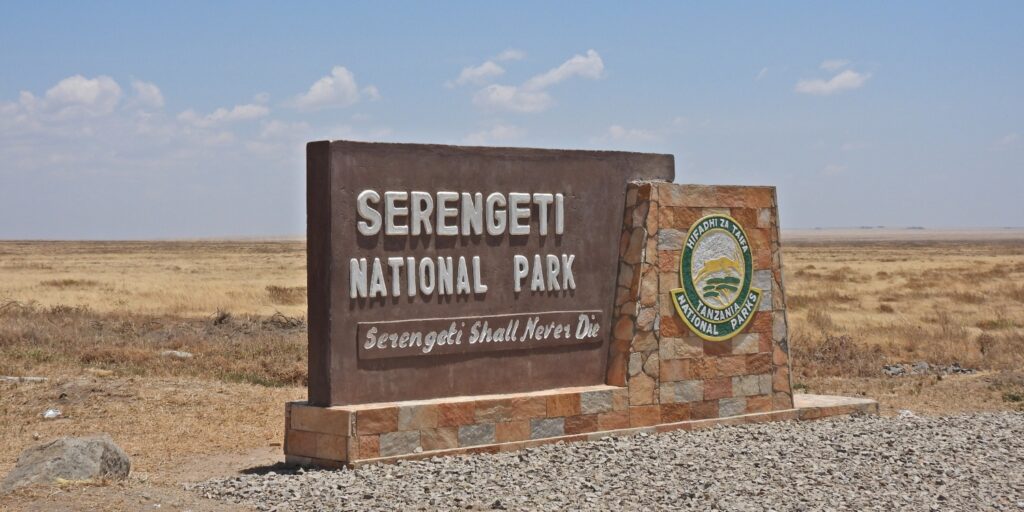
Serengeti national park is the highlight of the African wildlife safari experience for the African big 5 (Rhinos, Leopards, Lions, Elephants and Buffaloes). The park is one of the seven natural wonders of Africa and one of the 10 natural wonders of the world. It’s a destination of sanctuary not only in Tanzania but in the entire world.
Serengeti national park is among the largest national parks of Tanzania, covering a total land area of 14,763 square kilometers, which is an equivalent of 5700 square miles. It’s one of the oldest national parks in Tanzania, which was declared as a protected area in 1921. The main reason for gazetting the area was to protect the lion population in the area.
The poachers and the local Maasai people who inhabited the area used to kill the lions as their traditional practice as well as to protect their livestock. The protection was later enlarged to cover all the big cat family from the poachers. In 1951 the park was gazetted and declared a national park.
To date, Serengeti National Park is one of the premium national parks, not only in Tanzania but throughout Africa. Its among the four national parks that forms the Northern Tourism circuit of Tanzania. Alongside its counter parts of Ngorongoro crater, Tarangire national park , Serengeti national park and Lake Manyara national park.
History of Serengeti national park
The park was named after the Maasai word “Siringet,” which they used for describing the topography of the area. They call it “Siringet” which means the endless plains that run without the end. They thought that there is no end of the Serengeti plains as one can see as afar as he or she can but never predict its end. The local Maasai people are the first inhabitants of the area until they were relocated to the Ngorongoro Conservation Area. The park was first visited by the European explorer called Oscar Baumann in 1892. After his visit, Stewart Edward white came to Serengeti national park in 1913; he again came back in the in1920s and settled in the Seronera area for a period of 3 months.
Location of the park
Serengeti national park is located in the Northern part of Arusha Town, along the tourist circuit. Its bordered by great protected areas and conservancies like Ngorongoro crater, local conservancies and the Masai Mara national Reserve of Kenya.
The park can be easily accessed by road, taking about a 7- to 8-hour scenic drive. The drive covers a total distance of around 350 kilometers from the town of Arusha along a good tarmac road. The drive takes you through protected areas like Lake Manyara and Ngorongoro crater. This scenic drive through the protected areas makes you enjoy enroute game drives till you reach the main gate of the park.
You will enjoy the scenic drive through various coffee plantations and local Maasai mayata on your way. You can also access the park by air with more domestic flights available in Arusha airport directly to the different airstrips at the park. The largest airstrip at the park is Seronera Airstrip, which is internationally recognized. The airstrips are distributed across the park, some found in the Northern part of the park.
Serengeti national park was later recognized by UNESCO as a World Heritage site in 1981. It was also voted as one of the seven Natural Wonders of Africa based on its hosting of the world’s largest animal migration, which is the wildebeest migration. The popularity of the park is mostly based on the abundant wildlife, which is found in large populations. The annual lively wildebeest migration attracts millions of tourists to come and witness the live action of nature when millions of wildebeests and zebras cross the Mara River to the Masai Mara national reserve.
Attractions of Serengeti national park
Birds
Serengeti national park is a birding paradise, with over 500 bird species found at the park. It hosts over 34 species of raptors, making it one of the destinations in Africa with the highest number of Raptor species. Some of the birds include Fischer’s loverbird, Grey-Breasted spurfowl, Rufous-tailed weaver, Grey-crested helmet-shrike, Kori Bustard, Usambiro barbet, Secretary bird, Verreaux’s eagle, Red-capped robin-chat, Yellow-throated sandgrouse, Common bulbul, lovebirds, Starling and others.
Animals
Serengeti is famous because of the high population of animals, especially predators, at the park. Its also a home of Wildebeest migration which is the world’s largest animal migration. Serengeti national park is among the protected areas where you can see all of the African big five those are: Lions, Leopards, Rhinos, Buffaloes and Elephants and in large numbers. There are frequent sightings of the rare tree-climbing lions in the Seronera area of Serengeti national park. Guests can enjoy seeing a lion swinging on the tree branch as it rests in its natural habitat. Other animal species found at the park include: Cheetahs, Hyenas, Jackals, genet cats, Zebras, wildebeest, Giraffes, Hippos, Crocodiles, Topis, Oribi and many more.
Wildebeest migration
This is the largest animal migration in the whole world, which is hosted in Serengeti national park. The movement of millions of wildebeests from one area to another but following a clockwise direction is unique. The annual movement of the animals is in adirection. The wildebeest migration is the highlight of Visit Kenya Safaris, as thousands of tourists come to the park to watch this live action of nature. It’s out of the wildebeest migration that Serengeti was voted as a natural wonder of Africa. The migration is almost throughout the year, though its climax is witnessed in July to August when the wildebeest cross the deadly Mara river to the Masai Mara national reserve. Other sections of the migration happen in June in Grumeti river in the Western part of Serengeti and the calving season, which happens early in the year in the Southern part of Serengeti.
Plants
Serengeti national park in habits over 314 plant species which are traditional tree species. These include different grass species, trees and shrubs that are distributed across the national park. Some of the plant species are medicinal, while others are true Africa native trees that are only found in Serengeti national park. The different vegetation types that form the endless plains of Serengeti national park has contributed to the wide range of plant species.
Moru Kopjes
The kopjes are scenic rocks that are geological points of view; they are very old granite rocks called “Moru” by the locals in their Maa language. This means the old rocks are very old and eroded in and out over years by erosion agents like rainfalls and biological agents exposing their Iron contained in them. The Moru Kopjes is home to the few remaining black Rhinos in Serengeti national park.
Activities done in Serengeti national park
Some of the key activities that can be done by guests during their safari include:
Birding
Birding safaris is one of the key activities that can be done in Serengeti national park. Birding can be done throughout the year. The best time for doing birding safaris is in the rainy season when the birds are nesting. The park has five endemic birds, which are very rare and 30 species of raptors. The guest must have the best camera with good binoculars, which can catch live action in the air while birds are in flight. The bird list is long, including the Kori bustard, Secretary bird, Rufous-tailed weaver, Fischer’s lovebird, Grey-breasted spurfowl, Black-headed gonolek, Spurb sterling, Ruppell’s vulture, Southern ground hornbill, Grey-crested helmet-shrike, Black Eagles, Ostriches, and Usambiro barbet, to mention but a few.
Game viewing

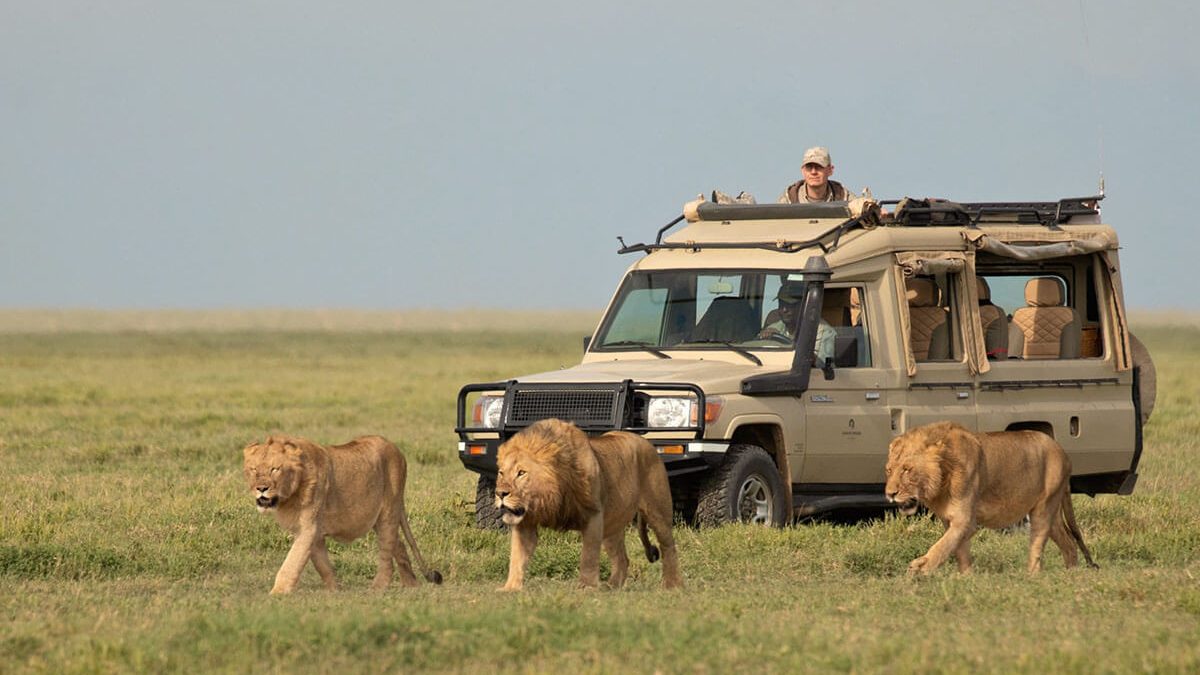
Game viewing is one of the key activities done in Serengeti national park. Game drives can be done all year round. Go close to different wildlife like the African big 5 at their natural habitants like cheetahs, lions, leopards, Elephants, wildebeest, warthogs, Rhinos and many more mammals in their natural habitats. Game drives can be done for a full long day or broken in to two that is morning and afternoon game drives. The 4×4 wheel drive safari cars are recommended due to the terrain of the park, especially during the rainy season.
Hot Air Balloon
Experience the best of the park with an eagle on hot air balloon safaris. The balloon safaris start early in the morning with a briefing from the pilots before we hit the sky. The balloon driver will be meeting you at the lodge and driving you to the balloon starting point. The balloon safaris are in the central Seronera area, the Ndutu area in the south and the Northern part of the Serengeti near the Mara River. The Hot air balloon takes 2 to 3 hours depending on the weather of the day. This is a privately arranged Serengeti national park safari activity. It’s not included in the park entry fees; you have to book in advance since it has its maximum carrying capacity.
Other activities that can be done in Serengeti national park include: Cultural walks, Nature walks, Visiting the Tourist information center and many others.