Kenya Safari Circuits
Anyone planning a Kenya safari soon meets the word circuit. An operator will recommend the southern circuit, a guidebook will describe the northern circuit, and an article will mention the western or coastal circuit. The word is useful, because Kenya is large and its parks are spread out, and grouping them into routes makes planning easier. The difficulty is that different sources define the circuits differently. What one calls the southern circuit includes the Maasai Mara, while another uses the same name for Tsavo and Amboseli.
This guide explains the circuits in a way that survives that confusion. It starts with how the terms are used, gives a simple four-route framework of southern, northern, western and coastal, then describes what each route includes, how long it takes, who it suits and how to link it with others. It adds drive times, sample itineraries from a week to twelve days, a chooser by traveller type, notes on costs and the best time to go, and it flags the places where sources disagree.
Why Kenya Is Divided Into Circuits
Kenya’s major wildlife areas lie hundreds of kilometres apart, and road journeys between them take from two to seven hours. A circuit is a group of parks and reserves that can be visited together without long backtracking. The idea is practical rather than official: it helps tour operators price trips, helps travellers choose and lets you see what belongs together on a map.
A good circuit has a logical shape, usually starting and ending in Nairobi, with two or three main stops and one or two lighter ones. The sections below describe the circuits as they are most commonly used, and flag where definitions differ.
A Note on Definitions: Eight Circuits, Four Routes
To avoid confusion, always ask an operator to list the parks in a circuit by name, not just by label. The parks are what you will visit, and the label is only shorthand.
| Practical Route in This Guide | Equivalent Names Used Elsewhere | Main Places |
| Southern route (Mara, lakes and Amboseli) | South Rift circuit plus part of the southern circuit; often called the classic or western circuit by some operators | Maasai Mara, Lake Nakuru, Naivasha, Hell’s Gate, Amboseli |
| Tsavo and the south-east | Southern circuit in older listings | Tsavo East, Tsavo West, Chyulu Hills, Amboseli |
| Northern route | North Rift and Eastern circuits | Samburu, Buffalo Springs, Shaba, Laikipia, Lewa, Ol Pejeta, Lake Turkana |
| Western route | Western circuit | Lake Victoria basin, Kakamega Forest, Kisumu Impala Sanctuary, Ndere Island, Ruma and Saiwa Swamp |
| Coastal route | Coastal circuit | Mombasa, Diani, Watamu, Malindi, marine parks, Shimba Hills, Lamu |
The Southern Route: The Classic First Safari
For most first-time visitors, the southern route is Kenya. It is anchored by the Maasai Mara, which has Kenya’s highest wildlife density and the migration from about July to October, and by Amboseli, with elephants beneath Kilimanjaro. Lake Nakuru and Lake Naivasha, on the way to the Mara, add rhinos, pelicans and a UNESCO lake system, and Hell’s Gate gives a chance to walk or cycle among wildlife.
A well-balanced classic is Amboseli national park, Lake Nakuru and the Mara over about seven days, with the Mara getting three nights. It gives the strongest combination of wildlife density and accessibility, and it can be extended with a few nights on the coast. The main trade-off is that the Mara is busy and expensive in peak months, which is why many travellers add a conservancy night or two.
The Tsavo and South-East Route
Between Nairobi and Mombasa lie Tsavo East and Tsavo West, which together form one of the largest protected areas in Africa, along with the Chyulu Hills and, on the border with Tanzania, Amboseli. Tsavo East is a vast plain of red earth and elephants, and Tsavo West has the Mzima Springs, the Shetani lava flows and the Ngulia Rhino Sanctuary.
A typical route of seven to ten days starts at Amboseli and moves through Tsavo West and Tsavo East, finishing at the coast. It is less crowded than the Mara and offers a different landscape. Under the Kenya Wildlife Service tariff described in 2026 sources, entry to each Tsavo park is US$80 for non-resident adults, paid online. It pairs naturally with the coastal route, since Tsavo is the safari anchor for coast-based visitors.
The Northern Route: Dry Country, Rare Species and Conservancies
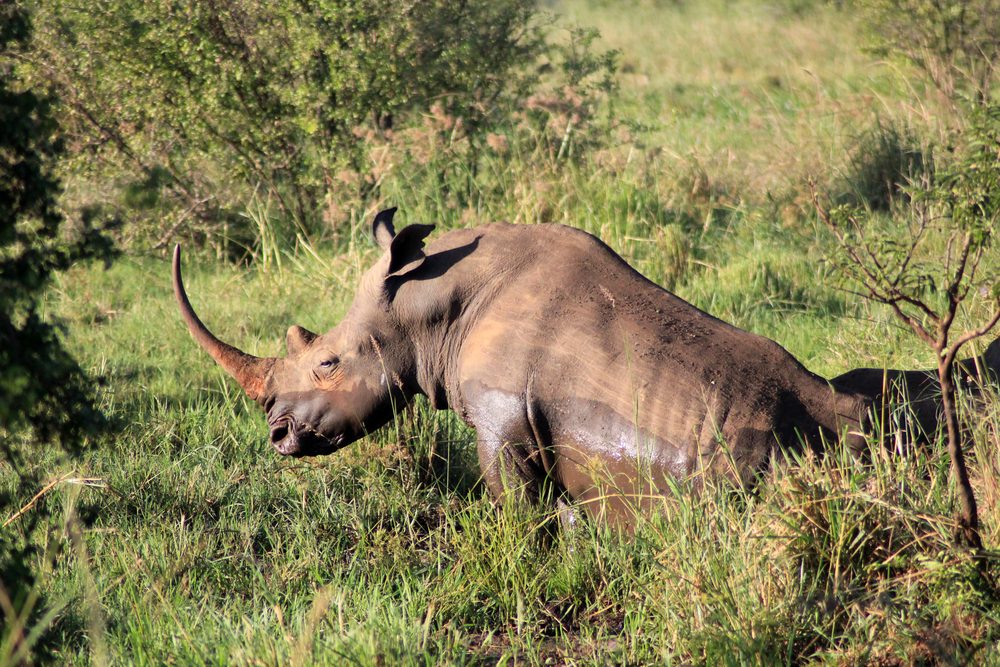
North of Mount Kenya, the landscape changes, and so does the wildlife. Samburu, Buffalo Springs and Shaba hold the Samburu Special Five: Grevy’s zebra, reticulated giraffe, Beisa oryx, gerenuk and Somali ostrich. The Laikipia plateau hosts private conservancies and sanctuaries, including Ol Pejeta, which is described as the largest black rhino sanctuary in East Africa, Lewa and Borana, where activities include walking, horse riding, camel safaris and rhino tracking.
Farther north, the circuit extends through Marsabit and the Chalbi Desert to Lake Turkana, with sites such as Sibiloi National Park, and includes Rift Valley lakes such as Bogoria and Baringo. This is Kenya’s most remote and least visited route, best as a standalone trip of seven to eight days or more because of distances, and it suits travellers who have done the Mara and want walking, solitude and a sense of the frontier.
The Western Route: Lake Victoria and the Forests
The western route is the least crowded of Kenya’s circuits. It centres on Lake Victoria, the largest lake in Africa, shared with Uganda and Tanzania, and includes Kakamega Forest, a remnant of rainforest rich in primates and birds, the Kisumu Impala Sanctuary, Ndere Island National Park, Ruma National Park and Saiwa Swamp National Park. Thimlich Ohinga, the UNESCO archaeological site, lies in the same region.
It does not offer the Big Five density of the Mara, but it rewards nature lovers, birders and travellers interested in culture and landscape, and it links naturally with a trip to Uganda. The western route is best combined with a flight to Kisumu or a long road journey, and it suits visitors with more time who want variety.
The Coastal Route: Beach, Marine Parks and Short Safari Add-Ons
The coastal circuit combines Indian Ocean beaches with shorter, more accessible safari add-ons. Mombasa offers Fort Jesus and Old Town, Diani and Watamu have long beaches, and marine parks such as Watamu, Mombasa, Malindi and Kisite-Mpunguti protect reefs and offer snorkelling and dolphin trips. Arabuko Sokoke Forest, the Tana River Primate Reserve and Shimba Hills National Reserve add forest and primate experiences, and the Gedi ruins and Lamu add heritage.

Tsavo East and West are the safari anchors for coast-based visitors, being considerably closer to the coast than the inland circuits. A bush-and-beach trip of ten days might combine the Mara or Amboseli with a flight to Diani, and the Standard Gauge Railway links Nairobi with Mombasa, stopping at Voi for Tsavo.
How Long Does Each Route Take? Drive Times From Nairobi
The pattern is clear: the southern and central parks are within one long day by road, the north is a full day or a flight, and the coast is a flight or a train ride. A circuit that includes a long road leg every day will leave little time for wildlife, so the rule of thumb is two nights per base and no more than five hours on the road on any day.
| From Nairobi to | Road Time | By Air |
| Lake Nakuru | About 2.5 hours | Rarely flown |
| Aberdare National Park | About 3.5 hours | Rarely flown |
| Ol Pejeta Conservancy | About 3.5 hours | Short charter flight |
| Amboseli National Park | 4 to 5 hours | Short flight from Wilson Airport |
| Maasai Mara | 5 to 6 hours | About 45 minutes |
| Tsavo East via Voi | 5 to 6 hours, or about 4 hours by train to Voi | Airstrips inside the park |
| Samburu | 6 to 7 hours | About 45 minutes |
| Mombasa | About 5 to 6 hours by train | About 1 hour |
Sample Itineraries
A northern and southern combination extends to eight or more days, adding Laikipia or Samburu alongside the southern highlights for travellers who want both classic safari imagery and the activities that conservancies allow. Combine two circuits only if you have enough days, and use flights to avoid long backtracking.
| Route | Length | Outline |
| Classic South | 7 days | Amboseli, Lake Nakuru and the Mara, with the Mara getting three nights |
| Bush and Beach | 10 days | Amboseli and the Mara, then a flight to Diani for a beach finish |
| Northern Frontier | 7 to 8 days | Ol Pejeta, Samburu and Laikipia for rhinos, dry-country species, walking and solitude |
| Grand Tour | 10 to 12 days | Amboseli, Lake Nakuru, Laikipia or Ol Pejeta, the Mara and the coast |
| Tsavo and Coast | 7 to 9 days | Amboseli, Tsavo West, Tsavo East and Diani or Watamu |
| Western and Rift | 7 to 10 days | Lake Nakuru, Kisumu, Kakamega Forest and Lake Victoria sites, often paired with the Mara |
Which Circuit Suits You? A Chooser
| If You Are | Choose | Why |
| On a first safari | Southern route | Highest wildlife density, easiest access, widest range of lodges |
| A repeat visitor wanting something different | Northern route | Rare species, walking, rhino tracking and fewer vehicles |
| Combining safari with a beach holiday | Tsavo and coastal route | Closer to the coast, easy rail and air links |
| Interested in birds and forest | Western route and Rift lakes | Kakamega, Saiwa Swamp and Lake Nakuru |
| Short on time | Southern route, shortened to the Mara and one other park | Short flights and transfers |
| Budget-conscious | Tsavo, Lake Nakuru and county reserves | Lower park fees than the Mara in peak season |
| Looking for solitude | Conservancies in the Mara or the northern route | Capped vehicle numbers or remote areas |
Costs: How the Circuits Compare
The southern route is the most expensive in peak months because of the Mara’s park and conservancy fees. A 2026 gate guide gives the non-resident adult fee at about US$100 per day from January to June and US$200 from July to December, and conservancy fees are additional. Tsavo’s fee is about US$80 per day, Lake Nakuru national park about US$90, and the Aberdare about US$70 in recent summaries, while county reserves such as Samburu and Buffalo Springs charge about US$70 to US$80.
The coastal route can be modest in park costs, with marine park entry quoted at about US$25 for foreign adults, but beach hotel prices rise in December and July to August. The northern and western routes can be cheaper in some ways and more expensive in others, since distances increase transport costs and flights may be needed. Whichever you choose, ask for itemised quotes that show fees, transfers and accommodation separately.
Getting Around: Road, Rail and Air
Most travellers use a 4×4 safari vehicle with a driver-guide for road transfers, and scheduled and charter flights from Wilson Airport link Nairobi with the Mara, Amboseli, Samburu, Lamu and the coast. The Standard Gauge Railway runs between Nairobi and Mombasa. Visitors need an electronic travel authorisation, applied for online well before departure, and the main entry point is Jomo Kenyatta International Airport.
Flights save a day on long legs and are worth the cost on trips of ten days or more. A common pattern is to drive to the first park and fly between later ones, or to fly into the Mara and out to the coast.
Best Time to Go, by Circuit
For the southern route and the Mara, the dry months of January to February and June to October are best, with July to October the migration peak. For Tsavo and Amboseli, the dry seasons concentrate animals near water, and clear mornings help for Kilimanjaro. For the northern route, the dry months are best for wildlife and walking, though it is hot at any time. For the western route, the wetter months bring lush forest and good birding, and migrants arrive from about November. For the coast, January to March and July to September offer the calmest seas.