Nairobi National Park Walking Safaris
Nairobi National Park Walking Safaris: Just only 7 miles from the heart of Kenya’s capital city—Nairobi is Nairobi National Park—a unique safari destination as it is the only wildlife sanctuary in the world located within a capital city.
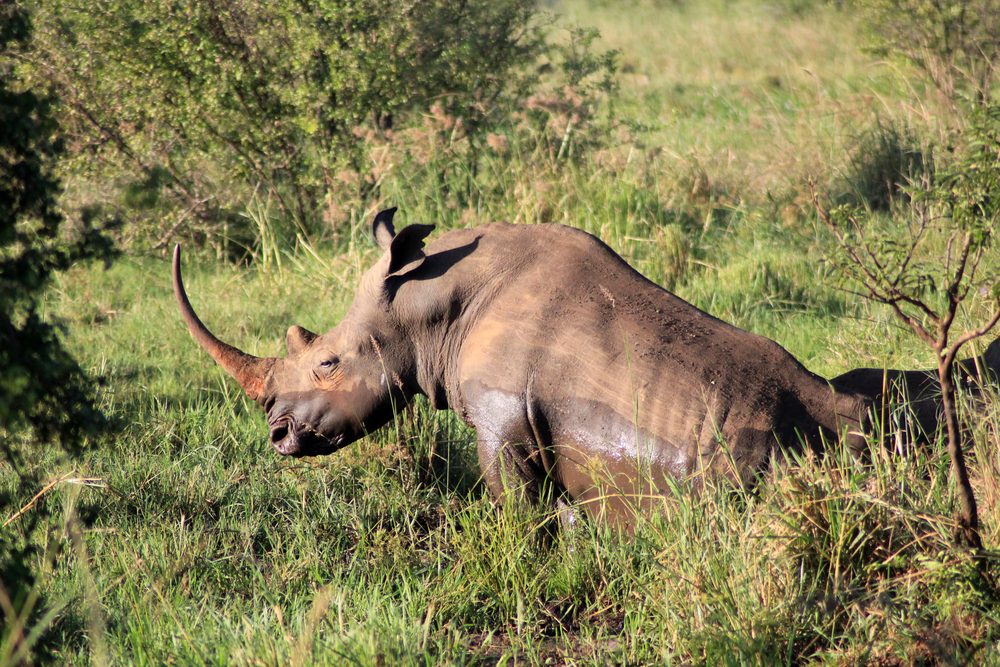
There is no other place in the world like Nairobi, where you can see giraffes from your window seat upon landing at the city’s Jomo Kenyatta International Airport, or observe endangered rhinos against a backdrop of skyscrapers in the downtown area.
Nairobi National Park is a perfect destination to start your Kenya safari to the country’s famous destinations like Maasai Mara National Reserve, Amboseli and Tsavo National Parks, among others. The park offers a wide range of safari experiences, including guided walking safaris.
Is Walking Allowed in Nairobi National Park?
Yes, guided walking safaris in Nairobi National Park are allowed inside the park, but only at the Hippo Pool viewing area—a restricted location along the Mbagathi River. Just outside of Nairobi National Park, you can walk on the Nairobi Safari Walk or in the Animal Orphanage. For safety purposes inside the park, all visitors are required to stay inside their safari vehicles, enforced by the Kenya Wildlife Service, as the park is home to free-roaming wildlife such as lions and rhinos, among other animals that are potentially dangerous.
At the Hippo Pool, visitors receive a briefing from a ranger guide before leaving their safari vehicles and walk along a short riverside trail and viewing platform to observe hippos, crocodiles and several riverine bird species while staying within a clearly marked and monitored safe area. Outside of the designated area in Nairobi National Park, guided walking safaris in Nairobi National Park are permitted nowhere else in the park—game viewing only takes place from the safari vehicle.
While on a walking safari at the Hippo Pool, be on the lookout for hippos resting in the river pools, Nile crocodiles basking along the banks, bird species such as kingfishers and herons, and other small antelopes and monkeys near the vegetation.
Walking Trails in Nairobi National Park
Game viewing in Nairobi National Park is primarily done from a safari vehicle with a pop roof and open windows; only a few designated areas in the park allow visitors to get out of their safari vehicles and safely experience the ecosystem and wildlife on foot led by an experienced guide.
Walking trails in Nairobi National Park provide a different way of exploring the park and its ecosystem, getting closer encounters with the wildlife and nature, observing their habitats, listening to bird calls, learning to track the different wildlife species and learning more about Kenya’s conservation, which you would miss out on in your safari vehicle.
There are three main locations where walking safaris in Nairobi National Park are mostly conducted: Hippo Pool inside the park and Nairobi Safari Walk and Nairobi Animal Orphanage, which are situated just outside of the main gate.
The Hippo Pool
The Hippo Pool is a short nature trail designated for guided walking safaris in Nairobi National Park. The trail combines scenic, education and recreational value within the park’s border safari circuit. The trail offers a slower way of exploring the park as well as a more interpretive experience. This area also serves as both a visitor-use site and a riverine-linked habitat setting.
The Hippo Pool offers more than a trail for guided walking safari; it boasts beautiful scenery of the park and it is a perfect spot to take nature photos. The trail is shaded by riverine vegetation such as acacia and fig trees, running parallel to the riverbank, where visitors can look down into the water and observe the resting hippos in the water pools and crocodiles basking along the banks.
Unlike the open savannah of Nairobi National Park, the atmosphere here is very different. It is cooler, quieter and more enclosed, with bird calls from the trees and constant sounds of water moving through the river channel. Because of the dense vegetation cover and abundant water, the area attracts several bird species such as herons and cormorants, vervet monkeys and occasional antelopes seen drinking water along the river banks.
A guided walk along the Hippo Pool takes approximately 15-30 minutes, walking along the path to the viewpoint platform and returning to the safari vehicle.
The Hippo Pool Trail in Nairobi National Park has a distance of 600 – 1200m and it is rated very easy.
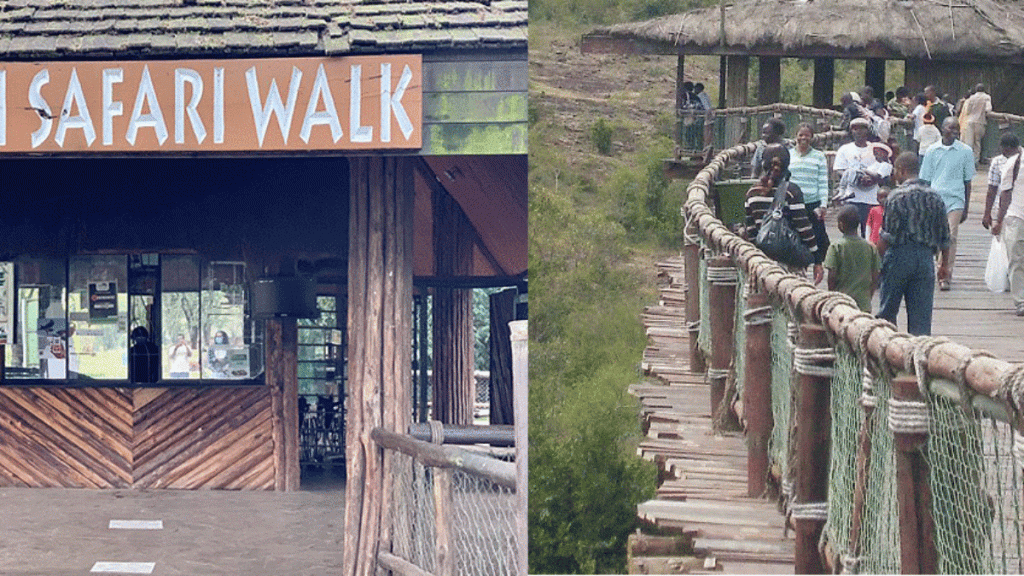
The Nairobi Safari Walk
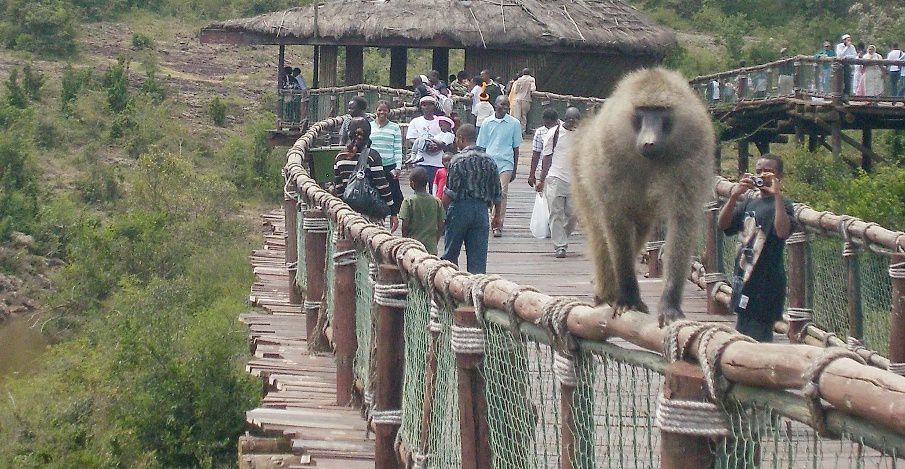
The Nairobi Safari Walk is characterized by three simulated major ecosystems namely; wetland, savannah and forest, offering the closest interaction with wildlife and nature you can get in the wilderness of Nairobi National Park. The raised wooden boardwalk snaking around the ecosystem allows for uninterrupted views of the animals, the varied wildlife habitats, River Mokoyet and the beautiful rock thickets of Nairobi National Park.
While on this walk, visitors can discover the flora and fauna they expect to see around Kenya, including white rhinos, big cats like lions and leopards, crocodiles, pygmy hippos, antelopes and primates. The area is also home to some 150 indigenous trees.
The Nairobi Safari Walk also acts as a wildlife research center especially for students and learning institutions.
Nairobi Safari Walk Entrance Fees
| Category | Adult | Child |
| International Visitors (Non-Visitors) | US$ 25 | US$ 15 |
| African Citizens (Non-East Africans) | US$ 15 | US$ 10 |
| Kenya Residents (with permit) | Ksh. 405 | Ksh.300 |
| East African Citizens | Ksh. 300 | Ksh. 200 |
Nairobi Animal Orphanage
Set amidst the lush green vegetation of Nairobi National Park, the Animal Orphanage is a refuge for the wild, world-renowned for its efforts in nurturing orphaned, aged, injured and abandoned wildlife. Also, the facility is a conservation education hub for schools, higher learning institution and the public. Here, conservation education is conducted in an effort to foster and rally Kenyans and the public at large to take part and contribute to the conservation of Kenya’s wildlife heritage for the present and future generations and for the world.
Nairobi Animal Orphanage Entrance Fees.
| EAST AFRICAN CITIZEN (KSH) | RESIDENT (KSH) | NON-RESIDENT (USD) | AFRICAN CITIZEN (USD) | ||||
| Adult | Child | Adult | Child | Adult | Child | Adult | Child |
| 300 | 200 | 405 | 300 | 25 | 15 | 15 | 10 |