Nairobi National Park Ivory Burning Site
The Nairobi National Park ivory-burning site is one of the most important landmarks in the history of conservation; it was at this site that the Kenyan president, Daniel Arap Moi, made a dramatic statement to poachers by setting fire to 11 tons of ivory in 1989. This event improved the image of Kenya’s conservation at a time when East African wildlife was declining by relentless poaching, and it is widely credited as playing a role in turning the tide against poaching in Kenya.
Nairobi National Park is a unique safari destination—”The World’s only Wildlife Capital.”It is the only protected area in the world found in a capital city, situated just 7 kilometers from the city center. With an area of 117 square kilometers, Nairobi National Park is set on the city’s southern outskirts. It protects abundant wildlife and boasts a magnificent back of the city skyscrapers and planes coming in to land at Wilson Airport and Jomo Kenyatta International Airport.
On April 30th, 2016, the then President of Kenya, Uhuru Kenyatta, oversaw the burning of 100 tons of ivory at the same site—the Ivory Burning Site in Nairobi National Park—amounting to the tusks from 6,000 elephants, or 5% of global ivory stocks.
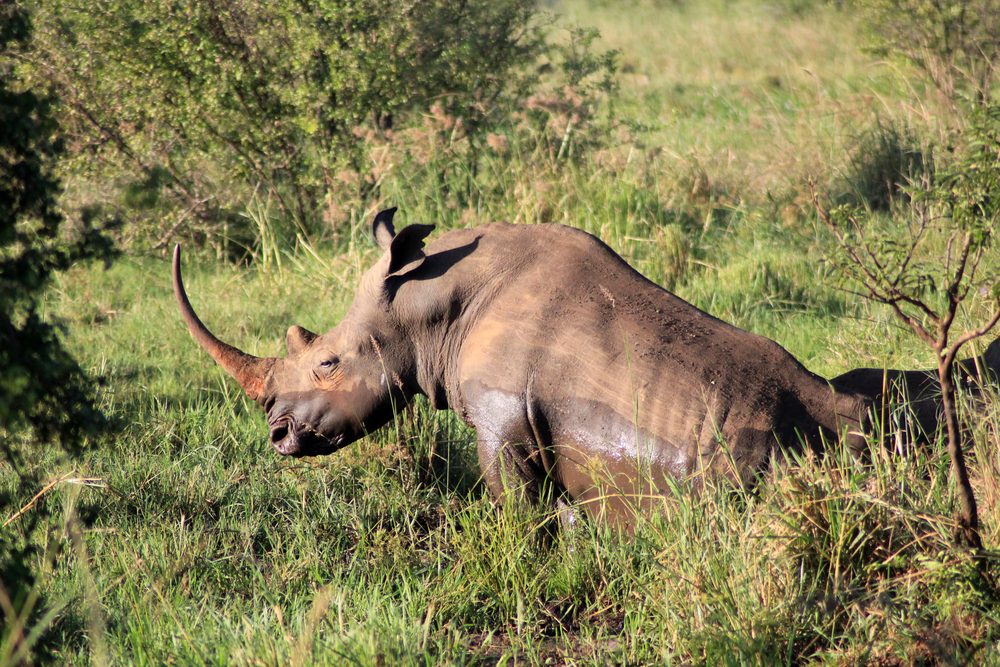
This gesture sent a very strong message to the world that Kenya will not tolerate and benefit from the poached animals by getting rid of the bulk of Kenya’s stockpile of ivory. 105 tonnes of elephant tusks (equating to about 8,000 elephants), 1.35 tons of rhino horn (approximately 250 rhinos), and various other poached items such as lion skins, leopard skins, and more were set ablaze on this historic occasion at Nairobi National Park. The remaining 17 tonnes of ivory are the biggest and heaviest tusks, which will be kept aside for research to be displayed in Kenya’s museums and for historical purposes.
The historical burn follows the inaugural “Giants Club Summit,” which brought together a number of African heads of state, Conservationists and key business and social leaders to discuss various conservation issues, and in particular the protection of elephants and their landscapes.
The Ivory Burning Site in Nairobi National Park, established in 1989, marks the historic event where over 12 tons of confiscated ivory were burned to demonstrate the commitment of Kenya as a country to protecting elephants.
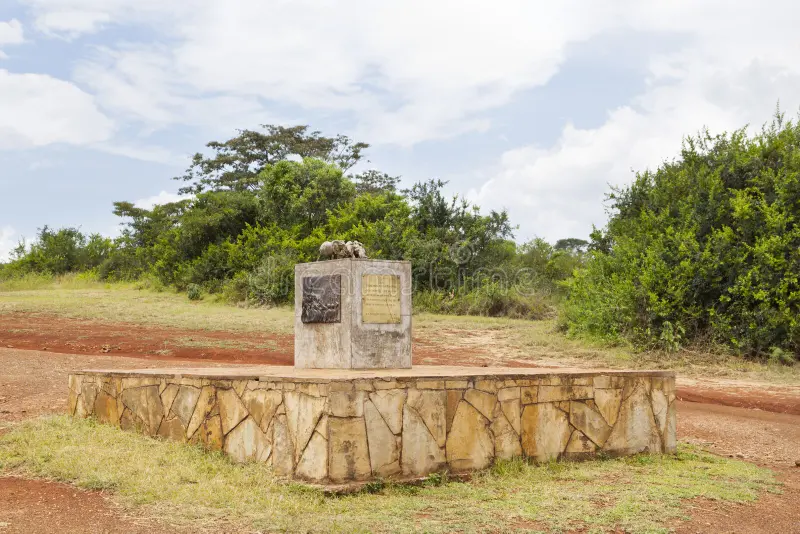
Also, the area where the monument is found offers a picnic space for visitors, allowing them to reflect on wildlife conservation while enjoying the scenic surroundings. Also, the monument is a place of education where guests can learn about the efforts to preserve endangered species in the country and the importance of ecosystem protection.
The Ivory Burning Site in Nairobi National Park is situated just inside Nairobi National Park’s main Langata Road Gate.
History of Ivory Burning Site in Nairobi National Park
The Ivory Burning Site in Nairobi National Park was inaugurated in 1989 by President Daniel Arap Moi, marking the first public destruction of ivory in the world. In a symbolic act, 12 tons of elephant tusks were burned to protect the illegal ivory trade and combat the poaching crisis that has decimated Kenya’s elephant population, dropping from 65,000 in 1979 to 17,000 by 1989.
The burning of the ivory was organized by Dr. Richard Leakey, aimed to raise global awareness and secure a ban on ivory trade at the CITES meeting that year, which was successfully achieved in 1990. This event inspired other nations to destroy their ivory stockpiles, making it a pivotal moment in global conservation.
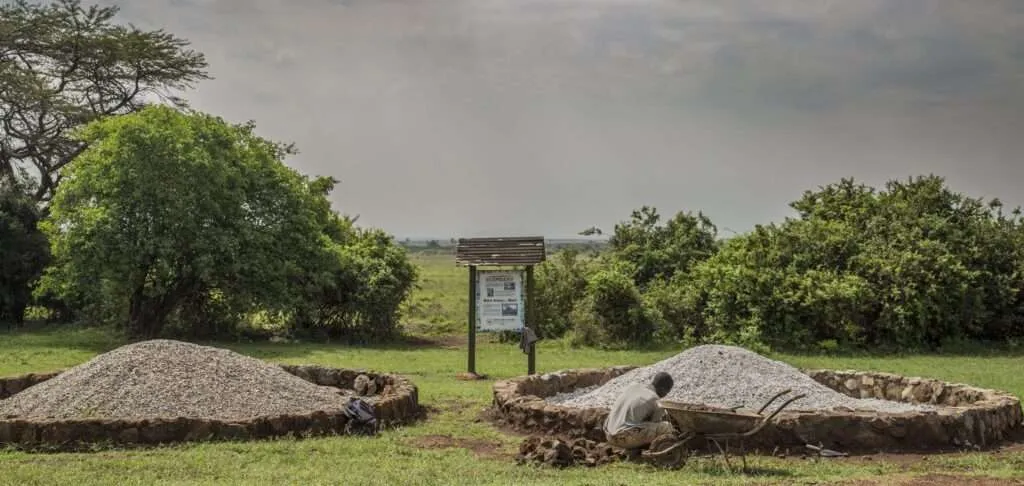
The purpose of burning the ivory is to diminish the demand for ivory products, emphasizing that the real value of ivory lies in living elephants and rhinos. By burning ivory worth millions on the black market in public, Kenya reinforced its commitment to protecting endangered species, choosing conservation over profit.
Since 1989, Kenya has held multiple ivory burns, including the largest one in 2016, where President Uhuru Kenyatta burned 105 tons of ivory, reinforcing the message that ivory trade is unacceptable. These burns have turned the Ivory Burning Site in Nairobi National Park into an international symbol of wildlife conservation and Kenya’s leadership in the fight against poaching.
Comparing the 1989 and 2016 Ivory Burning at Nairobi National Park
| Aspect | 1989 Ivory Burning | 2016 Ivory Burning |
| Date | July 18, 1989 | April 30, 2016 |
| President | Daniel Arap Moi | Uhuru Kenyatta |
| Amount of Ivory Burnt | 12 tons (from 2,000 elephants) | 105 tons (from 8,000 elephants) |
| Rhino Horns Burned | None | 1.35 tons (from 343 rhinos) |
| Market Value of Ivory | Approximately $3 million | Estimated $150–220 million |
| Purpose | To halt the ivory trade and poaching, while promoting a global ivory ban | Reinforce Kenya’s anti-ivory stance; also discourage poaching further |
| Global Context | Aimed to securing a global ivory trade ban in CITES in 1990 | Emphasized the ongoing need for strict anti-poaching measures globally. |
| Symbolism | First-ever public ivory burning; set global precedent | Largest ivory burn in history; reaffirmed global leadership in conservation. |
| Execution | Ivory stacked in a 20-foot pile, fueled by gasoline. | Ivory stacked into towers up to 10 feet high, built over 10 days. |
| Attendance | Diplomats, conservationists and Kenyan officials | Global leaders, including President Ali Bongo Ondimba of Gabon |
| Impact | Helped secure the 1990 CITES global ivory trade ban | Reinforced global resolve against the ivory trade; strengthened conservation efforts. |
| Long-term Legacy | Set the foundation for global conservation movements | Reaffirmed Kenya’s ongoing leadership in wildlife protection |
Key Facts and Landmark Status of the Ivory Burning Site in Nairobi National Park
- Established in 1989
- Over 12 tons of ivory was burned in the inaugural event
- Largest ivory burnt in 2016 with 105 tons
- The burning of the Ivory is a global symbol of the fight against illegal wildlife tracking
- The Ivory Monument in Nairobi National Park commemorates the ivory burning events and the animals that lost their lives to poaching
- The landmark’s location—The Ivory Burning Site joins other landmarks like Hyena Dam and Leopard Cliffs in offering significant historical and ecological insights into the park
- The Ivory Burning Site has become an integral part of Kenya’s national heritage, symbolizing the country’s unwavering stance on conservation and its leadership in the global anti-poaching movement.