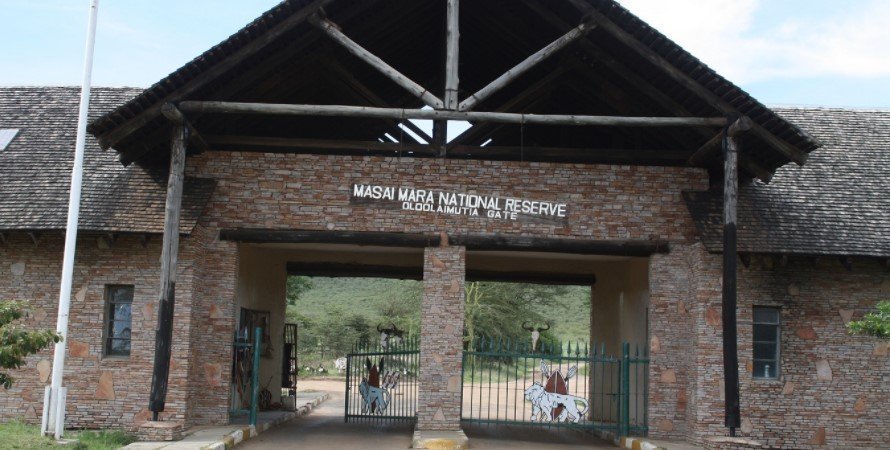
Park Entrance Fees for Masai Mara
Park Entrance Fees for Masai Mara ; Named from a local Maa language word “Mara,” meaning “spotted” in reference to how the Mara is dotted with acacia trees, indentations and craters when looked at from afar, Masai Mara National Reserve is the best game viewing destination in Africa.
The reserve and its wide-open plains provide an oasis-like sanctuary for an abundance of wildlife, including elephants, buffaloes, zebras, hyenas, giraffes and the Mara’s celebrated big cats—lions, leopards and cheetahs.
Every year, from about July to November, Masai Mara’s savannah plains provide nourishment for wildebeest herds as part of their annual migration through the Serengeti–Mara Ecosystem. Covering about 370,000 acres in south-western Kenya, Masai Mara National Park shares unfenced borders with a number of private conservancies. The northernmost part of the Mara–Serengeti Ecosystem, famous for the annual Great Migration.
Just like other protected areas in the world, you are required to pay a set fee to gain access to the park and enjoy its offerings.
Here are the Park Entrance Fees for Masai Mara National Reserve
The Masai Mara National Reserve entry fees were last revised in 2023 as per the Masai Mara Management Plan. The updated Masai Mara Park Fees structure is designed to accommodate the two main seasons, that is, 1st January to 30th June and 1st July to 31st December.
Masai Mara National Reserve Entrance Fees for 2026
|
Category |
1st Jan – 30th June (Low & Mild Season)
|
1st July to 31st December (High Season) |
|||||
|
Child |
Student |
Adult |
Child |
Student |
Adult |
||
|
Non-residents |
USD 50 (from 9 – 17 yrs) Free (Under 9 years) |
USD 50 |
USD 100 |
USD 50 (from 9 to 17 years) Free (Under 9 years) |
USD 50 |
USD 200 |
|
|
East Africa Residents |
Ksh. 1,000 Free (Under 9) |
Ksh 2,000 |
Ksh. 2,500 |
Ksh.1,000 Free (Under 9) |
Ksh 2,000 |
Ksh 5,000 |
|
|
Kenyan Citizens |
Ksh. 1,000 Free (Under 9) |
Ksh 1,000 |
Ksh. 1,500 |
Ksh.1,000 Free (Under 9) |
Ksh 500 |
Ksh 3,000 |
|
|
Narok Residents |
Ksh. 500 Free (Under 9) |
|
Ksh 2,000 |
Ksh.1,000 Free (Under 9) |
|
Ksh 2,000 |
|
Note:
• Students must produce a valid student ID.
• Carry your valid national ID, Passport, or work permit
• Child rates apply to people above 8 years but below 18 years
• Please note that the resident fees apply to residents of Kenya, Uganda, Tanzania, Rwanda and Burundi.
• Daily Entry fees to Masai Mara National Reserve are valid from 6 am to 6 pm (12-hour basis)
• Campers at private campsites must hire two rangers for the nighttime security. Rangers are transported to and from your campsite, and food and accommodation for the rangers are not required.
• Landing fees can be paid at the KAPS Office in Nairobi with checks made payable to Mara Conservancy.
Other conservancies and game ranches bordering Masai Mara National Reserve, such as Mara North Conservancy, Mara Naboisho, Olare Motorogi, Ol Kinyei and Enonkishu Conservancies.
|
Category |
1st Jan – 30th June (Low & Mild Season) |
1st July to 31st December (High Season) |
||
|
Child/Student |
Adult |
Child |
Adult |
|
|
Non-residents |
USD 45 |
USD 80 |
USD 75 |
USD 120 |
|
East Africa Residents |
Ksh. 500 |
Ksh. 1,000 |
Ksh. 1,500 |
Ksh 2,000 |
|
Kenyan Citizens |
Ksh. 1,000 |
Ksh.1,000 |
Ksh.1,000 |
Ksh 2,000 |
Over the years, Masai Mara National Reserve entry fees have been changing depending on the season of visit. However, it is crucial to note that the best time to visit this iconic reserve is between July and October when the wildebeest and other herbivores travel from Serengeti National Park in Tanzania to Masai Mara. During this time, however, these fees are usually hiked, and most hotels are booked.
Also, it is important for visitors entering Masai Mara National Reserve to be in the know with the revised entry fees. The Masai Mara entry fees for international visitors (non-foreigner residents) have increased significantly, which is proof of the growing demand for accessing the reserve.
Even though the fees for local residents have also been raised, they remain lower compared to the fees to be paid by international tourists.
Accessing Masai Mara National Reserve
Masai Mara National Reserve is found in a remote location; regardless, it is easy to access. For international visitors, your Kenya safari to Masai Mara starts at Jomo Kenyatta International Airport in Nairobi—the capital of Kenya, where most arrivals occur. From there you can access the iconic Masai Mara by either road or air.
Since roads are usually in poor condition, especially during the rainy season, we recommend traveling using a 4×4 safari vehicle, as well as flying. Flights to Masai Mara are from the Wilson Airport to one of the many airstrips in the reserve. These flights are offered by several airlines, including SafariLink and AirKenya; the flight duration is between 45 and 60 minutes.
Airstrips serving Masai Mara National Reserve include
• Mara North Airstrip
• Serene Airstrip
• Keekorok Airstrip
• Ol Kiombo Airstrip
• Musiara Airstrip
If you decide to travel to Masai Mara National Reserve by road, we recommend a guided drive-in safari. From Nairobi, it is a journey of about 280 km and a drive of about 5-6 hours through the Rift Valley Escarpment and Narok Town.
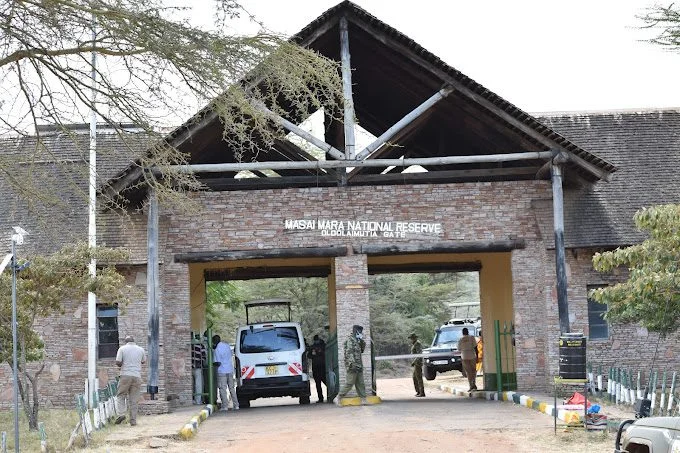
In Narok, you will have another break to stretch your legs, get a few snacks and visit the toilet. From there, you will have your next stop in Masai Mara, and you are guaranteed an opportunity to see and interact with the Maasai people and their manyattas (traditional huts).
Best Time To Go on A Masai Mara Safari
There is no real best time to go to the Masai Mara for Kenya safari, thanks to its abundant wildlife and mild climate. The reserve is renowned as a year-round safari destination because there is almost always something to see on the wide and open plains of Masai Mara.
The only time when it is not ideal to travel is during the long rains in Kenya—about April to June. In this period some safari lodges and camps are closed during this time.
Deciding on when to go to the Mara for a safari depends on a few facts like your personal schedule, budget and what to see and experience. So plan your Masai Mara safari accordingly.