Maasai Mara National Reserve Rules & Regulations
The Maasai Mara National Reserve Rules & Regulations; The iconic Maasai Mara National Reserve is a classic Africa safari destination. The reserve abounds with rolling grasslands, expressive acacia trees, sweeping vistas teeming with wildlife and one of Africa’s common but unforgettable sights, “the cumulus clouds that drift all day long across an unfilled sky,” as Elspeth Huxley wrote in The Flame Trees of Thika.
Maasai Mara National Reserve spans 1,510 square kilometers of open plains, Vachellia-dotted hills and the winding Mara River.
The world-famous Maasai Mara National Reserve is located in the Great Rift Valley in Kenya, consisting of mainly open grasslands. The reserve borders the Serengeti National Park and together they host Africa’s best-known wonder—the Great Migration, an annual migration of over 2 million wildebeests accompanied by thousands of gazelles and zebras.
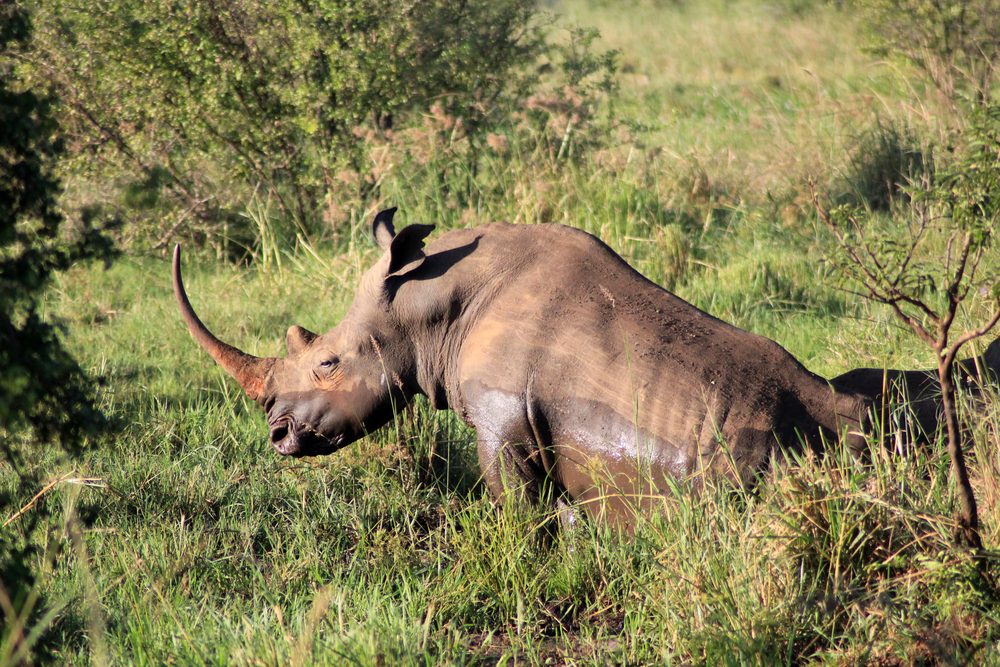
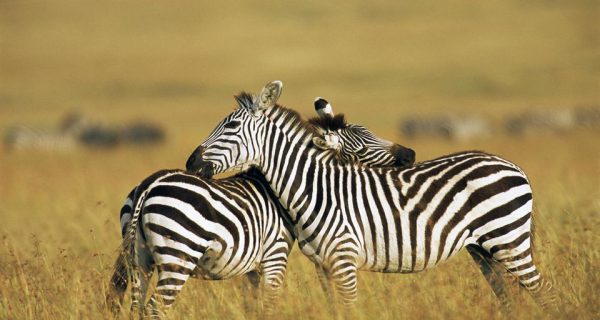
Beyond the Great Migration, Masai Mara National Reserve is home to the Big Five—elephant, lion, leopard, rhino and buffalo—as well as serval, hyenas, bat-eared foxes, and black-backed and side-striped jackals. The Mara Triangle is also home to baboons, crocodiles, hippos, warthogs, elands, Thomson’s gazelles, Grant’s gazelles, waterbucks, impalas, oribis, reed-bucks, zebras among others.
The migrating herds arrive in Masai Mara National Reserve in August and stay up to mid-October. On the Maasai Mara Wildebeest Migration safari, you have an opportunity to witness the nerve-wracking Mara River Crossing. The animals are crossing the dangerous Mara River in herds of thousands of animals in order to find fresh grass on the other side. Nile crocodiles are already waiting in the waters, as well as predators like leopards, lions, cheetahs and wild dogs waiting to pounce on the herds for prey.
Safety for both animals and visitors is very paramount in Masai Mara National Reserve; that is why rules and regulations are in place as discussed below.
Park Rules and Driving Etiquette
Stay on designated tracks at all times
- Vehicles must remain on established roads and tracks
- Off-road driving is prohibited inside the national reserve
- Tracks are designed to minimize erosion and habitat damage
Leaving Tracks
If you leave the demarcated tracks inside Maasai Mara, it results into the following:
- Damaging the fragile grasslands
- Encouraging illegal shortcuts
Driving off-track can result in fines or expulsion for safari drivers as well as the tour company.
Right of way and sighting etiquette
At wildlife sightings
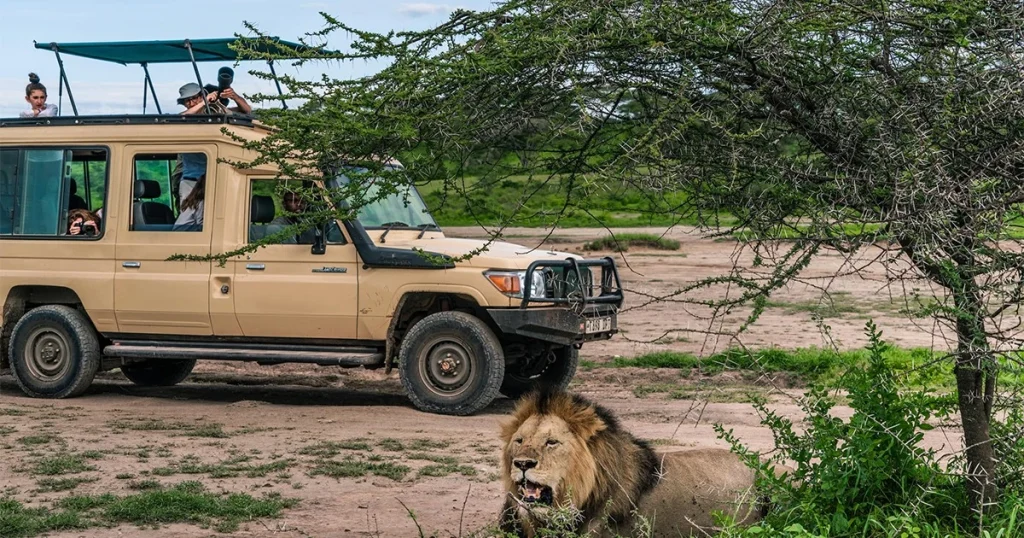
- Do not block other vehicles
- Avoid boxing the animals with your safari vehicles
- Limit the number of vehicles surrounding a sighting
- Yield space when another vehicle has been waiting longer.
Good etiquette at the wildlife sighting point improves sightings for everyone and reduces stress on animals.
Speed Limits: Slow driving matters and here is why
Official speed limits
- Generally, 40 km/h or less while inside the reserve
- Lower speeds near wildlife, rivers and wildlife crossings
Why speed limits exist in Maasai Mara National Reserve
- Often wildlife crosses track unexpectedly
- Dust affects visibility and animal behavior
- Speed increases erosion and road damage
Excessive speeds is one of the most common causes of accidents in Masai Mara National Reserve.
Wildlife Distance Guidelines
Minimum safe distances
- Large mammals especially elephants and buffaloes, maintain wide clearance
- Predators (lions, cheetahs, leopards), do not crowd or encircle them
- Never block an animal’s direction of movement
Behavioral warning signs to watch for
- Elephants flapping ears, mock charging
- Lions or buffalo staring directly at vehicles
- Sudden silence or alarm calls from wildlife regardless of the species
When animals change behavior because of the vehicle, it means you are too close.
Night Driving Rules
In the main Maasai Mara National Reserve night game drives are not allowed and driving is only restricted to daylight hours
Why Night Game Drives are Prohibited.
- To protect the nocturnal species
- Reduces disturbing the predators during hunting at night
- Improves visitor safety
Night games in the Mara are permitted in some of the Masai Mara conservancies, but not inside the national reserve itself.
Vehicle Conduct and Passenger Safety
Inside the Safari Vehicles
- Remain seated unless your guide allows standing through a pop-up roof
- Never sit on vehicle edges or doors
- Keep limbs inside the vehicle at all times.
Outside the Safari Vehicles
- Exit vehicles only at designated picnic sites or gates
- Never walk freely in the bush
- Follow guide instructions without exception
Emergency Protocols: What Happens if Something Goes Wrong
In case of wildlife encounters
- Stay inside the vehicle
- Follow guide instructions calmly
- Do not shout, run, or attempt to scare the animals
In case of vehicle breakdown
- Remain inside your safari vehicle
- The guide should contact ranger services or camp support
- Assistance is coordinated through reserve networks
Medical Emergencies
- Guides always carry basic first-aid kits
- Serious cases trigger evacuation procedures
- Air evacuations are possible when required
Professional safari operators maintain radio or mobile communication with camps and rangers at all times.
Ranger Authority and Enforcement
Rangers and reserve officials have the authority to.
- All safari vehicles entering the reserve
- Enforce speed and behavior rules
- Issue penalties; it is to protect the ecosystem and visitors alike.
Why rules and regulations in Masai Mara National Reserve exist
Masai Mara National Reserve supports
- High wildlife densities
- Thousands of visitors annually
- Sensitive grassland and river systems
Without firm rules:
- The animal behavior in the reserve would degrade
- Accidents would increase
- The safari experience would decline
Because of the enforced rules and regulations, Masai Mara National Reserve and its Kenya safari experience remain exceptional.
Common Mistakes to Avoid as visitors
- Encouraging off-road shortcuts
- Underestimating animal speed and strength
- Treating wildlife as predictable or tame
Respectful behavior consistently leads to better sightings and safer experiences.
The rules and regulations in Masai Mara are entrenched in discipline, respect and professional guiding.
They are not obstacles to enjoying your Masai Mara safari experience; they are just the reasons why the Mara remains one of the world’s finest wildlife destinations.
Visitors who understand, respect and follow these rules and regulations not only have a safe safari experience but also contribute directly to conservation and ethical tourism.