How to Get a Tourist Entry Visa for Kenya? | Where the Journey Really Begins
How to Get a Tourist Entry Visa for Kenya? For most people, a trip to Kenya does not start at the airport. It usually starts in small, random moments. Maybe you’re on your phone late at night, scrolling without even planning to book anything, then you come across a photo of the Maasai Mara National Reserve. You enjoy the scene of an open land, animals moving freely, no fences, just freedom in the wild. Then the beauty sticks with you and triggers your wanderlust partially.
Another day, you see a short clip of Diani Beach like the Clear water, white sand, people selling tropical fruits or the canoeing in the ocean. This shows you a completely different pace from city life you are routinely living. Then this arouses you desire to disconnect from the city routine and connect with nature. That’s usually how it begins, not with a plan, just with curiosity.
At first, it doesn’t feel serious, you might even say, “one day.” Then slowly, things shift and there you are checking flight prices just to see. You look at a few hotels and, maybe, you send a link to a friend. Before you realize it, the idea starts becoming something you could actually do.
Online travel planning is a modern trend for many traveller to kenya and other parts of Africa. Nobody is walking into offices anymore to ask about the best destination in kenya, or how to plan a perfect safari.
Then reality steps in, the real mind rush about african Safari journeys. You start asking practical questions like; Do I need a visa? How does it work? Is it complicated? That’s where a lot of people hesitate, not because it’s difficult to put together a perfect safari experience, but because of the unfamiliarity of Kenyan territory.
You figure it out you preferred travel journey by yourself, piece by piece, on your phone or laptop. In the later stage, once every idea is put together, then you can contact the safari DMC/ Local travel operator to smoothen out the kinks in your planning. Sometimes it’s clear, sometimes it’s confusing, especially with different websites saying different things.
But once you understand that first step, what you need to enter the country, it removes a lot of African Safari uncertainities. Your travel plan starts to feel more actual one you get to know the required entry documents to Kenya.
The Global Shift to a Digital System
Forced by the global shift to digital systems, Kenya has moved away from the traditional visa system that many travelers were used to. Just a few years back, getting a visa often meant dealing with physical paperwork or receiving a sticker placed directly into your passport upon arrival at jomo kenyatta international airport.
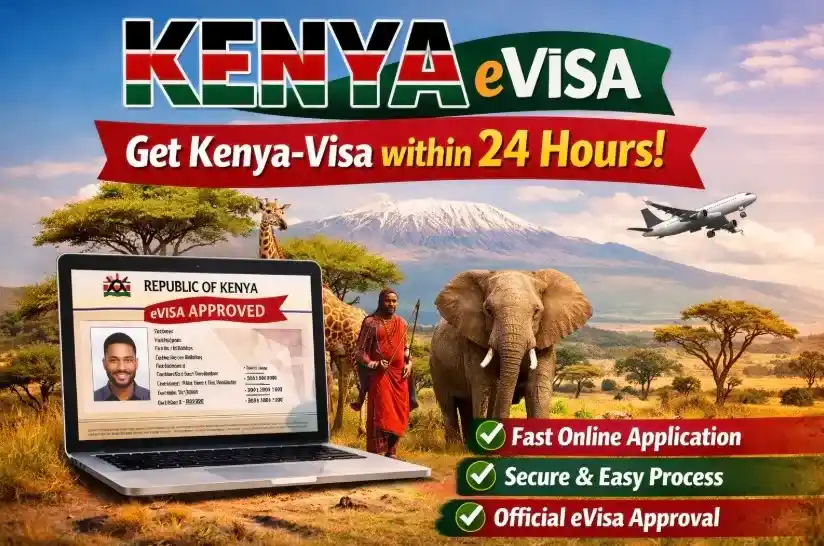
Today, that process has been replaced by a digital system known as the Electronic Travel Authorization, or eTA. What a relief from paper document ques and waiting?
This change reflects a broader Travel shift happening across many countries. Governments are simplifying entry processes by moving them online due to the digital transformation movement.
For Kenya, this has made a noticeable difference, especially at busy entry points. Instead of long queues where travelers fill out forms after landing, much of the work is done before the journey even begins.
The eTA works as a pre-approval system to allow you enjoy your kenyan safari. You submit your details online, and once approved, you are cleared to travel. Airlines will often check the Kenyan eTA details before allowing you to board your flight. This means that by the time you arrive in Kenya, most of the formalities have already been handled.
For travelers, the kenyan electronic visa digital shift reduces African safari uncertainty. There is no need to worry about whether you will be granted entry after a long flight. You already know your status before you leave home.
It also cuts down on time spent standing in lines at immigration desks, especially in busy travel seasons when thousands of visitors arrive each day. So, Bravo Kenya, this it a super move improving tourist experiences.
Why the Change Matters
The introduction of the kenyan eTA system was not just about modernizing the process only, it was also about solving real challenges. Airports such as Jomo Kenyatta International Airport handle a large number of travelers every day who come for business, others vacations, others safaris et cetera.
The airports are under manageable pressure from tourism especially during peak tourist seasons like July to October, when visitors come to witness the Great Migration.
Before the digital system, long queues for visa were common during the peak safari season. Travelers would land after long flights, only to spend additional time filling out forms and waiting for visa processing. This often led to delays, confusion, and unnecessary stress, especially for first-time visitors.
By introducing the eTA, Kenyan authorities can now review traveler information in advance. This allows them to manage arrivals more efficiently and focus on security without slowing down the entire process. It also helps identify any issues early in the travel planning process, rather than dealing with them at the airport.
For travelers, the benefit is simple but significant. You spend less time dealing with paperwork and more time moving forward with your journey. Whether you’re heading straight into Nairobi or connecting to a safari destination, the process feels smoother and more predictable.
This change also aligns Kenya with global travel practices. Many countries now use similar systems, making it easier for international travelers who are already familiar with digital entry processes.
When to Apply to apply for the Kenyan eTA/ Tourist visa
Timing plays an important role when applying for your travel authorization. While the system is generally quick, it’s not something you should leave until the last minute. Many travelers assume they can apply a day or two before departure and still receive approval in time. While that sometimes works, it also carries unnecessary risk.
A safer approach is to apply at least one week before your travel date. This gives enough time for processing, even if there are delays. During busy periods, such as school holidays or peak safari seasons, applications may take longer due to higher demand.
There are also situations where additional checks may be required. For example, if there is an issue with your documents or if something in your application needs clarification, processing could take longer than expected. Applying early gives you time to correct any mistakes without affecting your travel plans.
From a practical standpoint, early application also brings peace of mind. Instead of worrying about approval while packing or heading to the airport, you already know everything is in order. This allows you to focus on preparing for your trip rather than dealing with last-minute stress.
Getting Your Documents Ready
Before starting your application, it helps to take a few minutes to gather all the required documents. This may seem like a small step, but it can save a lot of time and frustration once you begin filling out the form.
- The most important document is your passport. It must be valid for at least six months beyond your intended stay in Kenya. This is a strict requirement, and applications may be rejected if the passport does not meet this condition. It’s always worth double-checking the expiry date before proceeding.
- You will also need a clear photograph. Many travelers simply take a photo at home using their phone. The key is good lighting and a plain background. Avoid wearing hats or sunglasses, as your face must be clearly visible.
- Flight details are another requirement. In most cases, only your main international flight into Kenya is needed. If you have connecting domestic flights, those are not as important for the application.
- Finally, you’ll need to provide accommodation details. This could be a hotel booking, a lodge reservation, or even the address of someone you’re staying with. Having these documents ready before you start ensures the process moves smoothly without interruptions.
Filling in the Application
Once you begin the application, you’ll notice that the form is straightforward. It asks for basic information that most travelers already have on hand. This includes your personal details, passport information, travel dates, and the purpose of your visit.
Even though the form is simple, it’s important to take your time. Small mistakes can lead to delays. For example, entering the wrong passport number or misspelling your name may require you to correct the application later. These errors are easy to avoid if you move carefully and double-check each section before submitting.
The system may also ask about your travel plans within Kenya. You don’t need to provide a detailed itinerary. A general idea of where you’ll be staying is usually enough.
If your plans change later, it typically doesn’t affect your authorization, as long as your initial information was accurate.
For many travelers, this part of the process feels easier than expected. It doesn’t require technical knowledge or complicated steps. It’s simply a matter of entering your details correctly and ensuring everything matches your official documents.
Taking a few extra minutes to review your answers before submission can make the difference between a smooth process and unnecessary delays during your kenyan eTA document.
Uploading Your Files
Uploading documents is one of the most important parts of the application, and it’s also where many people make mistakes. The system relies on clear, readable files to process your request, so the quality of what you upload matters more than you might think.
Your photograph should also meet basic standards. It should clearly show your face to truly identify who you physically look. A simple photo taken against a plain wall works well. Avoid shadows, filters, or anything that changes your appearance.
Start with your passport scan. The page should be fully visible, with no edges cut off. All details like, your name, photo, passport number, and expiry date, must be easy to read. If the image is blurry or too dark, it may be rejected, which can delay your application for your kenyan tourist online visa.
File format and size can also affect the upload process. Most systems accept common formats like JPG or PDF. If your file is too large, you may need to resize it before uploading.
Paying and Waiting
After completing the application and uploading your documents, the next step is payment. This is done online using a credit or debit card. The process is usually quick, and once payment is confirmed, your visa application is officially submitted for review.
At this stage, there’s nothing more you need to do except wait. For most travelers, approvals are issued within 24 to 72 hours. However, this can vary depending on the volume of applications and whether any additional checks are required.
During this waiting period, it’s important to keep an eye on your email. The approval will be sent there, and in some cases, you may receive requests for additional information. Checking both your inbox and spam folder ensures you don’t miss any important updates.
This part of the process often feels like the longest, even though it’s relatively short. It’s the moment when everything depends on confirmation. Your travel plans are officially moving forward.
About Your Accommodation Details
When filling out your application, you’ll be asked where you plan to stay in Kenya. The Visa application system wants to know that you have a place arranged, at least for the beginning of your trip.
If you’re arriving in Nairobi, you might be staying in a city hotel for your first night before heading to Masaari mara for your African safari. You can provide the name and booking confirmation of that hotel. For example, many travelers choose well-known places like Fairmont The Norfolk because of its central location and long history.
The goal here is not to lock you into a strict plan, but to show that you have a clear starting point for your stay.
Traveling with a Safari Company
Many visitors to Kenya choose to travel with local safari companies, especially if they plan to explore national parks or remote areas. These companies handle much of the logistics, which can make the overall experience easier and more enjoyable.
A typical safari package might include transportation, accommodation, park fees, and guided tours. For example, a trip to the Maasai Mara National Reserve often involves early morning game drives, experienced guides, and stays in lodges or tented camps.
Tour operators can also assist with documentation. They usually provide booking confirmations and itineraries that you can use when applying for your eTA. This is helpful if you’re unsure what details to include.
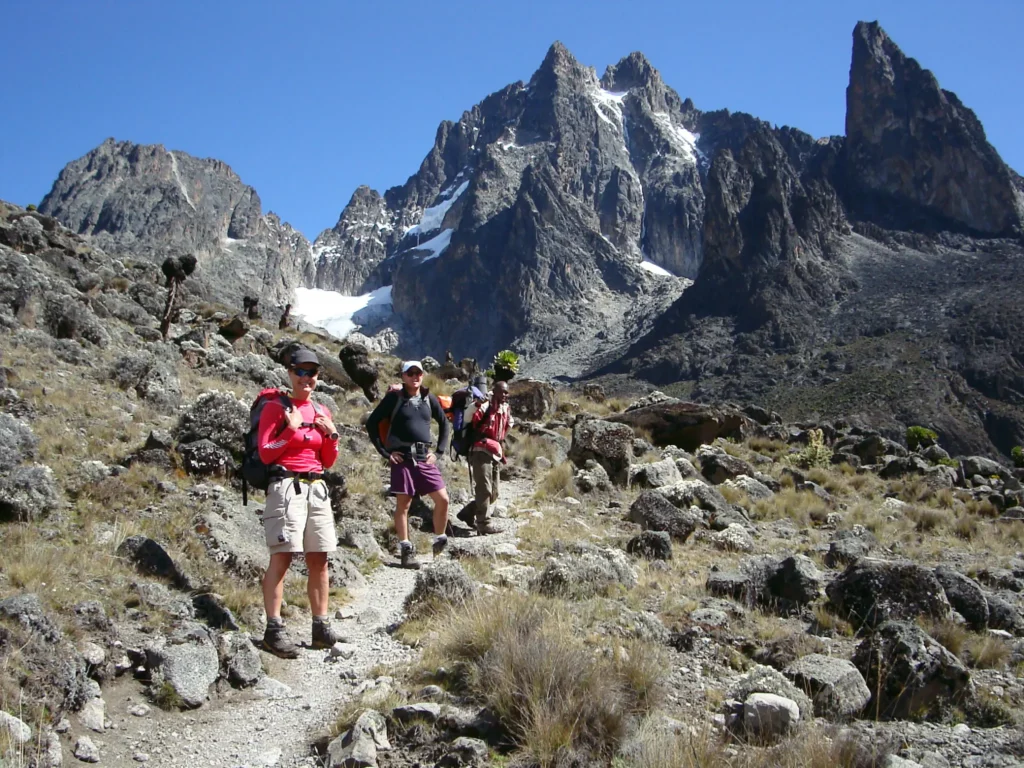
For travelers heading to more remote areas, such as near Mount Kenya, having a local operator is even more valuable. These regions require planning, and local knowledge can make a big difference.
What to Do Next
Once your eTA is approved, you’ll receive it by email. At this point, your entry into Kenya has been authorized, but there are still a few practical steps to take before your trip.
First, save a digital copy on your phone. This ensures you can access it easily at any time, even if you don’t have internet access later. It’s also helpful to store a backup copy in your email or cloud storage.
Second, print a physical copy. While many systems are now fully digital, printed documents are still useful. Airline staff may ask to see proof of your authorization before boarding, and having a paper copy can make this process quicker.
It’s also a good idea to keep your documents organized. Store your passport, printed eTA, and flight details together so you can present them easily when needed.
These small steps may seem minor, but they help ensure a smooth experience from the moment you leave home to the time you arrive in Kenya.
Arriving in Kenya
Arriving in Kenya is often a memorable moment, especially for first-time visitors. After landing, you’ll follow signs to the immigration area, where your documents will be checked.
With the eTA system in place, the process is usually quicker than it was in the past. Officers may ask a few simple questions about your visit, such as how long you plan to stay or where you’ll be going. These are routine questions and nothing to worry about.
At major entry points like Jomo Kenyatta International Airport, the process is generally well-organized. During busy periods, there may still be some waiting time, but having your documents ready helps move things along.
Once your passport is stamped, you’re officially in the country. From there, you proceed to collect your luggage and move toward the exit.
Stepping Outside the Airport
As you step out of the arrivals area, you’re immediately met with a different atmosphere. It’s lively, sometimes a bit busy, but welcoming. You’ll see drivers holding signs, guides waiting for their clients, and families greeting loved ones.
If you’ve arranged transport in advance, your driver will usually be waiting with your name clearly displayed. This is common practice, especially for travelers heading to hotels or starting safari trips.
Outside the airport, the pace of life becomes more visible. In Nairobi, for example, you’ll notice traffic, street vendors, and a mix of modern buildings and local businesses. It’s a first glimpse into everyday life.
Currency exchange services and mobile SIM card vendors are also available at the airport, making it easy to handle basic needs before continuing your journey. This transition, from the controlled environment of the airport to the open city, is often the first real introduction to Kenya.
Common Mistakes That Cause Problems
Even though the process is straightforward, some travelers run into problems that could have been avoided. These issues are usually small, but they can lead to delays or unnecessary stress.
One of the most common mistakes is applying too late. Waiting until the last few days before travel leaves little room for delays. If something goes wrong, there may not be enough time to fix it.
Document quality is also important. Blurry passport scans or unclear photos can slow down the approval process. Taking a few extra minutes to ensure everything is clear can prevent this.
Another issue is using unofficial websites. Some sites charge extra fees while offering the same service as the official platform. This can lead to confusion and higher costs without any added benefit.
Finally, simple errors in personal details, like incorrect passport numbers, can cause complications. Double-checking your information before submission is one of the easiest ways to avoid problems.
All in all, getting permission to enter Kenya is not a complicated process, but it does require attention. Taking the time to apply early, prepare your documents properly, and follow the steps carefully can make a big difference.