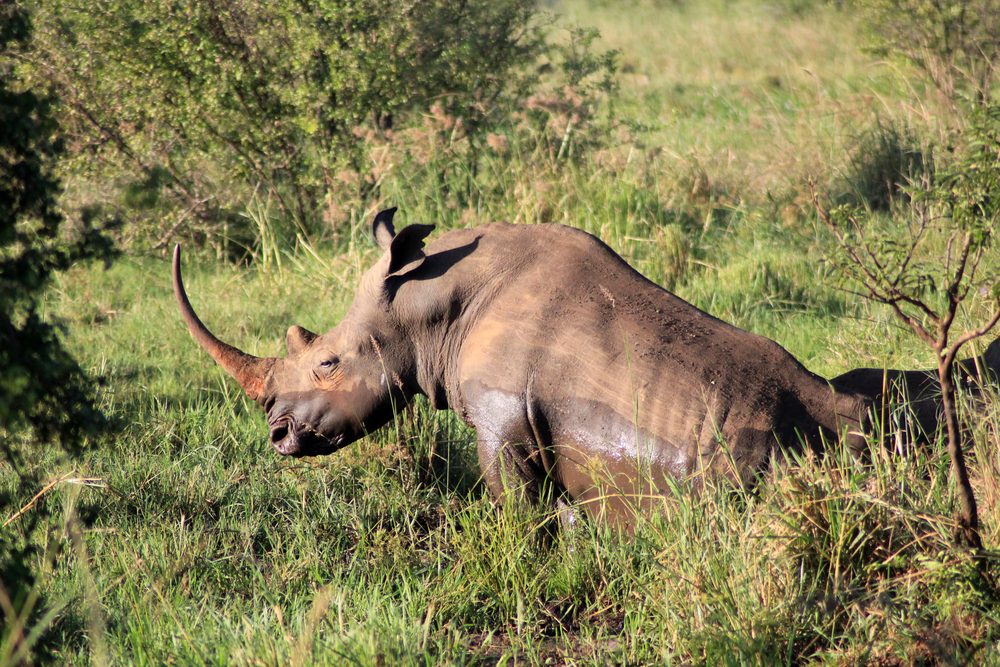
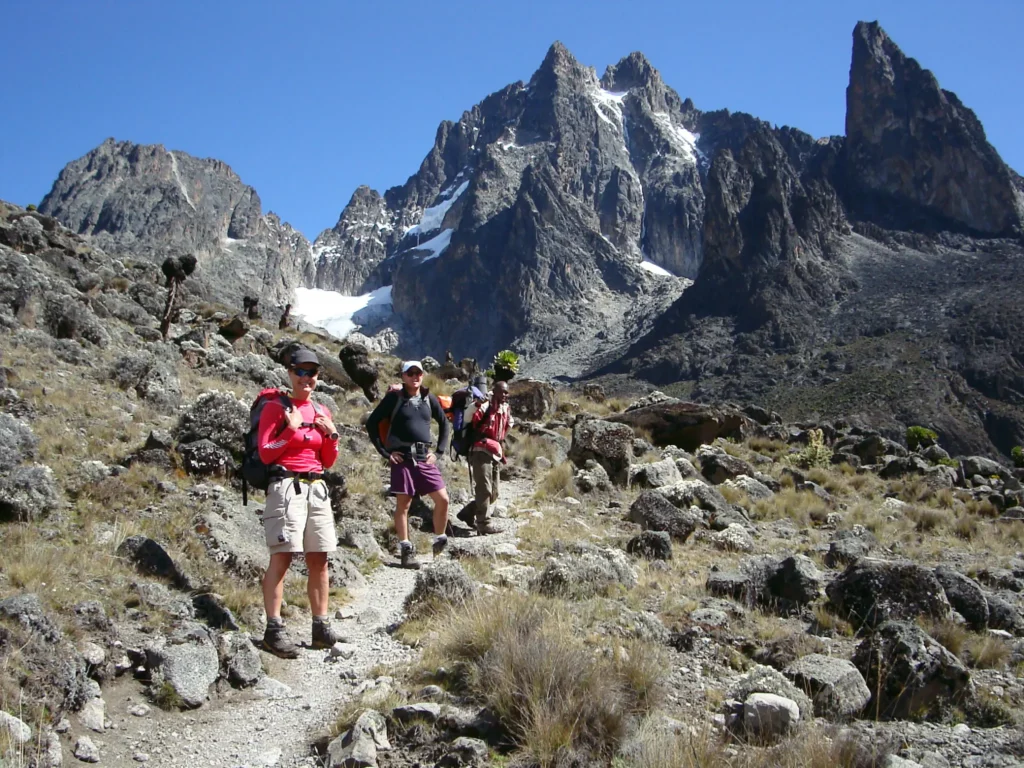
What Makes Amboseli National Park Special? Amboseli National Park, located in Kenya, is one of the most recognizable and breathtaking wildlife parks in Africa. The park was formerly called Maasai Amboseli Game Reserve, located in Loitoktok District in Kajiado County. Spanning over 392.06 square kilometers. The park is renowned for its excellent variety of wildlife, such as Maasai giraffe, elephant, lion, and cheetah, and not surprisingly, it is one of Kenya’s most popular parks. The park is famous for being the best place in Africa to get close to large herds of elephants, among other wildlife species. Other attractions of the park include opportunities to meet the Maasai people and soak up spectacular views of Mount Kilimanjaro, the highest free-standing mountain in the world. Here are some of the key features that make Amboseli National Park stand out.
1. Views of Mount Kilimanjaro
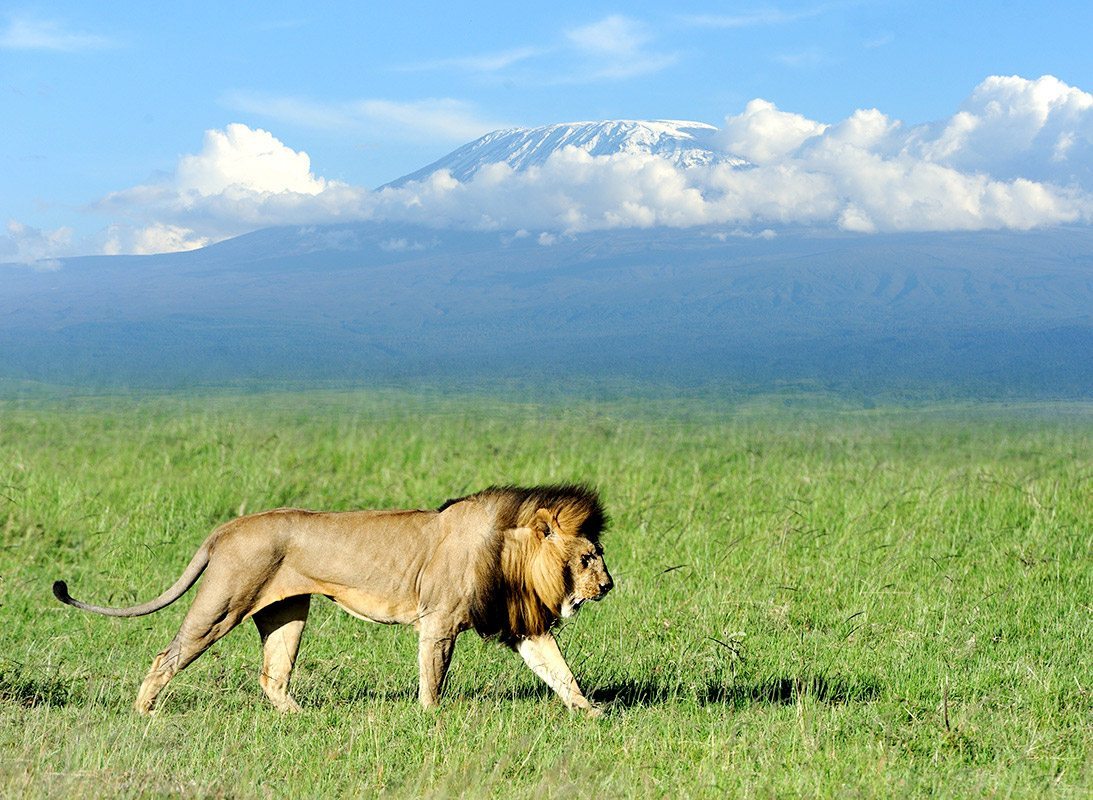
One of the most striking aspects of Amboseli National Park is its proximity to Mount Kilimanjaro, Africa’s highest peak. Mount Kilimanjaro is the tallest mountain on the African continent, rising 5,895 meters above sea level. Mount Kilimanjaro dominates the savannah landscape of Amboseli National Park almost 6 vertical kilometers above, with a large population of big-tusked elephants and many other animals. The backdrop of the mighty mountain hidden in the clouds creates a magnificent scene perfect for photography and sightseeing. The view of this majestic mountain, often capped with snow, provides a stunning backdrop to the park. Many visitors come specifically to capture the breathtaking sights of Kilimanjaro framed by the park’s sprawling savannahs and acacia woodlands. Early mornings and late afternoons offer the best light for photography, making these times ideal for catching the mountains in a golden glow.
2. Magnificent Elephants
Amboseli is famously known for its large elephant herds with over 1000 elephants, including 58 families and independent adult males, close to 300 males. The park is home to one of the highest concentrations of elephants in Africa. These gentle giants roam freely through the park, and visitors often have the chance to observe them up close. These elephants are a major driving force in the ecology of the Amboseli Ecosystem and are closely associated with habitat changes in the Amboseli National Park. The elephants have been the subject of the longest-running elephant study in the world and as a result of the long and close interaction with researchers, Amboseli elephants are approachable, giving visitors excellent opportunities for watching them at close range. The elephants in Amboseli are well-studied, and many of them are recognized by researchers who have tracked their movements and social behaviors over decades. Watching these magnificent animals interact within their family structures is a truly unforgettable experience.
3. Diverse Wildlife in Amboseli National Park
Apart from elephants, Amboseli is home to a remarkable variety of wildlife. It is a home to iconic wildlife, hosting four members of the Big Five, from lions to the graceful zebras and countless numbers of bird species in its swamps and wetlands. Amboseli is celebrated for its exceptional opportunities for close encounters with free-roaming members of the Big Five. The park hosts Masai giraffes. The Masai giraffe is also classified as endangered by IUCN. Visitors can encounter herds of giraffe, hippos, buffalo, zebras, wildebeests, impalas, lions, cheetahs, and spotted hyenas, among others.
4. Birding in Amboseli National Park
The park is also a birdwatcher’s paradise, with over 503 species recorded, of which 17 species are listed by IUCN under critically endangered, endangered, and vulnerable bird species. Some of the bird species you may spot while on a birding safari here include ostriches, egrets, herons, pelicans, steel-blue whydahs, hornbills, African swamp hens, common redshanks, taveta golden weavers, yellow-necked spurfowls, painted dwarf geckos, Sudan mabuyas, graceful chameleons, skinks, African striped skinks, lesser kestrels, Madagascar pond herons, lesser flamingos, and many more. The birdlife in Amboseli is diverse due to the varying habitats. In October-December, when the rains are on or about, the local birds are joined by migrants such as European storks from the Northern Hemisphere, sometimes in fairly large numbers, which makes Amboseli a popular destination for birding safaris. The mix of different ecosystems, including swamps, grasslands, and woodlands, supports this varied wildlife.
5. Lions in Amboseli National Park
Amboseli National Park is one of the best places in Kenya, and even in Africa, to see the famous tree-climbing lions. It might sound surprising or hard to believe, especially for those who haven’t witnessed it before, but seeing these lions lounging in the trees is a real experience in this area known for its giants.
This unusual behavior is quite rare; only two groups of tree-climbing lions are known in the world. Unlike leopards, which sleep lazily in the treetops, a common sight on safari in the bush, this strange behavior exhibited by lions has been the subject of interest and wonder.
You might wonder if lions actually do climb trees and yes, they do! Like big cats, they often find comfort on the tree branches during Kenya game-viewing safaris. With about 100 lions calling Amboseli home, the park offers a unique attraction compared to other wildlife destinations.
6. Cultural Encounters in Amboseli National Park
Another fascinating aspect of Amboseli National Park is its connection with the local Maasai community. The Maasai people have lived in harmony with the wildlife for generations, and their vibrant culture enhances the experience for visitors. Tourists often have the opportunity to learn more about the Maasai cultures, norms, and traditions, including cattle rearing, cultural dances, and drama; interact with the elders; and visit the bomas, schools, and market centers of the Maasai people. These give a new understanding of the human race in Kenya and a desire to make it one’s destination for the tour.
7. Scenic Landscapes in Amboseli National Park
The picturesque landscapes of Amboseli are equally enticing. The park is adorned with vast savanna grassland, acacia woodland, rocky thornbush, swamps, and marshland and covers part of a Pleistocene lake basin. Within this basin is a temporary lake, Amboseli, that floods during heavy rainy seasons, thus attracting flamingos. The lake is characterized by very alkaline water but is usually extremely dry and dusty during the hot and dry season, weather that characterizes the Amboseli ecosystem most of the year. This lake is situated in the Nyiri Desert, which expands towards the southern border of Kenya and Tanzania, covering Amboseli National Park. Visitors can enjoy game drives, walking safaris, and birdwatching while taking in these stunning views. The diversity of the landscapes provides numerous opportunities for exploration and appreciation of nature.
8. A Destination for All
Whether you are an adventure seeker, a wildlife enthusiast, or someone looking to relax amidst nature, Amboseli National Park has something for everyone. Amboseli National Park is strategically situated 140 kilometers south of Nairobi, the capital city of Kenya, which makes it a favorable point of most Kenya safaris. The park stretches to the border of Kenya and Tanzania at Kajiado County and neighbors other grand Kenya wildlife destinations such as Tsavo West and Tsavo East National Parks. The park offers various activities, such as guided game drives, nature walks, and bird watching. Accommodations range from luxury lodges to eco-friendly camps, catering to different tastes and budgets. Look no further while searching for a top-class luxurious destination for pleasure, as Amboseli National Park is your best destination, as the park gives luxury adventures of its attractions.