What is special about Lake Nakuru National Park? Lake Nakuru National Park, which covers an area of 188 square kilometers, was established in 1961 around Lake Nakuru. The park is located close to Nakuru town. It is most famous for its incredible flocks of flamingos—sometimes in thousands or even millions—nesting along the shores. The surface of the shallow lake is often hardly recognizable due to the continually shifting mass of pink. The number of flamingos on the lake varies with water and food conditions and the best vantage point is from Baboon Cliff. Additionally, there is a fenced-off area of 188 km around the lake that serves as a sanctuary to protect giraffes as well as black and white rhinos. Here’s a closer look at what makes Lake Nakuru National Park a truly special destination.
The Jewel of the Great Rift Valley
Lake Nakuru is one of the soda lakes found in the East African Rift Valley. Its location is significant not only for its stunning views but also for its ecological value. The park sits at an altitude of about 1,754 meters (5,750 feet), and the surrounding landscape is characterized by dramatic cliffs, rolling hills, and lush vegetation. The lake itself, glimmering with shades of blue and green, creates a spellbinding panorama that captivates visitors.
Flamingo Paradise
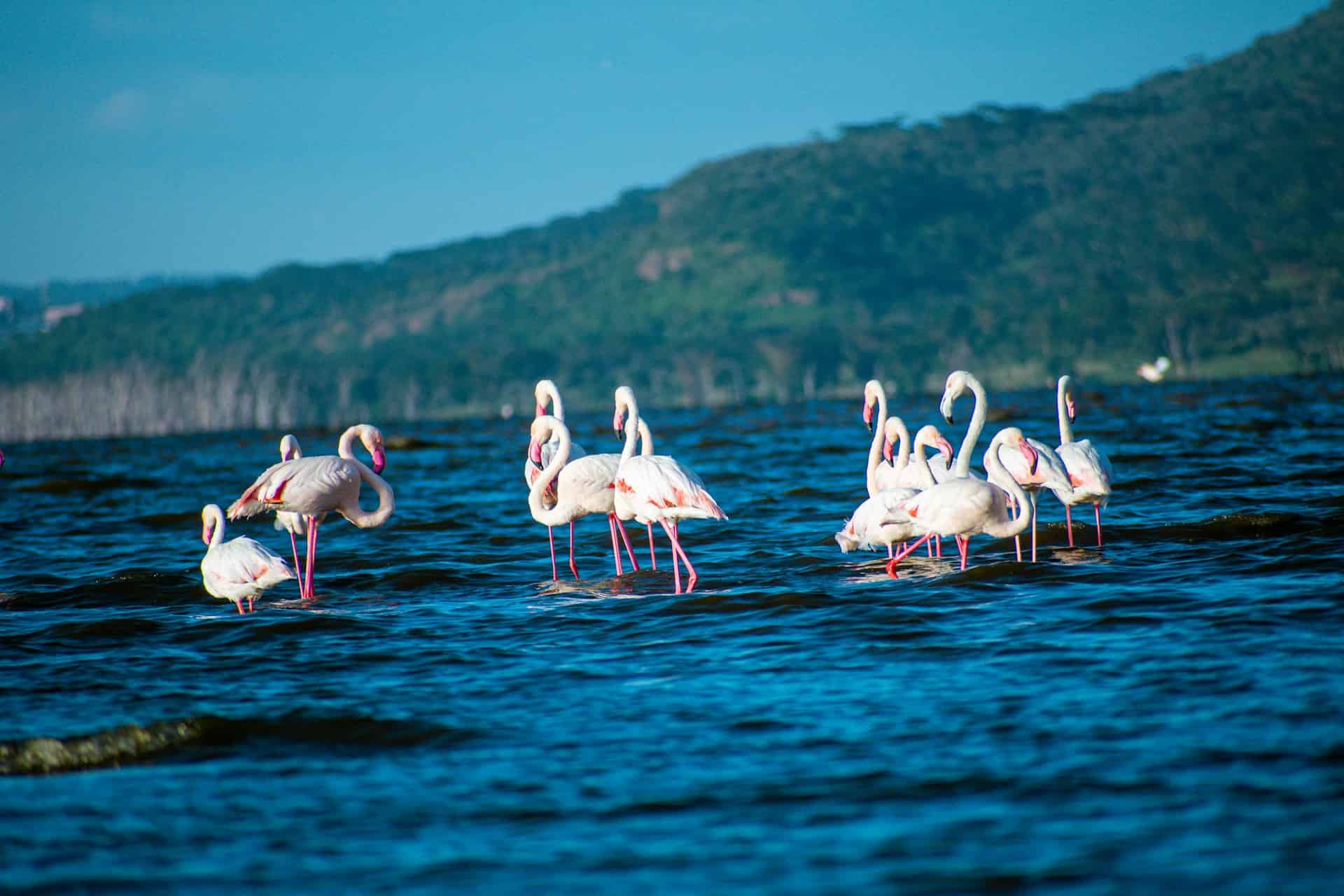
One of the park’s most iconic features is its flamingo population. Lake Nakuru has long been known for its vibrant flocks of lesser and greater flamingos that arrive in droves to feed on the abundant algae found in the lake. Millions of flamingos stay on this lake, making the lake look pink almost all the time; hence the nickname “Pink Lake,” because the flamingos are the most prominent creatures on the lake. The flamingos are among the most special attractions of Lake Nakuru National Park and they’re one thing tourists are excited to see on their visit to the park. It is estimated that at a given time, Lake Nakuru can host over a million flamingos, meaning you can never miss seeing them on your visit. The flamingos on Lake Nakuru are of both the lesser and greater types, with the lesser type tending to be more numerous than the greater. While the number of these pink birds can vary from year to year depending on water levels and food availability, their presence is a dazzling sight and a highlight for many visitors. The spectacle of thousands of flamingos wading gracefully along the lake’s shores is one of nature’s most enchanting displays.
Birdwatcher’s Haven
In addition to flamingos, Lake Nakuru National Park is home to over 450 species of birds, making it a paradise for birdwatchers and nature enthusiasts. Whether you’re an experienced birdwatcher or a casual observer, the diversity of birdlife provides endless excitement. Some notable species include the African fish eagle, mountain buzzard, pelican, eagles, secretary bird, osprey, African paradise-flycatcher, White-necked Raven, Cape Crow, White-rumped Shrike, Long-tailed Fiscal, Grey-headed Bush-shrike, Tropical Boubou, White-crested Helmet-shrike, Grey-crested Helmet-shrike, Von Erlanger’s Batis, Red-fronted Parrot, Lanner Falcon, Greater Kestrel, African Pygmy Kingfisher, Pied Kingfisher, Rufous-crowned Roller, White-throated Bee-eater, Olive Bee-eater, Red-and-yellow Barbet, White-headed Barbet, Brown-backed Woodpecker, Grey Woodpecker, Yellow-bellied Eremomela, Hunter’s Cisticola, Yellow-breasted Apalis, Moustached Grass Warbler, Fawn-colored Lark, Red-throated Tit, Golden-breasted Bunting, Yellow-crowned Canary, Abyssinian Canary, Red-throated Pipit, Yellow-throated Longclaw, Cape Wagtail, Northern Grey-headed Sparrow, Eastern Paradise Whydah, Crimson-rumped Waxbill, Red-billed Firefinch, Yellow-crowned Bishop, Grey-headed Social Weaver, White-billed Buffalo Weaver, Beautiful Sunbird, Green-headed Sunbird, Eastern Violet-backed Sunbird, and Bare-eyed Thrush, among others.
Rich Natural Scenery
The landscapes surrounding Lake Nakuru are as varied as they are beautiful. From the soaring hills of the park to the acacia woodlands and dry grasslands, the diversity of habitats creates a rich environment for plant and animal life. Not to be missed are the stunning views from viewpoints like Baboon Cliff, where panoramic vistas of the lake and its surroundings create an ideal setting for photography.
Cultural Significance
The area surrounding Lake Nakuru is steeped in cultural history. The park is situated within the Maasai land, with the Maasai people historically living in harmony with the wildlife. The name ‘Maasai’ itself means ‘people who speak Maa.’ The Maasai people are so strong and their language so spirited that many other tribes have abandoned their mother tongues in favor of speaking Maa. This group of people are pastoralists and have a very rich culture and beliefs, have interesting traditional songs and dances, and have ways of living, not forgetting that the Maasai make wonderful pieces of crafts and clothing. Visitors to Lake Nakuru can learn about the local Maasai culture, traditions, and their relationship with nature, enhancing their experience and understanding of the region.
Adventure Activities
For those keen on adventure, Lake Nakuru National Park offers various activities. Game drives are organized, and viewpoints are Lion Hill, Baboon Cliff, and Out of Africa. Visit Makalia waterfalls. Additionally, guided walks provide a closer look at the flora and fauna, as well as an opportunity to learn more about the ecosystems at work. Birdwatching tours can also be arranged for those particularly interested in avian life. Each of these experiences offers a unique perspective of the park’s natural beauty.
Diverse Wildlife
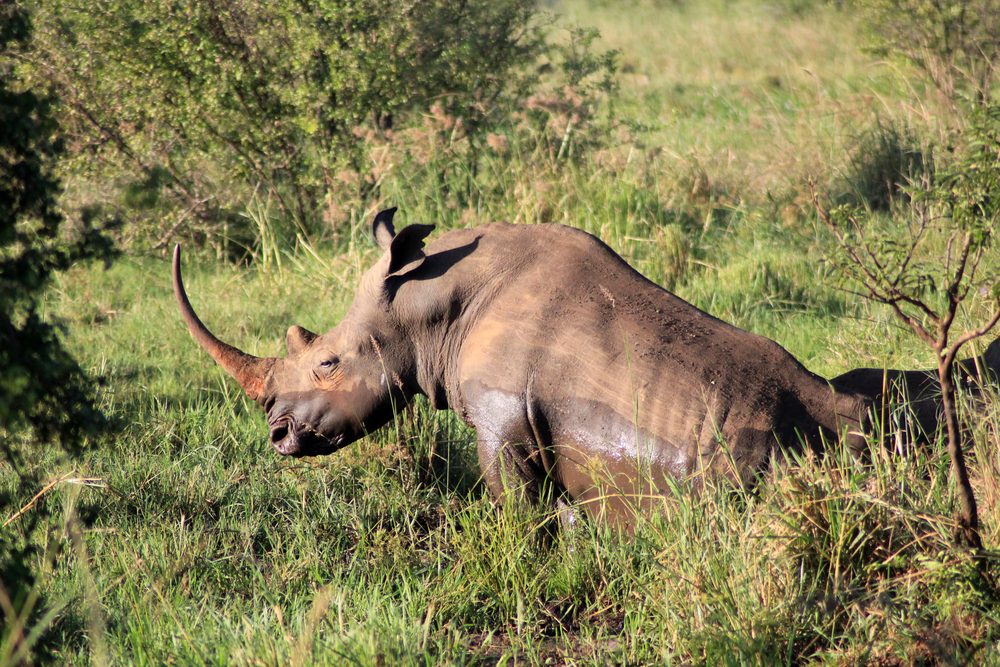
The land surrounding Lake Nakuru is home to a variety of wildlife, especially species found only on the African continent. The park is home to 56 species of mammals, including carnivores such as lions and leopards, as well as buffaloes, warthogs, waterbucks, Thompson’s gazelle, and both black and white rhinos, making it one of the best places in Kenya to view these incredible creatures. Lake Nakuru National Park was declared a sanctuary for the protection of the endangered rhinos, allowing the reintroduction of specimens of both species, black and white.
There have been leopard sightings, and of the rare Rothschild’s giraffe, monkeys, warthogs, cheetahs, hyenas, wildebeest, black-and-white colobus monkeys, vervet monkeys, and olive baboons, among others. Its acacia and euphorbia forests are havens for animals during the heat of the day. The hippo pool allows viewing of that species.
Accessibility and Accommodation
Located just a couple of hours’ drive from Nairobi, Lake Nakuru National Park is easily accessible for both local and international visitors. The park offers several accommodation options, ranging from budget-friendly lodges to upscale hotels. Staying overnight in or near the park allows visitors to experience the tranquility of the wild and enjoy early morning or evening game drives when wildlife is most active.