Ngorongoro crater
One of Tanzania’s unique natural features is the Ngorongoro crater. This u-shaped caldera was formed when an extinct volcano collapsed into itself. The crater is the world’s largest unfilled broken caldera. It hosts the high population of predators and other animals.
This uniqueness of the caldera made it be listed as a UNESCO Heritage site in 1979. It has a biodiversity ecosystem that is rare in the world. It forms part of the world’s oldest ecosystem, theSerengeti ecosystem, which extends up to the Maasai mara national reserve. In the early 2000s, the crater was voted the eighth natural wonder of Africa in Arusha.
Ngorongoro crater is found in the famous Ngorongoro Conservation area. It’s managed by the Ngorongoro conservation Area. The crater measures between 16 and 19 kilometers in diameter; it covers a total land area of 264 square kilometers (103 square miles).
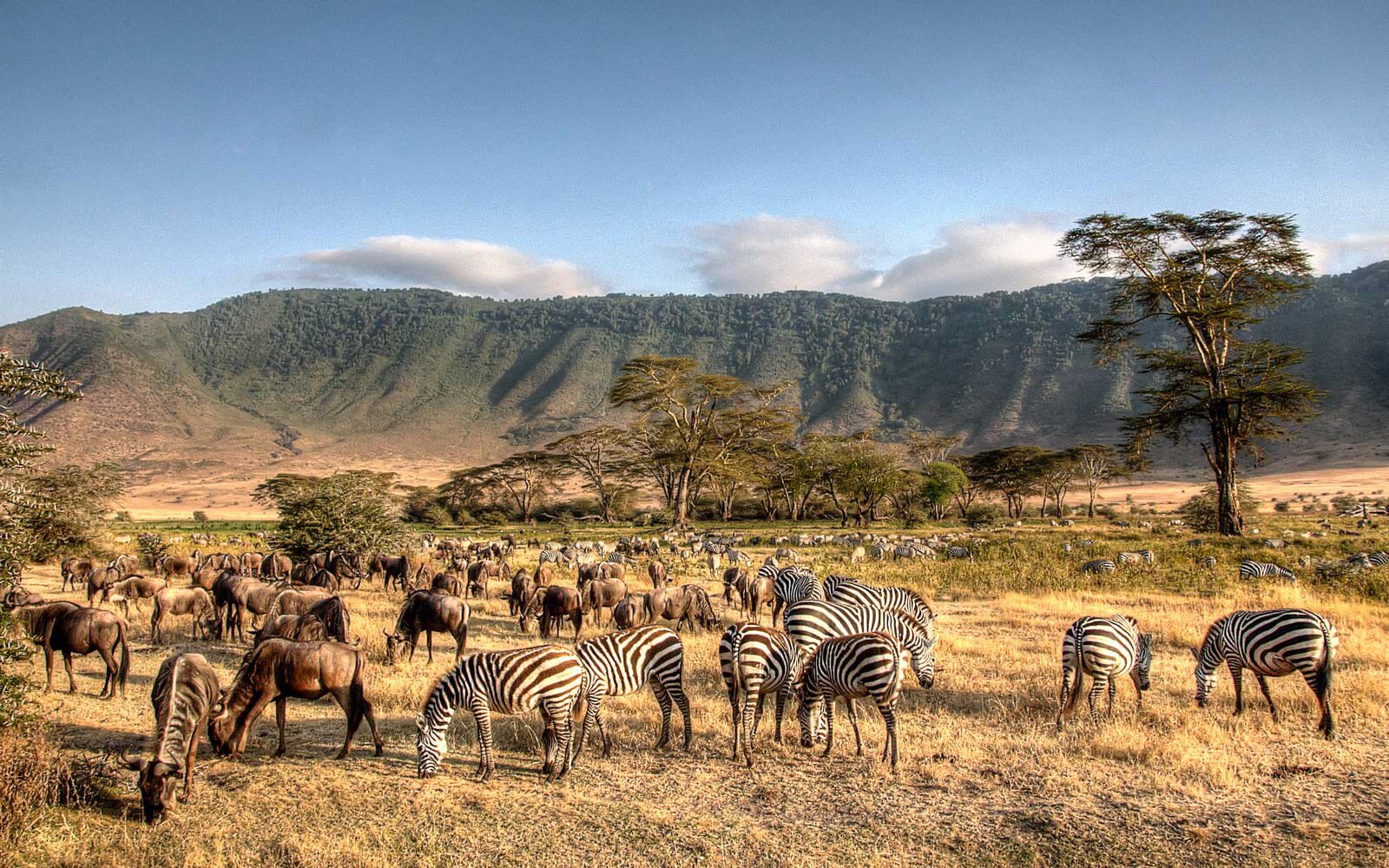
The rims are much raised to almost 2,000 feet, roughly 610 meters above the crater floor. The dominant bamboo forest covers the walls of the Ngorongoro crater. The Ngorongoro crater elevation is 2,286 meters (7,500 feet).
The Ngorongoro was named by the Maasai locals after the cowbell sound “Ngoro ngoro,” which the British combined to make it one word, Ngorongoro. The area has been for years being occupied by the Maasai locals, who replaced the traditional hunters and fruit gatherers who had lived in the place for long. The Maasai pastoralists remain the occupants of the area till now.
Ngorongoro crater is located along the famous Eastern Great Rift Valley in the Northern Tourist circuit. It’s just a 2- to 3-hour drive away from the tourist city of Arusha, covering a distance of 120 kilometers along a good tarmac road. The drive is more scenic as it passes through the local coffee plantations along the valleys of the Great Rift Valley region. You will also pass through the home of tree-climbing lions, which is Lake Manyara national park.
Road access to the park is easy. Nearest town to the park is Karatu, which hosts most of the lodges that are found outside the park. The road that leads to Ngorongoro crater is much more direct and straight till you reach the branching spot; take the only one to the right and leave the one that continues to Tarangire national park.
One can also reach the park by flight, with more domestic flights available from Arusha airport. There are several airstrips located inside the conservation area on which the guests can land.
Ngorongoro Crater remains one of the world’s best tourist destinations that is home to thousands of wildlife. Do you want to see all the African big Five in a short period of time? Ngorongoro Crater is the best destination to visit.
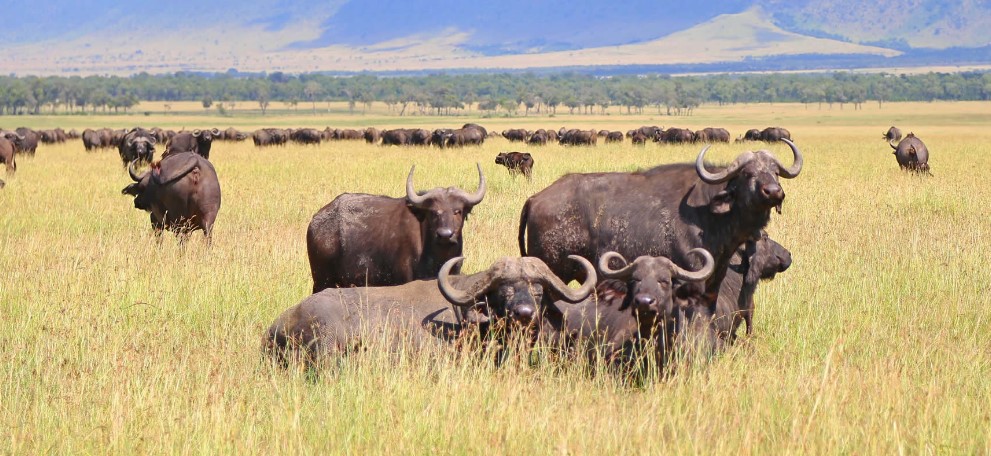
It can be visited any time of the year since all the animals are permanent residents. The park hosts a variety of animals, including big cats (lions and leopards), rare black rhinos, elephants, hyenas, wildebeests, buffaloes, zebras, gazelles, topis, and warthogs, among others. Game viewing is excellent at any time of the year.
Come see the historical site where the remains of the oldest human kid were discovered, which is Olduvai Gorge, the wildebeest migration and many more action-packed adventures in the Ngorongoro Crater Conservation Area. In the conservation area in its Northern part is the delivery ground for the millions of young wildebeests every year. In the early time of the year, Ndutu hosts the calving season of the wildebeest.
This is one of the most remarkable wildebeest migration seasons. Over 1000 calves are born daily and they have to survive the mouths of the predators as all the big cats gather around this area in this period. Ndutui is always where the entire wildebeest migration starts before they proceed to Serengeti as their journey continues clockwise till they enter Masai mara national reserve.
Attractions in Ngorongoro crater
Mammals/Animals
Animals are the dominant attractions in Ngorongoro Crater. The park is regarded as one of the world’s most remote wildernesses with a high population of animals. The crater is famous with the lion populations. It’s one of the small places with a high lion population per capita in the world. The park has all five members of the African big Five (Lions, leopards, Elephants, Rhinos and Buffalo). Other animals at the park include: The Wildebeests, cheetahs, hyenas, bushbabies, Topi, dik-diks, civets, African wildcats, duikers, gazelles, zebras, hippos, crocodiles, Hyrax, impalas, jackals, mongooses, Eland and many more.
Game viewing is done any time of the year due to its favorable climatic conditions. The animals dominate the Ngorongoro national park attractions that attract almost 90% of the travelers to the park.
Birds
The remote location of the park and fewer crowds greatly contribute to the large number of bird species at this Crater. The park is home to over 500 bird species that are easily listed during your trip at the park. Birders call the park one of the little birding paradises due to the good, rewarding birding safaris at the park.
The untapped habitats with quiet environments have made birding one of the key activities done at this park. Even first-time birders will get the guts to do birding after achieving the long birding list within a small period of time.
The park is also found along the migratory routes of most of the European birds; hence, they take the chance to rest at the park before they continue with their journey. Some of the birds on the list include: Starlings, Kestrels, Ostriches, Buzzards, Weaver birds, hornbills, Kingfishers, Herons, Secretary bird. Lovebirds, Doves, common bulbuls, Little egret, hamerkops, open-bill storks, crown cranes and others. Birding is best done during the rainy season, which is from March to May, when birds are breeding.
The crater
The world’s largest broken caldera is one of the unique things that the guests come and view. You will have a chance to have an aerial view of the crater at the crater viewpoint before you descend down to the crater. The home of the different inhabitants has scenic views that attract more. It also has historical attachments, like the remains of the oldest human skull at Olduvai Gorge.
Maasai culture
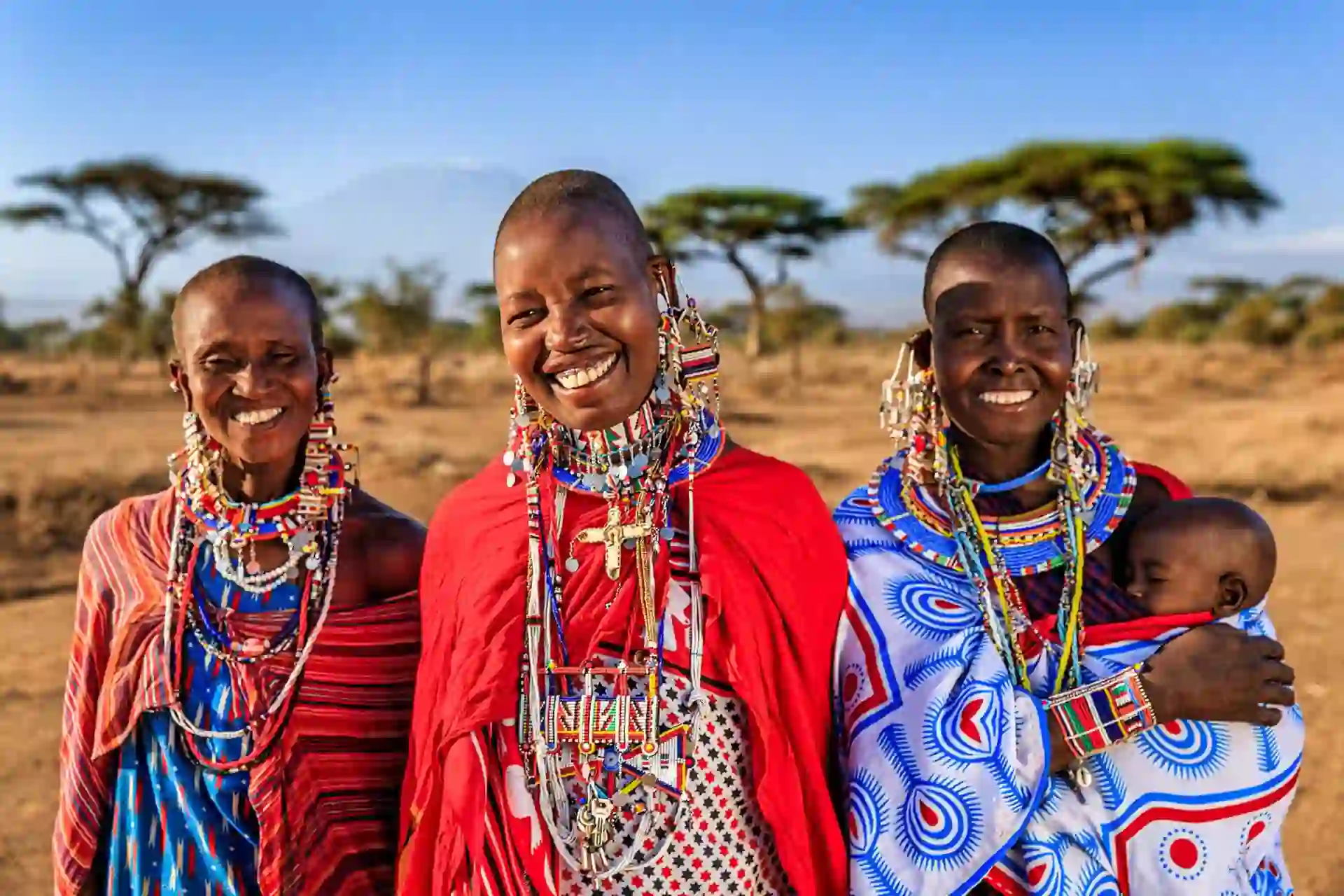
It’s only in this conservation area in the world where humans are allowed to share with wildlife in the protected area. The locals, who were relocated from Serengeti national park was resettled to the conservation area, where to date they live in harmony with wildlife. Visiting Ngorongoro crater gives you an opportunity to explore the unique culture of the Maasai people that are found inside the conservation area. The Maasai culture is the only unique culture that the current modernization of the world has failed to change.
Due to several attractions at the park, guests enjoy a good number of activities at the park like: Game viewing, Birding, Nature walks, Cultural tours, visiting oldupai gorge and many more.